


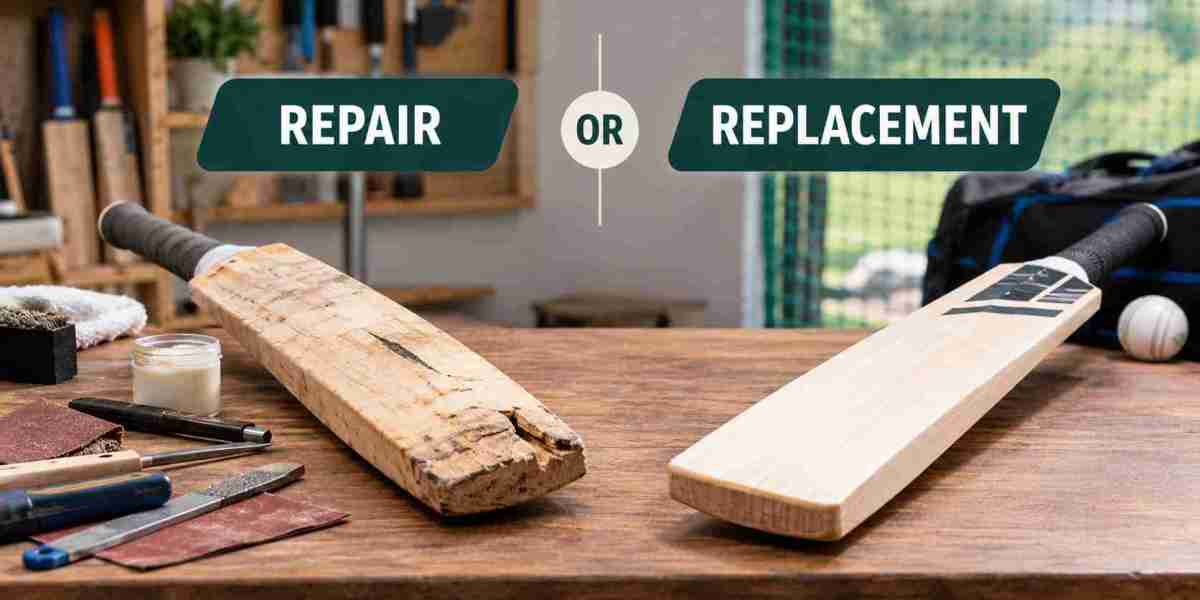
A cricket bat can last for many matches if it is used correctly and maintained well. However, regular practice, powerful shots, hard pitches, and repeated impact with the ball can cause damage over time. You may notice small cracks, a loose handle, a damaged toe, or a change in the bat’s performance.
When this happens, one important question comes to mind: should you repair your existing bat or replace it with a new one?
The right decision depends on the type of damage, the bat’s overall condition, its performance, and the cost of repair. Understanding these factors can help you avoid unnecessary spending and choose the option that suits your playing needs.
When Should You Choose Cricket Bat Repair?
Repair is often a practical option when the damage is limited and the bat remains in good overall condition. Small issues do not always mean that your equipment has reached the end of its useful life.
Here are some common situations where repairing your bat may make sense.
1. Small Cracks on the Bat Face
Small surface cracks can develop after repeated contact with the ball. If the damage is minor and does not affect the bat’s structure, a suitable repair may help prevent the crack from spreading.
However, deep cracks or damage extending through the blade need closer inspection. A repair specialist can assess whether the bat is safe and suitable for continued use.
2. Loose or Damaged Handle
The handle plays an important role in grip, control, and shot execution. If it becomes loose or develops a crack, you may notice unusual vibration or movement while playing.
A damaged handle should not be ignored, particularly if the bat feels unstable during shots. Depending on the extent of the damage, a repair professional may be able to replace or secure the handle.
If the handle is severely damaged or the blade is also affected, replacement may be a better option.
3. Toe Damage
The toe is one of the areas most exposed to moisture, ground contact, and repeated impact. Over time, it can develop cracks, splitting, or other signs of wear.
Minor toe damage may be repaired, and suitable protective measures can help reduce further wear. However, extensive splitting or structural damage may make the bat unsuitable for continued use.
4. Worn Grip and Surface Protection
Not every cricket bats problem requires major repair work. A worn grip, loose binding, or damaged protective covering can often be addressed with a simple maintenance service.
Replacing the grip can improve comfort and control. Checking the binding and protective areas can also help identify problems before they become more serious.
These smaller fixes are generally worth considering when the blade and handle remain structurally sound.
When Is It Better to Replace Your Cricket Bat?
Although repairs can extend the useful life of a bat, they cannot restore every damaged piece of equipment to its original condition. Sometimes, buying a replacement is the more sensible decision.
1. Severe Structural Damage
Deep cracks, extensive splitting, and major damage to the blade can affect the strength of the bat. If the damage extends through important structural areas, a repair may not provide a reliable long-term solution.
A bat that feels unstable or shows signs of serious structural weakness should not be used in competitive matches until it has been assessed.
If the damage is too extensive, replacing the bat is usually the safer choice.
2. Repeated Repairs Are Becoming Expensive
A single repair may cost much less than purchasing a new bat. However, repeated repairs can gradually increase the total expense.
For example, if your bat needs a handle replacement, blade repairs, and additional work within a short period, compare the combined cost with the price of a suitable replacement.
The decision should also consider how long the repaired bat is likely to remain usable. Paying for another repair may not be worthwhile if further problems are already developing.
3. Your Bat No Longer Matches Your Playing Needs
Sometimes, the problem is not physical damage but a change in your requirements.
You may want a different weight, pickup, handle shape, or balance as your playing style develops. A bat that once felt comfortable may no longer provide the control you need.
In this situation, replacing the bat can be a reasonable choice, even if the existing one is still usable. However, make sure the decision is based on your actual playing needs rather than the assumption that every older bat needs replacement.
Cricket Bat Repair vs Replacement: Key Differences
The following comparison can help you understand which option may suit your situation.
| Factor | Repair | Replacement |
|---|---|---|
| Small surface cracks | Often worth considering after inspection | Usually unnecessary if damage is minor |
| Loose handle | May be repairable | Better when damage is extensive |
| Minor toe damage | May be suitable | Consider if the blade is badly split |
| Severe blade damage | May not provide a reliable solution | Often the better choice |
| Overall cost | Usually lower for minor repairs | Higher initial expense |
| Change in playing requirements | May not address the issue | Allows you to choose a different bat |
These are general guidelines rather than fixed rules. The actual decision depends on the bat’s construction, the location of the damage, and the quality of the repair.
How Can Cricket Bat Repair Services Help?
Professional cricket bat repair services can help identify damage and determine whether repairing the bat is worthwhile. Instead of judging the condition only by its appearance, a specialist can inspect the blade, handle, toe, and other important areas.
Depending on the damage, available services may include:
Repairing suitable cracks in the blade.
Handle replacement or repair.
Toe and shoulder repairs.
Binding and grip replacement.
Bat oiling, refacing, and other maintenance work where appropriate.
Checking balance, pickup, and overall condition after repair.
Not every bat is suitable for every repair. Before approving the work, ask what needs to be repaired, whether the bat can remain usable, and how the cost compares with buying another one.
It is also important to understand that a repaired bat may not perform exactly like it did when new. Repair quality and the original extent of the damage can affect the result.
How to Make the Right Decision
Before choosing between repair and replacement, follow these practical steps.
1. Identify the damage: Check whether the issue involves the grip, handle, toe, or blade. Avoid applying excessive pressure to a damaged area to test its strength.
2. Get a professional assessment: If you are unsure about the severity of a crack or handle problem, ask a repair specialist to inspect it.
3. Compare the total cost: Consider the repair charge alongside the cost of a suitable replacement. Also think about the likely usefulness of the bat after repair.
4. Consider your playing level: A casual player may be comfortable repairing a bat with minor damage. A player who regularly participates in competitive matches may need to consider reliability and performance more carefully.
5. Review its performance: If the bat has lost its balance, feels unstable, or has major structural damage, do not assume that a basic repair will solve every problem.
How Can You Make Your Cricket Bat Last Longer?
Good maintenance can reduce avoidable damage and help you get more use from your equipment.
Store the bat in a dry place away from excessive moisture and heat.
Avoid leaving it on wet ground for long periods.
Use appropriate toe protection when suitable for the bat and playing conditions.
Check the handle, grip, and blade regularly for visible damage.
Follow suitable knocking-in and maintenance recommendations for your particular bat.
Avoid using the bat for purposes it was not designed for.
These habits cannot prevent every crack or break, but they can help you identify problems early and maintain your equipment properly.
Final Thought
Choosing between cricket bat repair and replacement depends on the severity of the damage, the cost involved, and how well the bat meets your playing requirements.
Minor cracks, worn grips, loose binding, and certain handle or toe problems may be repairable. Severe structural damage, repeated repair expenses, or a bat that no longer suits your needs may make replacement the more practical option.
The best approach is to assess the condition first, compare the available options, and avoid spending money on repairs that are unlikely to provide lasting value. A well-maintained bat and timely attention to damage can help you make better decisions about your cricket equipment.



