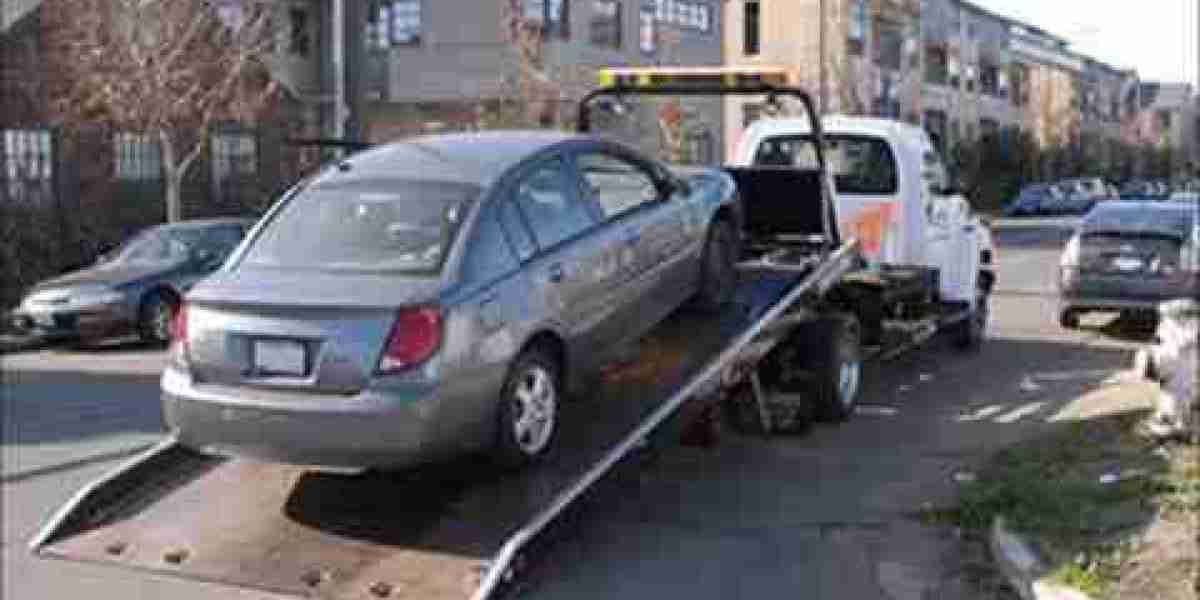
Getting stuck in an underground car park can be frustrating, especially when your vehicle refuses to start or move. Unlike an open road, basement parking areas have narrow lanes, low ceilings, sharp turns, and limited space. These conditions make car towing more difficult than a normal roadside recovery.
Sometimes, a dead battery is the only problem, and a jump start may help you get moving again. However, when the car has mechanical problems or locked wheels, professional help becomes necessary.
Understanding how towing experts handle these situations can help you avoid vehicle damage, save time, and make better decisions during a breakdown.
Why Underground Parking Makes Car Towing Difficult
Underground parking areas are designed mainly for everyday passenger vehicles. They are not always suitable for large recovery trucks.
When a car breaks down inside one of these areas, towing operators must consider the available space before moving the vehicle.
Low Ceiling Heights
Many basement parking areas have height restrictions that prevent standard tow trucks from entering.
A large flatbed truck may be too tall to pass under the entrance or overhead pipes.
Professional towing operators must check the available clearance before selecting suitable equipment.
Narrow Driving Lanes
Underground parking areas often have narrow driving lanes with cars parked on both sides.
This leaves very little room for recovery vehicles to turn or position themselves.
Sharp Corners and Steep Ramps
Tight corners and steep exit ramps can make vehicle recovery more challenging.
A vehicle being moved on wheel dollies may need special care when approaching slopes or uneven surfaces.
Why Planning Matters Before Recovery
Before beginning car towing, experienced operators examine the parking layout, entrance height, available turning space, and vehicle condition.
This helps them choose a safe recovery method instead of risking damage to nearby cars or the building.
Common Reasons Cars Get Stuck in Underground Parking
Vehicles can become stuck for several reasons. Some problems are simple, while others require workshop repairs.
Dead or Weak Car Battery
A weak battery is one of the most common reasons a parked vehicle refuses to start.
Leaving interior lights on or not using the car for several days can drain the battery.
In many cases, a jump start may restore enough power to start the engine.
However, the battery should still be checked if the problem happens repeatedly.
Mechanical Problems
A damaged starter motor, transmission fault, or other mechanical issue can leave a vehicle unable to move.
In these situations, battery assistance may not solve the problem.
Locked Wheels or Parking Brakes
Some vehicles develop problems with their parking brakes or electronic controls.
If the wheels cannot turn, the car cannot simply be pushed out of its parking space.
Flat Tires or Suspension Damage
A severely damaged tire or broken suspension part can make moving the vehicle unsafe.
Professional car towing may be needed to prevent further damage.
How Professionals Recover Cars From Tight Parking Spaces
Recovering a vehicle from an underground parking area requires the right equipment and a careful plan.
Using Low-Height Recovery Vehicles
Some towing providers use specially designed recovery trucks that can enter spaces with limited overhead clearance.
These vehicles may be able to reach areas where a standard tow truck cannot fit.
However, the operator must confirm the actual height and turning space before entering.
Using Wheel Dollies
Wheel dollies are small platforms placed under vehicle wheels.
They allow a car to be moved without relying on its engine or without forcing locked wheels to roll.
These tools can be useful when the vehicle is stuck between parked cars or close to a wall.
Moving the Car to an Open Area
Sometimes, the safest method is to move the vehicle carefully from the basement to a suitable outdoor loading area.
Once outside, a larger tow truck may transport it to a repair workshop.
Why Flatbed Loading May Happen Outside
A flatbed truck requires space to lower its loading platform and secure the vehicle.
When a parking basement does not have enough height or room, loading outside may be safer.
Professional car towing teams choose a method based on the vehicle's condition and the manufacturer's towing instructions.
Can a Jump Start Help a Car Stuck Underground?
Not every underground parking breakdown requires a tow truck.
If the car refuses to start because of a discharged battery, restoring power may solve the immediate problem.
When Battery Assistance May Work
A jump start may help when:
The engine does not crank because the battery is weak.
Interior lights were accidentally left on.
The vehicle has been parked for a long period.
The battery is discharged but otherwise safe to use.
However, the correct starting procedure should always follow the vehicle manufacturer's instructions.
Why Underground Spaces Need Extra Safety Care
Basement parking areas may have limited ventilation.
Running a petrol or diesel engine in a poorly ventilated enclosed area can allow harmful exhaust gases to build up.
Do not leave an engine running unnecessarily. Follow building rules, and move the vehicle into fresh air as soon as it can be done safely.
When Battery Assistance Is Not Enough
If the engine still refuses to start or the vehicle has a serious mechanical problem, repeated starting attempts may not help.
A jump start cannot repair damaged brakes, a faulty starter motor, or broken suspension parts.
Professional inspection or recovery may be necessary.
What to Do When Your Car Breaks Down Underground
Knowing what to do can make a stressful situation easier to manage.
1. Stay Calm and Check the Vehicle
Look for basic warning signs such as dashboard lights, unusual sounds, or a flat tire.
Avoid repeatedly trying to start the engine if you notice smoke, overheating, or other serious problems.
2. Check the Parking Area's Height Limit
Look for the height restriction displayed near the entrance.
This information is important when arranging car towing because it helps the operator select a suitable recovery vehicle.
3. Inform Parking Management
If your vehicle is blocking a driving lane or parking entrance, contact building security or parking management.
They may help control traffic and provide access to the recovery team.
4. Explain the Problem Clearly
When contacting roadside assistance, explain whether the engine starts, whether the wheels can turn, and where the car is parked.
Mention narrow ramps, low ceilings, access gates, and any other obstacles.
5. Do Not Force the Vehicle to Move
Trying to pull a vehicle using unsuitable ropes or another car can damage its body, transmission, or suspension.
It may also create a risk for people and nearby parked vehicles.
Let trained operators decide how the vehicle should be moved.
Why Professional Car Towing Helps Prevent Damage
Moving a vehicle in a tight space requires more than simply attaching a towing hook.
Professional operators consider the surrounding vehicles, building structure, and condition of the car.
Protecting Nearby Vehicles
Underground parking spaces often leave very little distance between cars.
Careful positioning and controlled movement help reduce the risk of scratches, dents, or collisions.
Preventing Damage to the Vehicle
Incorrect towing methods can damage tires, steering parts, and transmission components.
Professionals use equipment suited to the vehicle and follow the relevant towing instructions.
Managing Difficult Exits
Steep ramps and sharp turns may require the operator to reposition the vehicle carefully.
If the recovery cannot be completed safely with available equipment, a different method may be needed.
How to Avoid Underground Parking Breakdowns
Although some breakdowns happen without warning, regular vehicle care can reduce the risk.
Keep the Battery in Good Condition
Have the battery tested during regular servicing, especially if the car has been starting slowly.
If your vehicle frequently needs a jump start, ask a mechanic to check both the battery and charging system.
Check Tires and Brakes
Make sure your tires have suitable pressure and that your brakes work properly.
These simple checks can help prevent problems when entering or leaving parking areas.
Watch for Early Warning Signs
Unusual engine noises, dashboard warnings, or trouble starting should not be ignored.
Getting small problems checked early may prevent a larger breakdown.
Keep Roadside Assistance Details Available
Save the contact details of a reliable towing service on your phone.
If you become stranded, having this information ready can make arranging help easier.
Final Thoughts
Getting stuck in underground parking can be difficult because low ceilings, narrow lanes, and sharp turns make vehicle recovery more complicated. Professional car towing services use suitable equipment and careful planning to move damaged or immobilised vehicles while reducing the risk of further problems. If a weak battery is the only issue, a jump start may help get your car running again. However, serious mechanical faults require proper inspection and sometimes towing. Understanding the challenges of underground parking and knowing when to seek professional help can make the recovery process safer and less stressful.