


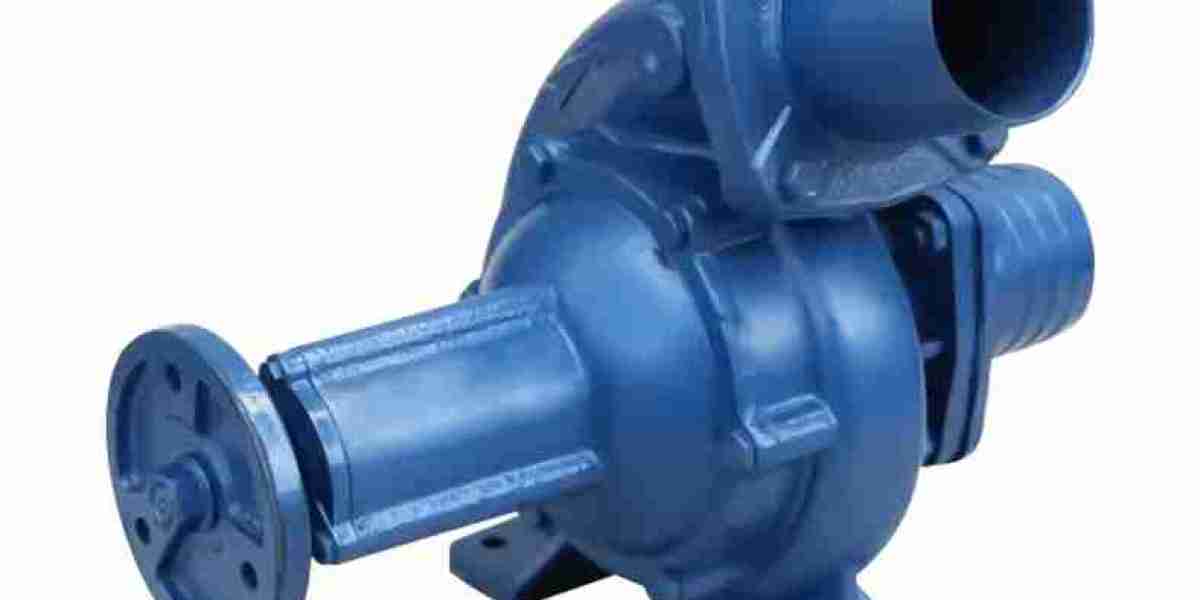
Agricultural water systems need equipment that can move water from a source to the places where it is required. An Agricultural Centrifugal Pump is commonly used for this purpose, supporting crop irrigation, greenhouse watering, livestock facilities, and farm water storage. Its impeller creates fluid movement through rotational energy, allowing water to enter the pump and discharge into connected pipelines.
For farms with extensive irrigation networks, pump selection should begin with a clear understanding of the water delivery requirements. Flow rate describes the volume of water delivered over a period, while head represents the energy needed to move water against elevation and system resistance. Both values influence how an Agricultural Centrifugal Pump performs after installation. Choosing equipment based only on pipe diameter or motor power may lead to unsuitable operating conditions.
The layout of the irrigation network also matters. Long pipes, narrow fittings, valves, and multiple branches create resistance that affects the required pump head. Sprinkler systems usually need a different pressure range from gravity-assisted distribution or some drip irrigation arrangements. Calculating the system requirements before installation helps users select equipment that fits the intended purpose.
Water quality can influence component life. Clean water is generally suitable for conventional agricultural centrifugal pumps, while water containing grit or fibrous debris may require additional filtration or a pump designed for that service. Intake arrangements should prevent large debris from entering the system without restricting the water supply. Operators should also consider seasonal changes in water level, especially when drawing water from open reservoirs.
Installation details are equally important. The pump should be placed on a stable foundation, with inlet and outlet pipes properly supported. Poor alignment, air entering the suction line, or an unsuitable inlet arrangement can cause vibration, reduced flow, or difficulty maintaining prime. Following the specified installation instructions helps the system operate within its intended range.
Maintenance does not need to be complicated, but it should be consistent. Users can check for leakage, inspect electrical connections where applicable, monitor unusual sounds, and clean filters according to operating conditions. If the pump shows a sudden change in pressure or flow, checking the water source and intake system is a sensible starting point.
An Agricultural Centrifugal Pump can support dependable farm water management when its capacity, materials, and installation match the application. For agricultural suppliers, explaining these factors helps customers choose equipment suited to their irrigation systems and daily operating conditions.
https://www.xrispump.com/product/centrifugal-pumps/



