


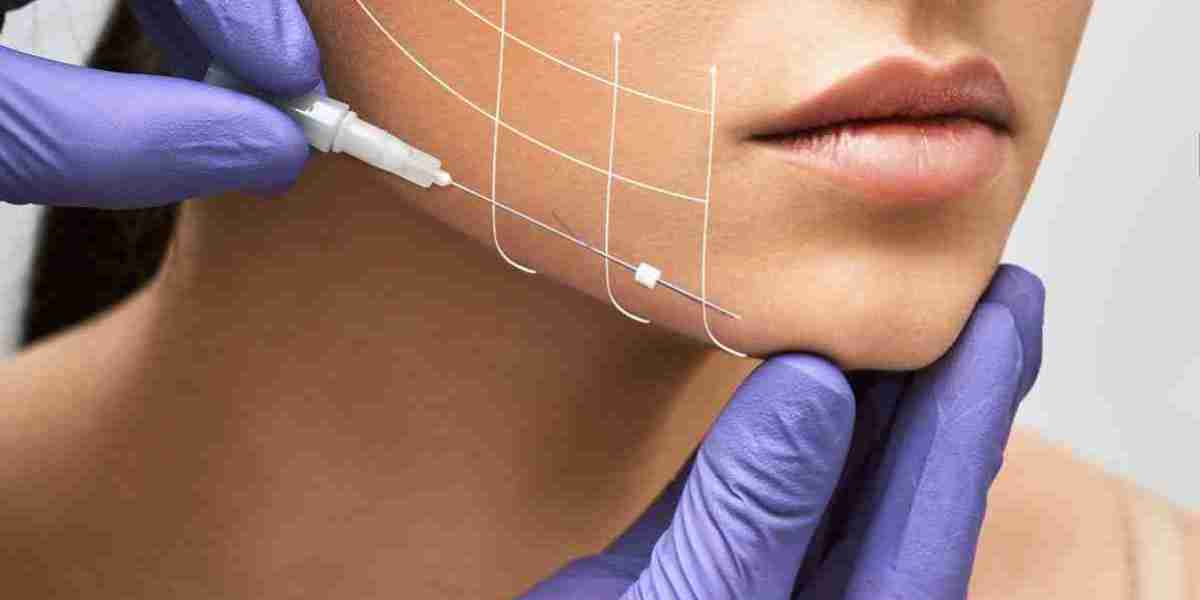
Most articles about facial rejuvenation explain who benefits. Far fewer explain who should walk away. That imbalance is a problem, because the patients most likely to be disappointed or harmed by a non-surgical facelift in Dubai are often the ones least likely to be told so during a sales-driven consultation. This article takes the opposite approach: it describes the situations where caution, delay, or a different path is genuinely warranted, and why. If you recognise yourself in any of the following, that is not a reason for alarm — it is a reason for a more honest conversation.
When the Concern Exceeds the Method
The most common reason to avoid minimally invasive lifting has nothing to do with health. It is a mismatch between what the treatment can achieve and what the face actually needs.
Significant skin redundancy, deep structural descent, and pronounced neck laxity generally exceed what energy devices, fillers, or threads can correct. A clinician may still be able to produce some improvement, but the gap between the result and the patient's goal tends to remain wide.
In our clinical experience, the unhappiest patients are rarely those who had a complication. They are those who were treated for a concern the method could not solve, having been assured it could.
Non-Surgical Facelift in Dubai: Medical Reasons to Pause
Certain health conditions raise risk enough that treatment should be deferred or reconsidered. These are not absolute bans in every case, but each requires explicit discussion.
Active skin infection or inflammation in the treatment area — treat the infection first
Uncontrolled autoimmune or connective tissue disorders — unpredictable inflammatory response
Bleeding disorders or current anticoagulant therapy — elevated bruising and hematoma risk
Pregnancy and breastfeeding — insufficient safety data for most aesthetic modalities
History of keloid scarring — risk of abnormal scar formation at injection or thread sites
Known allergy to the product or its components — including lidocaine in some fillers
Active cancer treatment — requires oncologist input before any elective procedure
A clinician who waves these aside rather than discussing them individually is not protecting you.
Skin That Argues Against Certain Techniques
Skin type and condition should influence technique selection, and in some cases rule options out entirely.
Patients with a strong tendency toward post-inflammatory hyperpigmentation may be poor candidates for aggressive heat-based treatments, particularly at higher energy settings. That does not eliminate all options, but it demands modified protocols or alternative modalities.
Thin, fragile skin is a poor match for thread lifting, where visible dimpling and suture palpability are more likely. Highly vascular areas and a history of frequent cold sores warrant antiviral precautions before perioral energy treatment.
The point is not that these patients cannot be treated. It is that they cannot be treated generically.
Non-Surgical Facelift in Dubai: Psychological Contraindications
This category is discussed less often and matters just as much.
Patients with body dysmorphic tendencies — where a minor or imperceptible flaw dominates attention — rarely feel satisfied after any aesthetic procedure. The concern typically migrates to a new area rather than resolving.
Similarly, patients under acute emotional stress, going through significant life transitions, or seeking treatment to please someone else are at higher risk of regret. These are not diagnoses a clinician can make in one appointment, but an experienced practitioner recognises the pattern and may recommend delay.
Unrealistic expectations function the same way. A patient who believes a non-surgical treatment will make them look ten years younger, or will produce surgical-level lifting, is not a suitable candidate for that plan — regardless of their anatomy.
When Timing Itself Is the Problem
Sometimes the treatment is appropriate but the moment is not.
| Situation | Why Delay Is Advised |
|---|---|
| Major event within 1–2 weeks | Swelling and bruising may not have settled |
| Upcoming dental or facial surgery | Competing inflammation complicates healing |
| Active cold sore outbreak | Risk of spread and poor healing |
| Recent sun exposure or sunburn | Compromised skin barrier |
| Starting a new medication | Unknown interaction or healing effect |
| Planned significant weight change | Facial volume shifts affect results |
Rescheduling is almost always the better choice. Clinics that resist rescheduling for convenience are prioritising their schedule over your outcome.
Who Benefits From a Different Route Entirely
For some patients, the correct advice is not "wait" but "consider surgery."
Pronounced jowling with substantial skin excess, deep neck banding, and significant mid-face descent are typically better served by surgical consultation. This is not a failure of non-surgical options; it is a recognition of what each approach is designed to do.
Other patients may be better served by doing less. Mild concerns sometimes warrant watchful waiting, skincare optimisation, or a single targeted treatment rather than a multi-modality plan. Restraint is a legitimate clinical recommendation.
Why Honest Screening Protects Patients
A clinic that screens carefully is not turning away business for the sake of it. It is protecting patients from predictable disappointment and protecting itself from the reputational damage of poor outcomes.
The assessment process should include a genuine willingness to say no. At Tajmeels Clinic in Dubai, suitability is assessed before any treatment is proposed, and patients whose concerns fall outside what minimally invasive options can address are informed of alternatives rather than encouraged to proceed regardless.
What to Do If You Recognise Yourself Here
If one or more of these situations applies to you, the appropriate step is a consultation — not to be cleared for treatment, but to receive an honest assessment. Bring your concerns openly, including the ones you suspect might disqualify you. A clinician who discusses them seriously is doing their job.
If you feel pressured to proceed despite raising a concern, that pressure is your answer. Seek another opinion.
Conclusion
Avoiding a non-surgical facelift in Dubai is sometimes the smartest decision a patient can make, whether because the concern exceeds the method, a medical factor requires caution, or the timing is simply wrong. None of these situations is a judgment on you; they are clinical realities that deserve honest discussion. The right clinic will tell you when treatment is not appropriate and explain why, rather than finding a way to proceed. If you are uncertain whether you fall into any of these categories, that uncertainty is best resolved through professional assessment rather than reassurance from a provider who has already decided to sell you something.
Contact us:
WhatsApp: +971 56 203 8751
Phone: +971 4 373 9000
Social Media:



