


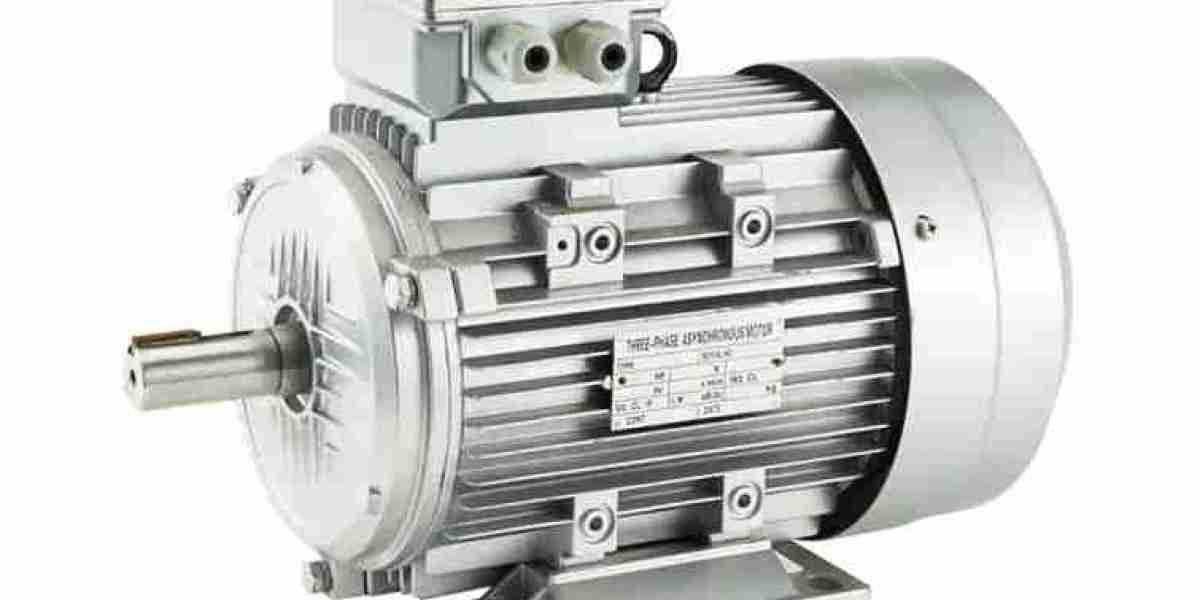
Selecting an AC Brushless Motor requires more than checking its rated power. The motor must match the machine's operating conditions, including load changes, required speed, installation space, and expected running time. A suitable choice helps equipment perform its intended task without placing unnecessary stress on electrical or mechanical components.
One important consideration is the relationship between torque and speed. Conveyors may need steady torque when moving materials, while fans and pumps often require speed control to adjust airflow or fluid delivery. Machines that start under a heavy load may also need sufficient starting torque. Reviewing the actual load profile before selecting a motor can help prevent performance problems during startup and normal operation.
The electrical supply should also be checked carefully. Rated voltage, frequency, phase configuration, and current requirements must be compatible with the application. When variable speed operation is required, the motor and controller need to work together across the intended speed range. Control settings should account for acceleration, deceleration, overload conditions, and any feedback signals used by the equipment.
Heat management has a direct effect on motor service life. Electrical losses and mechanical friction produce heat during operation. An appropriate cooling arrangement helps maintain a suitable working temperature. The housing, insulation system, ventilation path, and surrounding installation space should therefore be considered as part of the complete motor setup. Equipment installed in dusty or humid locations may need additional protection based on the working environment.
An AC Brushless Motor can be used in automation systems, ventilation equipment, fluid handling machinery, and various industrial drive applications. Its brushless construction removes the need to replace carbon brushes, although bearings and other components still require maintenance. Electronic controllers also need suitable protection against electrical disturbances and excessive temperatures.
Noise and vibration deserve attention during installation. Poor alignment, loose mounting hardware, worn bearings, or an unsuitable load connection can create unwanted vibration. Correct mounting and periodic inspection help identify these issues before they interrupt production. Where accurate motion control is required, the system may also need suitable sensors and feedback settings.
Before finalizing a motor specification, engineers should review the machine's duty cycle, operating temperature, speed range, torque demand, and available power supply. Installation and maintenance requirements should be included in the assessment rather than considered separately.
A properly selected AC Brushless Motor can provide consistent motion and support practical maintenance planning. Matching the motor to its working conditions helps industrial operators maintain equipment stability and reduce avoidable service interruptions.
https://www.acasynchronousmotor.com/product/




