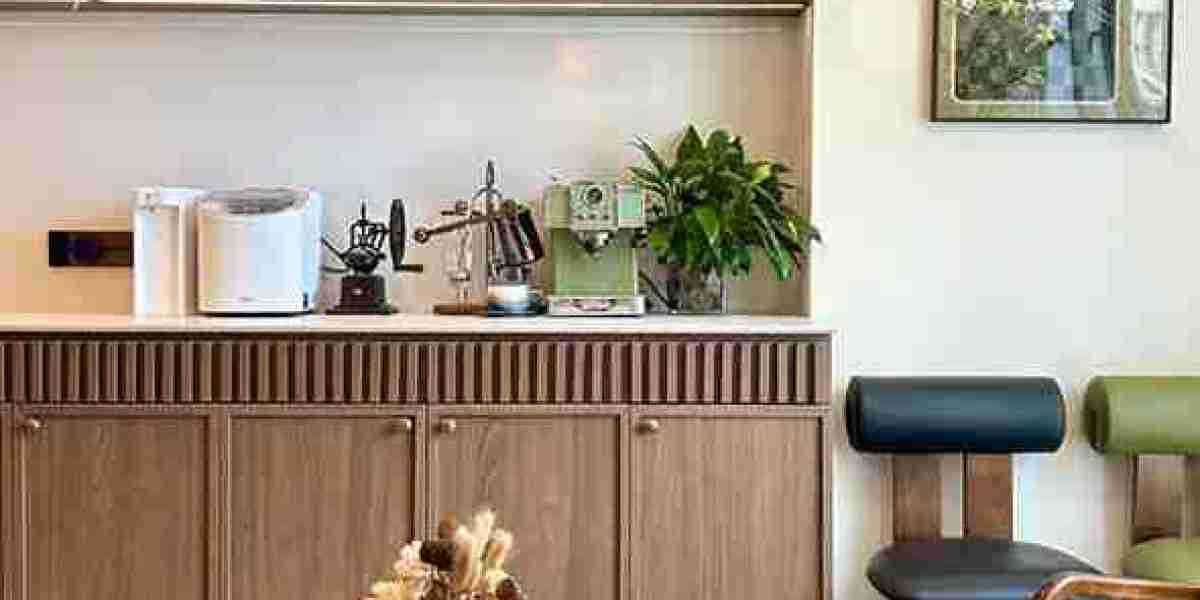
Kitchen cabinets influence how a kitchen looks, feels, and functions. Their materials, dimensions, and internal structure determine how effectively the room supports cooking, cleaning, and storage. During a renovation or new construction project, selecting a Kitchen Cabinet design requires more than matching door colors to the interior. Buyers should also consider the room's humidity, expected usage, available budget, and installation conditions.
Understanding Common Cabinet Materials
Different cabinet materials serve different purposes. Plywood is constructed from bonded wood veneers and is commonly selected for cabinet boxes that require structural stability. Medium-density fiberboard, often called MDF, provides a smooth surface suitable for painted doors and decorative profiles. Particleboard is another option for projects where material cost and weight are important considerations.
Solid wood can bring natural texture and visible grain to traditional or contemporary interiors. However, its appearance may change with fluctuations in humidity. Choosing a material should involve reviewing its intended application rather than relying on appearance alone.
Matching Finishes with Interior Design
Cabinet finishes help establish the character of a kitchen. White and cream surfaces create a bright atmosphere, while darker colors can add visual depth. Natural wood finishes work well with stone countertops, metal fixtures, and neutral wall colors. Two-tone designs can separate upper and lower cabinets visually without requiring complicated decorative details.
Glossy finishes reflect light, whereas matte surfaces offer a softer appearance. Textured laminates can introduce visual interest while keeping maintenance manageable. Samples should be viewed under the kitchen's actual lighting because colors may appear different under daylight and artificial illumination.
Cabinet Layout and Storage Capacity
The internal layout deserves as much attention as the exterior finish. Deep drawers accommodate cookware, while adjustable shelves allow cabinet interiors to adapt to changing storage needs. Narrow pull-out units can hold bottles, spices, or cleaning products without occupying a wide section of wall space.
For open-plan homes, cabinet arrangements can also help define the cooking area. An island with storage on one side may provide additional working space while maintaining a clear route through the room.
Hardware and Structural Details
Cabinet hinges, drawer runners, handles, and mounting brackets influence ease of use. Hardware should match the dimensions and weight of each cabinet component. Soft-close fittings can reduce sudden impacts, while adjustable hinges help installers align doors after fitting.
Edge treatment, panel thickness, and fastening methods also affect cabinet construction. These details are worth reviewing when comparing different specifications.
Preparing for Installation
Before ordering a Kitchen Cabinet system, measure the room carefully and record the positions of windows, doors, pipes, sockets, and appliances. Confirm the required clearances around ovens, refrigerators, and dishwashers. A detailed installation plan can reduce fitting problems and unexpected adjustments.
Suitable materials, coordinated finishes, and carefully planned storage make kitchen cabinets easier to maintain and use. When these elements are considered together, the finished kitchen can support everyday routines while reflecting the intended interior style.
https://www.gywooden.com/product/kitchen-cabinet/