


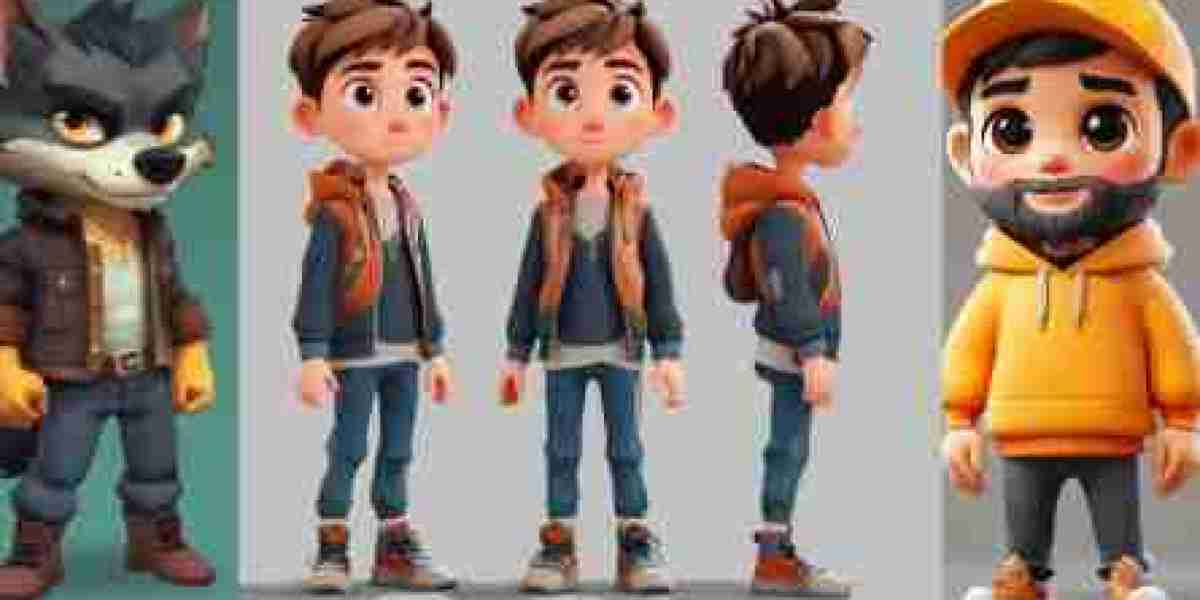
A great story can begin with a single question: What if a character had to make a difficult choice that changed everything? That question might lead to a fantasy adventure, a futuristic mystery, a romantic drama, or an interactive world where readers influence what happens next. Whatever the genre, the characters are often what make people care about the outcome.
Creating those characters used to involve extensive planning, sketches, reference sheets, and repeated revisions. Today, artificial intelligence offers another way to explore ideas, develop appearances, and experiment with personalities before committing to a complete story. Writers and digital creators can use AI to turn rough concepts into visual references and build fictional personalities that fit their imagined worlds.
However, an interesting character is not simply an attractive face generated by software. The character needs a reason to act, something worth protecting, and a problem that cannot be solved without effort. This is where thoughtful AI character creation becomes especially useful.
Whether you are writing an interactive adventure, developing a fictional universe, or producing a series of illustrated stories, the right process can help you create memorable personalities without making the project unnecessarily complicated.
Think Like a Storyteller Before You Think Like a Designer
Many creators begin by deciding what their character should look like. They choose the hairstyle, clothing, eye color, and artistic style before considering the character's purpose. Although visual exploration can be enjoyable, starting with appearance alone may leave you with a beautiful design and no meaningful story behind it.
A better approach is to imagine the character in a situation.
Picture a young inventor living in a city where machines have suddenly stopped working. She wants to discover the cause, but the investigation could expose a secret involving her own family. Her curiosity pushes her forward, while her fear of losing the people she loves makes every decision more complicated.
This small premise already provides several useful details. The character has a goal, a personal conflict, and a reason to take risks. Her appearance can now reflect her environment and personality rather than being selected randomly.
When you create AI characters, begin with a simple narrative foundation:
- The desire: What does the character want to achieve?
- The obstacle: What prevents them from reaching that goal?
- The weakness: What personal habit or belief makes the situation harder?
- The consequence: What could happen if the character fails?
These four elements provide a practical starting point for AI character development. They also help distinguish characters who have different roles within the same story.
Build a Fictional World That Gives Characters a Purpose
Characters rarely exist in isolation. Their surroundings influence what they believe, what they fear, and how they interact with other people.
A detective in a crowded futuristic city will have different experiences from a healer living in a remote fantasy village. A virtual explorer traveling between planets may value independence, while a character raised in a tightly controlled society might struggle to make decisions without permission.
Before moving into detailed virtual character creation, establish a few basic facts about the world. Decide where the story takes place, what makes that setting unusual, and which rules influence everyday life.
You do not need to invent an entire history, language, or political system at the beginning. Three or four well-chosen details can be enough to make the setting feel distinctive.
For example, a fantasy world might contain floating islands connected by ancient bridges. Travel is dangerous, so maps and navigation skills become valuable. This setting naturally creates opportunities for adventurous characters, rival explorers, cautious guides, and people who want to control the routes between islands.
The environment gives characters reasons to cooperate and disagree. It also provides visual inspiration for their clothing, equipment, homes, and personal symbols.
This is one reason AI characters for storytelling can benefit from a shared world-building document. When character designs and narrative details come from the same setting, the entire project feels more connected.
Give Every Character a Different Reason to Keep Going
A story becomes more engaging when its characters want different things. If everyone agrees on every decision, scenes can quickly become predictable. Differences in motivation create tension without requiring constant arguments or dramatic confrontations.
Consider a team searching for a missing research station. One character wants to rescue the people inside, another wants to recover valuable scientific data, and a third suspects the station should never have been discovered in the first place.
All three can be intelligent and well-intentioned, but their priorities lead them toward different choices.
When planning AI story characters, think about how their motivations interact. Ask what each character would sacrifice to achieve their goal and which boundaries they would refuse to cross.
A useful character profile can include the following information:
Public identity: How the character behaves when other people are watching.
Private concern: A fear, regret, ambition, or secret that influences their decisions.
Personal strength: A quality that helps them overcome challenges.
Blind spot: Something they misunderstand about themselves or the world.
Potential change: A belief or behavior that could evolve during the story.
These details make character development easier because they provide reasons for specific actions. Instead of asking an AI tool to invent random dialogue, you can explore how a cautious character might react when forced to trust a stranger.
The resulting scenes are more likely to support the narrative rather than distract from it.
Turn Character Ideas Into Visual References
Once the narrative foundation is clear, visual development becomes much more purposeful. AI character design allows you to explore how a fictional personality might appear without drawing every version manually.
Start by choosing a few defining features. These could include a distinctive hairstyle, a recognizable outfit, a particular color palette, or an accessory connected to the character's history.
Suppose your protagonist is a resourceful mechanic from a coastal settlement. Weather-resistant clothing, practical tools, slightly worn boots, and a compact repair kit might communicate more about her lifestyle than an elaborate costume would.
A different character from a wealthy futuristic district might wear structured clothing, polished accessories, and a carefully maintained appearance. The contrast between the two designs can communicate differences in background before either character speaks.
When using an AI character generator, organize the description into four categories:
Design element | What to consider |
Appearance | Hair, eyes, facial features, and distinguishing details |
Clothing | Materials, colors, accessories, and practical needs |
Personality | Expression, posture, and overall visual mood |
Setting | Environment, lighting, atmosphere, and genre |
You do not need to include every detail in the first generation. Begin with the features that matter most, review the output, and refine the design gradually.
Keep the original purpose in mind throughout the process. A character designed for a lighthearted animated adventure may need expressive features and a recognizable silhouette, while a serious mystery might benefit from subtler expressions and more restrained styling.
Make AI Tools Part of Your Creative Process
Different tools can support different stages of storytelling. Some focus on image generation, others help develop written scenes, and certain platforms combine visual creation with interactive character conversations.
The most useful AI storytelling tools are the ones that solve a specific problem in your workflow.
For example, a writer who struggles to imagine a setting might generate visual references before drafting a scene. An illustrator could explore several costume options before finalizing a character sheet. Someone developing an interactive narrative might use conversational tools to test how a fictional personality responds to different situations.
You can also use AI to brainstorm alternatives when a plot feels stuck. If your protagonist cannot reach an important destination, consider several possible complications: a broken transport system, an unexpected rival, a misleading clue, or a difficult choice involving another character.
Treat these suggestions as creative options, not automatic solutions. Choose the idea that fits the established story and revise anything that conflicts with the characters' motivations.
Creators working in specialized illustration categories may also explore tools such as an AI hentai creator for adult-themed, anime-inspired fictional artwork, where permitted by the platform and applicable law. Any such use should involve clearly adult fictional characters and respect privacy, consent, and image rights.
Regardless of the genre, the purpose of a tool is to support your creative decisions. It should not determine every aspect of the story for you.
Write Scenes That Reveal Personality Through Action
One of the most effective ways to make a fictional character believable is to show how they behave when something goes wrong.
Imagine a character who claims to be fearless. Rather than repeatedly describing this trait, place them in a situation where they must protect someone despite feeling uncertain. Their decision becomes more meaningful because it demonstrates courage through action.
The same principle applies to other personalities. A generous character might give away an important resource, even when doing so creates a problem for them. A clever character might solve a puzzle but overlook an emotional consequence. A loyal friend might defend someone publicly while privately questioning their decisions.
When developing virtual storytelling tools into a regular creative workflow, use these kinds of situations to test whether your characters behave consistently.
You can create a short scene around three questions:
- What does the character want at the beginning?
- What unexpected event makes that goal difficult?
- What decision reveals something important about the character?
For instance, a space pilot may want to leave a damaged station before nightfall. An injured stranger asks for help just as the departure window begins to close. The pilot's response reveals whether personal safety, duty, or compassion matters most to them.
This simple structure can generate meaningful scenes without requiring a complicated plot.
It also helps avoid a common weakness in AI-assisted writing: characters explaining their personalities instead of demonstrating them.
Keep Character Appearances and Personalities Consistent
Imagine following a digital story in which the protagonist has black hair in one scene, blonde hair in the next, and a completely different personality a few chapters later. Unless the changes have an explanation, the experience becomes confusing.
Consistency is particularly important when a story uses generated illustrations, recurring characters, or interactive conversations.
Create a reference document for every major character. Include a short description of their appearance, the most important personality traits, their relationships, and the major events they have experienced.
For visual projects, save reference images and note the details that should remain stable. If the selected platform supports reference-image uploads, reusable character settings, or saved profiles, use those features where appropriate.
For written stories, maintain a simple continuity record. After each major scene, note what the character has learned, which relationships have changed, and what information they now possess.
This makes digital character creation easier to manage as the story expands.
Consistency does not mean that characters must remain unchanged. A character can become more confident, develop new skills, or change their clothing after a major event. The important point is that these developments should follow the story's logic.
A frightened beginner who gradually becomes a capable leader creates a meaningful arc. A character who changes personality without explanation simply feels inconsistent.
Let Relationships Create Natural Conflict
A compelling story usually needs more than a central character facing external obstacles. Relationships provide another source of tension and emotional development.
Two friends might agree on their destination but disagree about how to reach it. A mentor could support a student's ambition while worrying that the student is moving too quickly. A former rival might become an ally after both characters face the same danger.
These relationships give scenes a personal dimension. The characters are no longer simply completing tasks; their choices affect people they care about.
During AI character creation, decide how the main characters feel about one another at the beginning. Then consider what events could strengthen, damage, or transform those relationships.
A relationship does not need to change in every scene. Small moments can be enough: a character remembering an important detail, admitting a mistake, or choosing to trust someone despite earlier doubts.
For interactive stories, relationships can also respond to the reader's decisions when the platform supports branching narratives. Different choices may lead to new conversations, unexpected disagreements, or alternative endings.
The key is to make those outcomes understandable. Readers should be able to see how earlier actions influenced later events.
Plan the Story in Small, Manageable Stages
It is tempting to develop an enormous fictional universe before writing the first chapter. You might plan dozens of characters, several kingdoms, complicated histories, and multiple endings. Although this can be enjoyable, too much planning may delay the actual storytelling.
A smaller starting project is often more productive.
Begin with one main character, one important supporting character, and a clear problem. Develop a short opening scene that introduces the setting and gives the protagonist a reason to act.
Next, outline the major events. You might use a simple structure:
- Opening: Introduce the character and their ordinary situation.
- Disruption: Present a problem that changes their plans.
- Complications: Show attempts to solve the problem and the consequences of those choices.
- Turning point: Force the character to make a difficult decision.
- Resolution: Show the outcome and how the experience changes them.
This outline is flexible enough for short fiction, visual storytelling, and interactive experiences.
As you expand the project, introduce additional characters only when they contribute something meaningful. Each new personality should change the situation, reveal information, or create a worthwhile challenge.
This approach makes AI characters for stories easier to develop because every character has a clear place within the narrative.
Common Mistakes That Weaken Virtual Stories
Even with useful AI tools, a few creative mistakes can make a project feel generic.
Creating characters without clear motivations. If a character has no meaningful goal, their actions may seem random. Give each major character something they want and a reason it matters.
Making every character sound alike. Different personalities should have different communication styles, priorities, and reactions. Review dialogue to ensure each voice contributes something distinctive.
Overloading designs with details. Too many accessories, colors, and visual elements can make a character difficult to recognize. Focus on a few signature features.
Ignoring the consequences of decisions. If characters can make major choices without affecting anything, the story loses tension. Let important actions influence relationships, opportunities, or future events.
Relying entirely on generated content. AI can provide useful ideas, but its suggestions may contain clichés or contradictions. Review every scene for originality, coherence, and relevance to your intended audience.
Forgetting the intended format. A character for a short social media series may need a different level of detail from a protagonist in a long interactive game. Develop only the complexity your project needs.
Recognizing these problems early can save time and improve the quality of the finished story.
A Simple Project to Try Today
If you want to put these ideas into practice, create a short story about a character who discovers something unexpected in a familiar place.
First, choose the character's role and main personality traits. Give them one important goal and one weakness that could complicate the situation.
Next, use a suitable generator to explore the character's appearance. Select a design that fits the setting, save the reference, and note the details that should remain consistent.
Write an opening scene in which the character discovers a mysterious object, receives an unexpected message, or encounters someone they did not expect to see.
Now introduce a problem. Perhaps the discovery challenges something the character believes, puts a friendship at risk, or forces them to choose between two valuable goals.
Finally, write a short ending that shows the consequence of the decision. The story does not need to solve every mystery. It only needs to give the character a meaningful experience and leave the reader interested in what happens next.
Once the first story works, expand it into a series, introduce a supporting character, or experiment with alternative outcomes.
This small exercise helps you connect character design, personality, and plot instead of treating them as separate tasks.
Conclusion
Creating AI characters for virtual storytelling becomes more rewarding when you begin with the story rather than the software. A distinctive appearance may attract attention, but believable motivations, personal weaknesses, meaningful relationships, and consistent behavior give audiences a reason to remain interested.
AI tools can help you explore designs, organize ideas, test dialogue, and develop visual references. With a clear process, you can use those capabilities to experiment more efficiently without losing control of your creative direction.
Start with a character who wants something important. Give them an obstacle that challenges their beliefs, build a world that influences their choices, and allow the consequences to shape what happens next.
Over time, these decisions can turn a simple digital design into a recognizable fictional personality with a story worth following. Whether you are developing illustrated fiction, interactive adventures, virtual personalities, or a larger creative universe, the goal remains the same: create characters whose choices make the story matter.




