


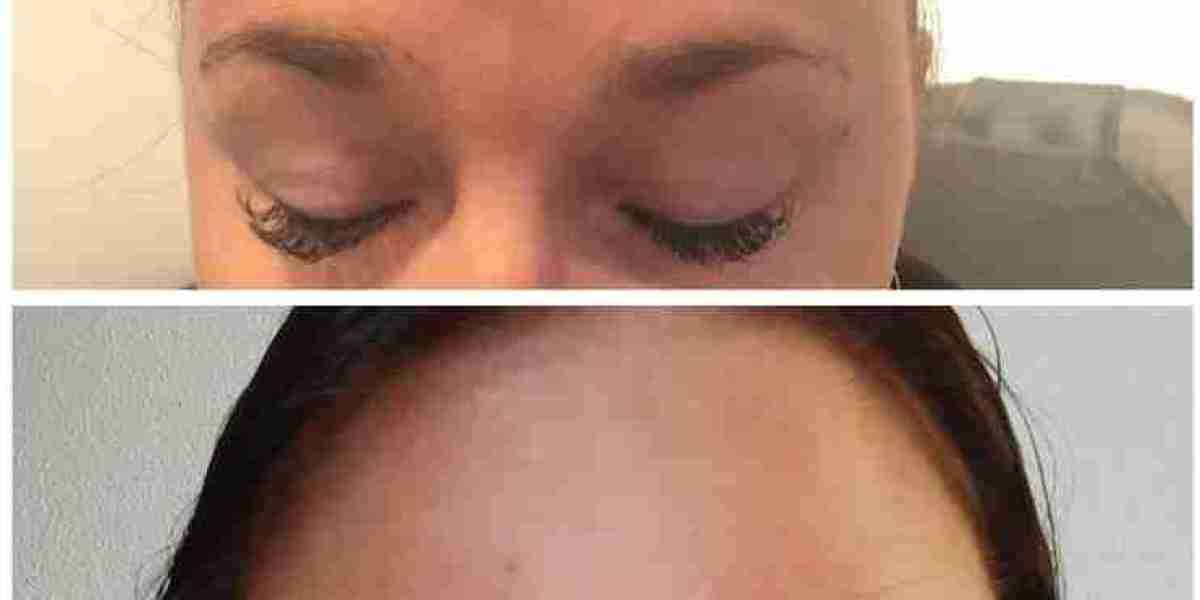
At 30, beauty editor Hannah Coates decided to try Botox after noticing the first signs of ageing on her forehead. Having spent years writing about beauty treatments, she was familiar with cosmetic injections and wanted to see whether they could help with her expression lines.
However, the experience was not quite what she expected. After trying Botox twice, Hannah realised she disliked how little her forehead moved. Instead of feeling more confident, she became increasingly aware of her appearance.
She later shared her experience in Vogue Netherlands on February 2, 2024, explaining why she had chosen to embrace her natural facial expressions rather than continue treatment.
Her story raises a question many people face after turning 30. Should you treat forehead lines while they are still faint, or is there no real need to start Botox so early?
This question is becoming more relevant in the Netherlands as cosmetic injections grow in popularity. Preventative Botox is receiving attention from adults who want to manage early wrinkles without making dramatic changes to their appearance.
Yet before considering treatment, it helps to understand what the evidence actually says.
Why Preventative Botox Is Getting More Attention in the Netherlands in 2026
Botox has become a familiar part of cosmetic medicine in the Netherlands. Treatments once associated mainly with reducing established wrinkles are now also discussed as options for managing early expression lines.
Research published by Erasmus MC in October 2024 shows how considerably the Dutch cosmetic injection market has expanded.
The estimated annual number of Botox treatments increased from approximately 250,000 in 2019 to 550,000 in 2022, representing growth of 120% within three years.
Researcher and cosmetic doctor Dr. Tom Decates also estimated that approximately 1 in 29 Dutch women aged 18 to 70 received Botox treatment.
These figures describe Botox use overall. They do not establish exactly how many Dutch adults in their thirties receive preventative forehead injections.
However, growing treatment availability and increased exposure to cosmetic procedures have made early wrinkle management a more visible topic.
Social media also plays a part in the wider conversation. Treatment videos and before-and-after photographs can influence how people view facial ageing, although their exact effect on preventative Botox demand in the Netherlands has not been established.
In August 2026, the Dutch Health and Youth Care Inspectorate (IGJ) highlighted the growing cosmetic injection market and the importance of informed treatment decisions.
As Botox becomes more familiar, understanding its benefits and limitations is increasingly important.
Why Forehead Lines Often Become Noticeable After 30
Your forehead moves throughout the day. It helps you raise your eyebrows, show surprise and communicate during ordinary conversations.
Each movement briefly folds the skin above your facial muscles. When you are younger, these folds often disappear once your forehead relaxes.
As you enter your thirties, natural changes in your skin may make some lines more noticeable.
Collagen helps maintain skin firmness, while elastin allows skin to stretch and return to shape. Changes in these supporting structures gradually affect how easily your skin recovers from repeated movement.
Other factors influence how early forehead lines appear. Long-term sun exposure, genetics and smoking can all contribute to visible skin ageing.
Someone with naturally expressive forehead muscles may also notice movement-related lines earlier than someone whose forehead moves less frequently.
This explains why two people of the same age can have very different facial lines.
Noticing a few forehead creases at 31 does not mean your skin is ageing unusually quickly. It simply reflects the natural changes happening in your face.
Dynamic and Static Wrinkles: Why the Difference Matters
Not every forehead line behaves in the same way. Understanding the difference helps explain why preventative Botox may be suitable for some people but unnecessary for others.
Dynamic wrinkles appear when facial muscles contract. For example, horizontal lines become visible when you raise your eyebrows. These lines may disappear completely when your forehead relaxes.
Static wrinkles remain noticeable even when your facial muscles are resting. They develop through a combination of repeated facial movement, natural skin changes and environmental factors.
Botox primarily works by reducing selected muscle movements.
Someone who notices only faint lines while raising their eyebrows may therefore have different treatment needs from someone with deeper lines visible at rest.
Although Botox can sometimes soften established wrinkles, it cannot correct every type of skin crease equally.
A proper assessment should consider how your muscles move and how your skin responds rather than focusing only on the number of visible lines.
What Is Preventative Botox and How Does It Work?
Preventative Botox involves using botulinum toxin to temporarily reduce repeated facial movements before expression lines become deeply marked.
Botox is a brand name for a medicine containing botulinum toxin type A.
When injected into selected facial muscles, the substance reduces nerve signals responsible for muscle contraction.
Think about how often you raise your eyebrows during an ordinary conversation. Each movement folds similar areas of forehead skin.
By temporarily reducing selected movements, Botox can soften expression lines. The preventative idea is that reducing repeated folding may delay the development of deeper resting wrinkles.
You may also come across the term Baby Botox. Although the terms are sometimes used together, they are not identical.
Preventative Botox describes the purpose of treatment, while Baby Botox generally refers to an approach using smaller amounts of botulinum toxin.
Neither guarantees wrinkle prevention.
Botox does not stop biological ageing or permanently change your skin. Its effects gradually wear off, which makes it an optional cosmetic treatment rather than a permanent solution.
Does Scientific Research Support Preventative Botox?
Research provides good evidence that Botox can temporarily reduce existing expression wrinkles. However, evidence that starting early prevents wrinkles over many years remains less certain.
A frequently discussed study was published by Dr. William J. Binder in Archives of Facial Plastic Surgery in 2006.
The research compared identical twin sisters with different treatment histories. One twin received regular Botox injections in her forehead and frown area approximately two to three times yearly for 13 years. Her sister received treatment only twice during that period.
Researchers observed fewer marked resting lines in the regularly treated twin.
Although the findings were interesting, the study involved only two people. It cannot establish how everyone will respond to long-term preventative treatment.
A larger Cochrane systematic review published in 2021 examined 65 clinical trials involving 14,919 participants.
It found that botulinum toxin type A effectively reduces certain existing facial expression lines. Most research focused on frown lines between the eyebrows rather than forehead lines specifically.
More recently, a 2025 systematic review led by Grazia Marinelli, titled Proactive Aesthetic Strategies: Evaluating the Preventive Role of Botulinum Toxin in Facial Aging, examined evidence related to early treatment.
The researchers found promising evidence that reducing repeated muscle activity may delay certain visible signs of facial ageing. However, they also noted that existing studies differ considerably and stronger long-term research is needed.
The distinction matters. Botox is an established treatment for temporarily reducing certain wrinkles, but starting at 30 has not been proven to guarantee better skin in later life.
Is Starting Preventative Botox at 30 Really Necessary?
There is no medical rule stating that people should begin Botox at 30, 35 or any other particular age.
Your facial anatomy, skin condition and personal concerns matter much more than your age.
Consider two people who are both 32. One notices faint forehead lines only when raising their eyebrows. The other sees deeper creases even when their face is relaxed.
Their treatment needs may be completely different.
A qualified cosmetic doctor should examine your facial movement, discuss your expectations and assess whether treatment is appropriate.
Personal motivation also deserves attention.
Hannah Coates's experience illustrates why smoother skin does not automatically make someone happier with their appearance. Some people appreciate the changes Botox provides, while others prefer their natural facial movement.
Before starting treatment, consider whether your forehead lines genuinely bother you or whether you have become more conscious of them after repeatedly seeing cosmetic content online.
There is no need to treat a normal facial feature simply because early injections have become a familiar beauty topic.
Can Preventative Botox Look Natural?
One concern among first-time patients is whether Botox will leave their forehead looking frozen.
A natural-looking result depends on careful treatment planning, appropriate dosing and a thorough understanding of facial anatomy.
The frontalis muscle across your forehead helps lift your eyebrows. Other muscles around the brow area pull them downward.
If the forehead muscle becomes too relaxed, the eyebrows may sit lower than intended. This can create an unwanted heavy appearance.
For this reason, treating forehead lines requires more than placing injections wherever a crease appears.
A practitioner needs to assess how the forehead and eyebrow muscles work together before deciding whether treatment is suitable.
Anyone considering botox for early forehead lines should understand the treatment process, possible complications and expected results before proceeding.
Completely removing forehead movement is not necessary for everyone. Preserving natural facial expression can be just as important as reducing visible lines.
What Happens During Your First Forehead Botox Appointment?
A first appointment should begin with a medical consultation rather than immediate injections.
The practitioner should ask about your health, medication, previous cosmetic procedures and the changes you hope to achieve.
You may then be asked to raise your eyebrows, frown and relax your forehead. These movements help identify which muscles contribute to your expression lines.
If treatment is appropriate, small amounts of botulinum toxin are injected into selected muscles using a fine needle.
The injection process is usually brief. Some people experience mild discomfort, temporary redness or small bruises around the treated areas.
Most patients can return to ordinary daily activities shortly afterwards.
However, the practitioner should explain what to expect following treatment and provide clear aftercare instructions.
You should also know who to contact if an unexpected reaction occurs.
A proper consultation should give you enough time to ask questions and consider your options without feeling pressured to proceed.
How Long Does Preventative Botox Take to Work and Last?
Botox does not smooth forehead lines immediately after injection. The medication needs time to affect the treated muscles.
According to the American Academy of Dermatology, many patients begin noticing changes within 3 to 7 days.
The fuller result may take approximately two weeks to develop, depending on the individual and product used.
As muscle activity decreases, movement-related forehead lines generally become less noticeable.
Results commonly last around 3 to 4 months, although some people experience longer effects.
Once the medication gradually wears off, ordinary muscle movement returns.
Maintaining the cosmetic result therefore involves considering further appointments.
For someone starting treatment in their early thirties, this ongoing commitment is worth thinking about. Botox is not a permanent solution, and continuing treatment should always remain a personal decision.
What Does Long-Term Preventative Botox Cost?
Cost is another consideration when starting treatment relatively early.
Because the results are temporary, maintaining a smoother forehead may involve repeated appointments over several years.
Prices in the Netherlands vary according to the practitioner, product used and number of treatment areas.
Some patients may also require assessment of both the forehead and frown muscles to maintain balanced facial movement.
This can influence the treatment plan and overall price.
Before agreeing to injections, ask for a clear quotation and find out whether follow-up appointments involve additional charges.
It is sensible to consider the longer-term expense rather than looking only at the price of your first appointment.
Choosing the cheapest available treatment should never take priority over professional qualifications and medical safety.
Botox Safety: What Dutch Patients Should Know in 2026
Although Botox is widely used, it remains a medical procedure with possible complications.
Common side effects include temporary redness, tenderness, bruising and swelling around the injection sites.
Less common complications include unwanted changes in eyebrow position, facial asymmetry or a drooping eyelid.
The importance of qualified treatment became especially clear following an August 2026 report from the Dutch Health and Youth Care Inspectorate (IGJ).
The inspectorate received 175 notifications during 2025 concerning Botox and filler treatments.
Of these, 117 reports, approximately 67%, involved treatment reportedly performed by someone without the required authority.
These figures cover both Botox and fillers. They represent notifications received by the regulator, not the overall complication rate among patients.
Nevertheless, they highlight why checking professional qualifications matters.
In the Netherlands, cosmetic injections are regulated under the Wet BIG. They must be performed by an appropriately qualified and competent doctor or delegated under the applicable medical supervision requirements.
Before receiving treatment, check the doctor's registration through the official BIG-register and ask about their experience with cosmetic injections.
Medical conditions, allergies and medication use should also be discussed during consultation. Botox is generally avoided during pregnancy and breastfeeding because adequate safety information is lacking.
The Dutch IGJ Fillercheck initiative provides additional guidance to help people recognise warning signs and make informed decisions about cosmetic treatment providers.
Can You Reduce Early Forehead Lines Without Botox?
Botox is not the only option for caring for your forehead during your thirties.
Daily sun protection remains one of the most useful ways to reduce avoidable skin damage.
Using broad-spectrum sunscreen with SPF 30 or higher helps protect against ultraviolet exposure, which contributes to premature skin ageing.
A consistent skincare routine may also improve the appearance and condition of your skin.
Certain retinoid products can help soften the appearance of fine lines over time. However, they may irritate sensitive skin and should generally be avoided during pregnancy.
Avoiding smoking and maintaining healthy daily habits also support overall skin health.
These approaches cannot completely prevent expression lines because natural facial movement and biological ageing continue throughout life.
However, they provide a sensible foundation whether you eventually choose cosmetic treatment or prefer to avoid injections.
After hours of research into the available evidence, one distinction becomes clear. Good skincare does not require Botox, and Botox does not replace good skincare.
Is Preventative Botox Worth Considering for Forehead Lines After 30?
Preventative Botox is receiving more attention in the Netherlands as cosmetic injections become increasingly familiar and adults explore ways to manage early expression lines.
Current research supports Botox's ability to temporarily soften certain facial wrinkles. There is also promising evidence that reducing repeated muscle movement may delay the development of some deeper lines, although stronger long-term studies are still needed.
For some people in their thirties, carefully planned treatment may be worth considering. Others may feel more comfortable maintaining a simple skincare routine and allowing their natural expressions to remain unchanged.
Both approaches are reasonable.
If your forehead lines genuinely bother you, speaking with a qualified cosmetic doctor can help you understand your options, possible risks and realistic treatment outcomes.
Turning 30 does not create a deadline for Botox. Making an informed decision based on reliable medical information matters far more than starting treatment early.



