
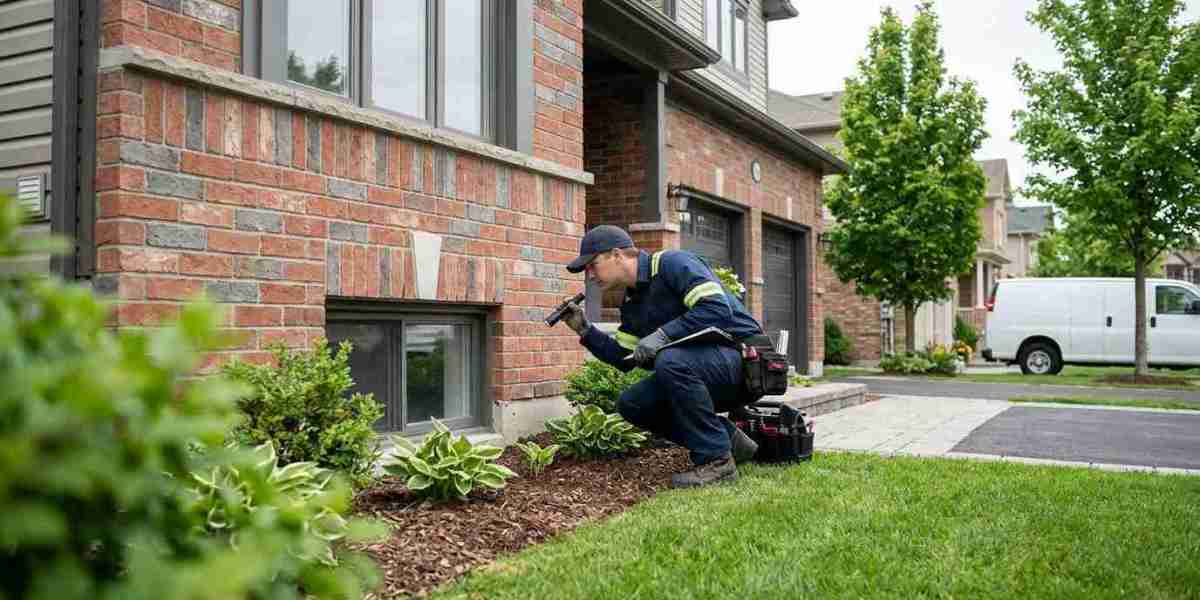
Pests can create problems in houses, apartments, offices, and commercial buildings when they gain access to food, moisture, or sheltered spaces. Rodents may enter garages and basements, ants can appear around kitchen counters, and wasps may establish nests near outdoor areas. Professional pest control Milton services help property owners identify these problems and select appropriate ways to manage them. Combining inspections, targeted treatments, and preventive maintenance can help reduce pest activity and protect indoor environments.
Understanding Pest Problems in Milton
Milton includes established residential neighborhoods, newer housing developments, commercial properties, and areas close to open land and natural spaces. These different surroundings can influence the types of pests that appear around buildings.
Construction gaps, damaged door seals, food waste, and moisture can provide opportunities for pests to enter and remain inside a property. Regular inspections can help identify these conditions before pest activity becomes more difficult to manage.
Mice and Rats
Rodents often enter buildings in search of food, water, and shelter. They may pass through gaps around garage doors, utility pipes, vents, foundations, and other openings.
Common warning signs include droppings, gnaw marks, scratching noises, damaged food packaging, and nesting materials. Rodents may also damage stored belongings and building components.
A suitable management plan should address both the rodents and the conditions that allow them to enter. This may include monitoring, appropriate traps, secure food storage, and sealing suitable entry points.
If rodent activity continues after treatment, a further inspection may be necessary to identify overlooked access routes or nesting areas.
Ants and Carpenter Ants
Ants may enter homes through small openings around windows, doors, foundations, and plumbing. Food crumbs, sugary spills, and moisture can attract foraging ants.
Carpenter ants require particular attention because they can establish nests in wood. Their presence may be associated with damp or deteriorated materials, although their appearance alone does not confirm structural damage.
Cleaning affected areas and storing food securely can reduce attractants. However, repeated ant trails may indicate a nest nearby or inside the building.
Correct identification helps determine whether the issue involves ordinary foraging ants, carpenter ants, or another species requiring a different management approach.
Wasps and Hornets
Wasps and hornets may build nests under roof edges, inside sheltered cavities, around sheds, or near outdoor structures.
Their presence can create a concern when nests are close to doorways, patios, walkways, or other frequently used areas. Disturbing a nest may provoke defensive behavior.
Avoid attempting to remove an active nest without suitable training and equipment. A qualified pest control professional can assess its location and recommend an appropriate treatment method.
Spiders and Crawling Insects
Spiders, silverfish, centipedes, and other crawling insects may appear in basements, bathrooms, storage rooms, and other areas that provide shelter.
Some insects are associated with dampness, while others enter through gaps or follow smaller insects that serve as food. Frequent sightings may justify checking for moisture issues, clutter, or openings around the building.
Keeping storage areas organized and maintaining suitable ventilation can help reduce some of the conditions that support these pests.
Signs That a Property May Have a Pest Infestation
Recognizing early warning signs can help property owners respond before the problem becomes more extensive.
Droppings and Unusual Odours
Rodent droppings around cupboards, garages, or storage areas may indicate activity. Persistent unusual odours can also justify an inspection, particularly when accompanied by other signs.
Avoid handling droppings with bare hands. Follow appropriate hygiene precautions and seek professional advice if the extent of contamination is unclear.
Damaged Food Packaging
Chewed food containers or torn packaging may indicate that rodents or insects are accessing stored products.
Inspect pantry shelves, cupboards, and storage rooms. Dispose of contaminated food safely and transfer unaffected dry goods into suitable sealed containers.
Scratching or Movement Sounds
Scratching or movement sounds in ceilings, walls, or storage areas may indicate rodents or other animals. However, building noises can have several causes, so sound alone does not confirm a pest infestation.
If the sounds recur, note the location and timing and arrange an inspection when appropriate.
Repeated Insect Sightings
Seeing insects repeatedly in the same area may indicate a nearby nest, breeding site, or entry route.
Pay attention to where the insects appear, whether they follow a visible trail, and whether their activity increases at particular times. This information can help a pest professional determine the next steps.
How Professional Pest Control Milton Services Work
Professional pest management should be based on the pest species, property conditions, and extent of the problem.
Initial Inspection
The process usually begins with an assessment of the affected areas. Depending on the issue, a technician may examine kitchens, basements, attics, garages, exterior walls, storage spaces, and utility areas.
The inspection helps establish the likely source of activity and identify conditions that may allow pests to enter or remain inside.
Pest Identification
Different pests require different control methods. Identifying the species helps prevent unsuitable treatment choices and supports a more focused plan.
A technician may use visible evidence, insect samples, droppings, damage patterns, or other signs to assess the situation.
Targeted Treatment
The appropriate treatment depends on the pest and the building. Options may include traps, monitoring devices, exclusion work, sanitation improvements, and carefully selected pest control products.
Integrated pest management combines suitable methods rather than relying automatically on repeated pesticide applications. The goal is to manage pest activity while addressing its underlying causes.
Prevention and Follow-Up
After treatment, property owners may receive recommendations about repairs, food storage, moisture control, and other preventive steps.
Follow-up visits may be appropriate for certain infestations. Monitoring helps determine whether activity has declined and whether further action is necessary.
Ask the provider about the expected timeline, any preparation requirements, and the conditions that may lead to recurring pest problems.
Preventing Pests in New and Established Homes
Preventive maintenance is useful for properties of different ages, although the specific issues can vary.
Inspect Doors, Windows, and Foundations
Check door seals, window screens, exterior vents, and areas where pipes or cables enter the building.
Small gaps can provide access for insects and rodents. Seal suitable openings with appropriate materials while maintaining necessary ventilation and drainage.
Pay attention to garages and utility spaces because doors and service openings may be overlooked during routine cleaning.
Keep Food and Waste Secure
Food scraps, uncovered pet food, and accessible rubbish can attract pests.
Store food in sealed containers, wipe down preparation surfaces, and clean spills promptly. Empty bins regularly and keep waste containers closed.
Businesses should establish clear cleaning procedures for food preparation areas, storage rooms, and waste collection points.
Manage Moisture
Leaks, condensation, and damp storage areas can create favourable conditions for some insects and other pests.
Repair plumbing problems, inspect areas beneath sinks, and address drainage issues. If a basement remains damp, consider whether ventilation, waterproofing, or another building repair may be needed.
Correcting the moisture source is often an important part of preventing recurring pest activity.
Maintain Outdoor Areas
Remove unnecessary debris and keep outdoor storage areas organized. Trim vegetation that touches the building where practical, and inspect sheds, decks, and other structures for signs of nesting.
Avoid allowing rubbish or unused materials to accumulate close to entrances. Regular exterior checks can also reveal damaged screens, loose panels, or other potential access points.
Choosing a Pest Control Company in Milton
Selecting a pest control provider involves checking qualifications, experience, treatment methods, and service terms.
Ask whether the company is appropriately licensed for the proposed work and familiar with the specific pest affecting your property. Request an explanation of the inspection findings and the reasons for the recommended treatment.
A written estimate should outline the services included, the expected number of visits, and any additional charges for repairs or follow-up work.
It is also important to understand safety instructions. Before treatment, ask whether children, pets, or occupants need to remain away from treated areas and when normal use can resume. Follow the product label and the technician's instructions.
For commercial properties, consider whether the provider can maintain inspection records and recommend a monitoring schedule suitable for the building.
Pest Control for Businesses and Rental Properties
Pest management is important in workplaces, retail spaces, restaurants, warehouses, and rental properties.
Businesses that handle food need particular attention to hygiene, storage, waste management, and pest monitoring. An infestation may affect stored goods, sanitation, and day-to-day operations.
Landlords and property managers should respond promptly to pest reports and assess whether shared spaces or neighbouring units may be involved.
Clear communication between occupants, property managers, and pest professionals can help identify the extent of the problem and coordinate appropriate treatment.
Regular inspections and documented maintenance can also help detect issues before they affect multiple areas of a property.
When to Seek Professional Help
Some minor pest issues may be reduced through cleaning and basic preventive measures. However, professional help may be appropriate when pest activity persists, the source is unclear, or the infestation involves rodents, bed bugs, wasps, or other pests that can create significant concerns.
Seek prompt assistance when there is evidence of widespread activity, repeated property damage, or a nest in a difficult-to-access location.
Do not apply pesticides in ways that conflict with their labels or use products intended for outdoor applications inside the home. If you are uncertain about a treatment's safety, ask a qualified professional before proceeding.
Conclusion
Effective pest control Milton involves identifying the pest, inspecting the affected areas, applying suitable treatments, and preventing future access. Rodents, ants, wasps, and other insects may enter properties when food, moisture, shelter, or structural openings are available. Regular maintenance, secure food storage, and timely repairs can help reduce these risks. When an infestation persists or requires specialized treatment, working with a qualified pest control provider can help property owners develop a practical management plan.
Frequently Asked Questions
What pests commonly affect properties in Milton?
Common concerns include mice, rats, ants, carpenter ants, wasps, spiders, and other household insects. The types of pests present depend on the property and its surrounding environment.
How can I keep rodents out of my garage?
Keep food and rubbish secured, inspect the garage door seal, and close suitable openings around pipes and other structural features. If signs of activity remain, arrange an inspection to identify potential entry points.
Can regular cleaning prevent pest infestations?
Cleaning helps remove food residue and reduce attractants, but it may not resolve every infestation. Entry points, moisture problems, and hidden nesting areas may also need attention.
How long does professional pest treatment take?
The time required varies by pest species, infestation severity, property layout, and treatment method. Some problems need one visit, while others require monitoring or additional treatment.
Should businesses arrange regular pest inspections?
Regular inspections can help businesses detect pest activity early and maintain appropriate sanitation practices. Food-related businesses may have specific pest prevention and record-keeping requirements.
What should I ask before hiring a pest control company?
Ask about licensing, inspection procedures, proposed treatments, safety precautions, costs, follow-up visits, and prevention recommendations. Request a written estimate so you understand the services included.