


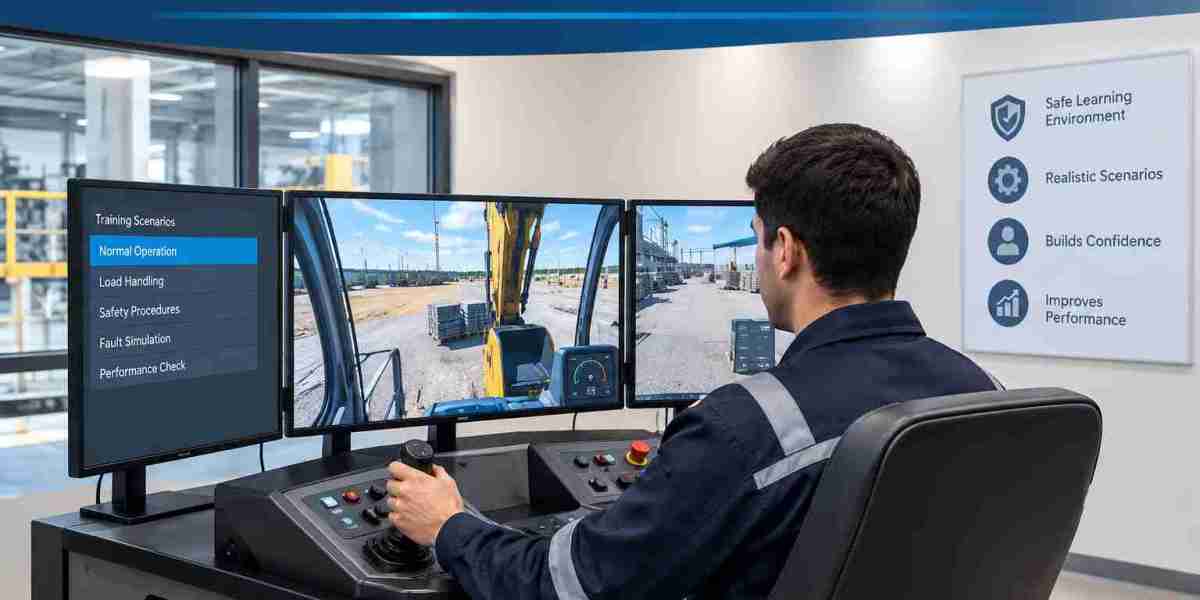
An Operator Training Simulator provides a controlled environment where industrial professionals can practice operating procedures, explore process behavior, and develop troubleshooting skills. By recreating selected operating conditions, simulation technology helps trainees prepare for real-world responsibilities without directly interfering with active production systems.
Understanding Process Control in Industrial Environments
Process control involves monitoring and regulating industrial activities to maintain desired operating conditions. Depending on the application, operators may need to observe temperature, pressure, flow rates, equipment status, and other important parameters.
Industrial control systems use sensors, controllers, and operating interfaces to manage these variables. Operators must understand the information presented by these systems and follow established procedures when adjustments are necessary.
Training becomes more effective when employees can explore how different actions influence process behavior. Simulation provides opportunities to examine these relationships and practice responses before working independently with actual equipment.
How an Operator Training Simulator Supports Process Control
An industrial training simulator uses software-based models to reproduce selected characteristics of machinery or industrial processes. It may include simulated control panels, process indicators, alarms, and operating sequences.
Trainees can interact with the simulated environment by adjusting parameters, monitoring system responses, and completing assigned tasks. The simulator then displays how the process changes according to its underlying model.
For example, a trainee might practice responding to an unusual pressure reading or identifying the cause of a simulated equipment malfunction. The instructor can review the trainee's decisions and explain which procedures should be followed.
The quality of this learning experience depends on the accuracy of the model and its suitability for the intended training objectives.
Developing Better Troubleshooting Skills
Troubleshooting is an essential responsibility in many industrial environments. Operators need to recognize abnormal conditions, interpret available information, and communicate problems to the appropriate technical personnel.
Simulation-based exercises can help develop these skills in several ways.
Recognizing Warning Signs: Trainees can learn to identify unusual readings, equipment status changes, and alarms that require investigation.
Understanding Equipment Behavior: Simulated scenarios help demonstrate how individual components and process variables interact.
Following Correct Procedures: Operators can practice established troubleshooting steps and learn when a problem requires escalation.
Learning From Mistakes: Instructors can explain incorrect decisions and allow trainees to repeat scenarios using the recommended approach.
These exercises improve familiarity with troubleshooting procedures, but they should complement practical instruction and equipment-specific training.
The Importance of Safety-Focused Simulation Training
Industrial safety requires more than knowing how to operate equipment. Employees must understand workplace hazards, operating limits, emergency procedures, and the responsibilities associated with their roles.
An Operator Training Simulator can support safety education by introducing controlled scenarios involving alarms, abnormal process conditions, and selected equipment failures.
Trainees can practice recognizing a developing problem and following the correct response procedure without deliberately creating a hazardous condition in a live facility.
Simulation should always reflect approved operating procedures and be reviewed by qualified instructors. It does not replace formal safety training, required certifications, or supervised practical experience.
Technologies Used in Operator Training Simulators
Several technologies can contribute to effective industrial simulation.
Process Modeling Software
Process models reproduce selected behaviors of industrial systems. They allow trainees to observe how changes in operating conditions affect simulated equipment or production processes.
Human-Machine Interfaces
A human-machine interface, or HMI, provides a visual method for monitoring and controlling equipment. Simulated HMIs help trainees become familiar with displays, controls, and process information.
Programmable Logic Controllers
Programmable logic controllers, commonly known as PLCs, execute control instructions in industrial automation systems. Depending on the training setup, simulators can help trainees understand control sequences and interactions with PLC-based equipment.
Alarm Management Systems
Alarm-related training helps operators understand warning messages, prioritize responses, and follow established procedures for abnormal situations.
Virtual Training Environments
Some systems use interactive visual environments to represent equipment layouts, control rooms, or industrial processes. These environments can help trainees understand spatial relationships and operational workflows.
The appropriate combination depends on the industrial application and the complexity of the tasks being taught.
Industrial Applications of Simulation-Based Training
Manufacturing: Operators can practice machine operation, production sequences, and selected troubleshooting procedures.
Power Generation: Simulators can reproduce relevant plant conditions to help trainees understand process monitoring and control-room responsibilities.
Chemical Processing: Training scenarios can demonstrate changes in process variables and help employees practice responding to abnormal conditions.
Oil and Gas: Simulation can support familiarization with control systems, process monitoring, and approved operational procedures.
Water Treatment: Trainees can learn about process stages, operating parameters, and equipment responses in a controlled training environment.
Each application requires realistic scenarios designed around the relevant equipment, operating procedures, and safety requirements.
Choosing a Suitable Training Simulator
Organizations should evaluate their operational requirements before investing in a simulation system.
First, identify the skills that employees need to develop. These might include basic control-system familiarization, routine operation, troubleshooting, or preparation for abnormal operating conditions.
Next, consider the simulator's process-model accuracy, available scenarios, control interfaces, assessment capabilities, and compatibility with the intended training environment.
Training flexibility is also important. New employees may need introductory exercises, while experienced personnel may benefit from complex scenarios that require multiple decisions.
Finally, evaluate implementation costs, maintenance requirements, technical support, and opportunities to update training materials as operating procedures change.
A suitable simulator should support clear learning objectives and fit into the organization's wider training program.
Measuring Training Effectiveness
Organizations should establish measurable objectives before introducing simulation-based training.
Possible indicators include procedural accuracy, completion of assigned exercises, appropriate responses to alarms, and improvement between repeated training sessions.
Instructors can use these results to identify knowledge gaps and provide targeted support. They should also evaluate whether trainees can apply what they have learned during supervised practical activities.
Regular reviews help ensure that training scenarios remain relevant to current equipment and operating requirements.
Conclusion
Reliable industrial operations require employees who understand process control, recognize abnormal conditions, and follow appropriate safety procedures. An Operator Training Simulator provides a controlled environment for developing these skills through realistic and repeatable exercises.
By combining simulation with qualified instruction, practical experience, and clear performance assessments, industrial organizations can strengthen operator preparation and improve training consistency.
A well-designed training program helps employees build confidence in their responsibilities while maintaining a strong focus on operational reliability and workplace safety.


