


INTRODUCTION
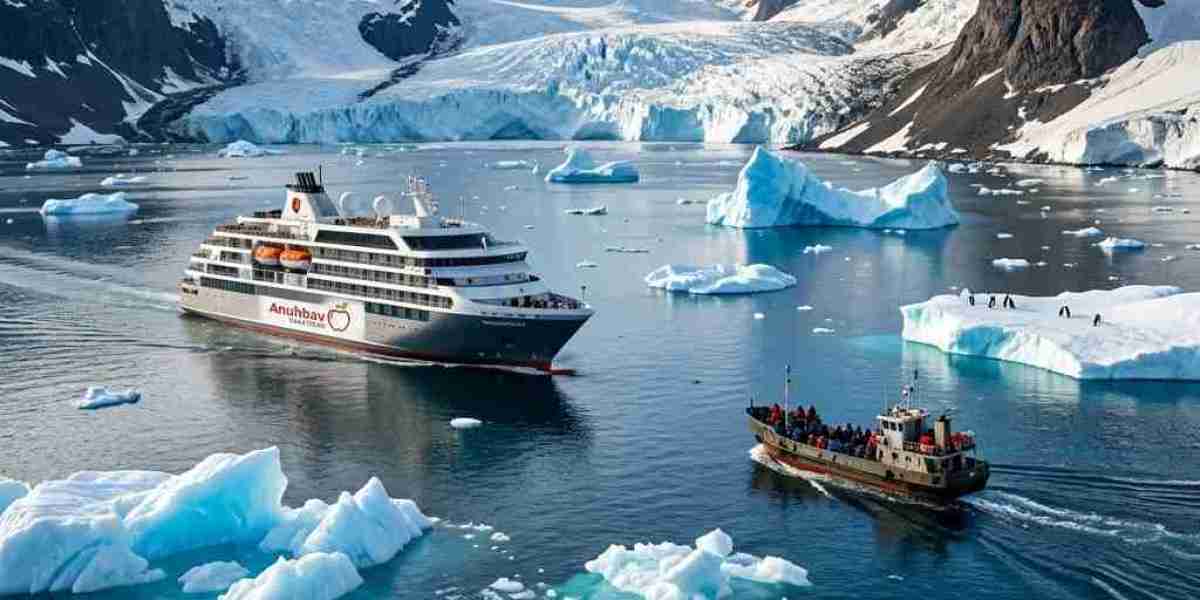
An Antarctica tour package offers an extraordinary opportunity to explore icy landscapes, towering glaciers, enormous icebergs, and remote polar wildlife. For travelers who enjoy scenic journeys across the water, the voyage itself can be one of the most memorable parts of the adventure. Although conventional passenger ferries are not the usual way to travel around Antarctica, expedition ships cross spectacular stretches of the Southern Ocean, navigate scenic Antarctic channels, and provide opportunities to observe whales, seabirds, and dramatic coastal scenery. Travelers can also consider adding ferry crossings in southern Patagonia before or after their Antarctic expedition.
The distinction is important when planning a holiday. An Antarctic voyage generally involves an expedition ship rather than a scheduled ferry service. However, travelers can experience different types of water journeys throughout the wider region, from the legendary Drake Passage to sheltered channels between Antarctic islands and ferry routes connecting destinations in Patagonia. Combining these experiences can create a varied itinerary filled with remarkable scenery, maritime history, and wildlife encounters.
Are Ferry Crossings Available in Antarctica?
Antarctica does not have a conventional public ferry network connecting towns and settlements. The continent has no permanent civilian population or established network of tourist towns that would require regular passenger ferries.
Instead, most visitors travel aboard expedition cruise ships departing from gateways in southern South America, particularly Ushuaia in Argentina. These vessels cross the Southern Ocean to reach the Antarctic Peninsula and nearby islands. Once in Antarctic waters, the expedition team selects suitable routes and landing locations according to weather, sea ice, wildlife conditions, and operational requirements.
Although these voyages are not ferry services, they can provide many of the scenic experiences travelers associate with ferry travel. Guests can watch rugged mountains emerge from the mist, observe icebergs floating across blue water, and enjoy views of glaciers descending towards the sea.
Travelers should therefore understand that an Antarctic cruise and a conventional ferry crossing are different forms of transportation. The cruise is part of an organised polar expedition, while ferry services generally operate on defined routes between accessible ports or coastal communities.
The Drake Passage: A Memorable Ocean Crossing
One of the most famous water crossings associated with an Antarctic journey is the Drake Passage, which lies between the southern tip of South America and the Antarctic Peninsula.
The crossing typically takes around 48 hours, although the duration depends on the vessel, route, and sea conditions. It is known for its unpredictable weather and can experience substantial waves and strong winds. On calmer days, travelers may enjoy a relatively smooth voyage; on rougher days, movement aboard the ship can be significant.
Despite its reputation, the Drake Passage is an exciting part of the expedition for many travelers. The open ocean provides opportunities to observe albatrosses, petrels, and other seabirds gliding above the waves. Dolphins or whales may also appear, although wildlife sightings cannot be guaranteed.
During the crossing, expedition teams often organise educational presentations about Antarctic wildlife, geology, oceanography, and polar exploration. Travelers can also attend safety briefings, prepare their equipment, and learn about the environmental guidelines that govern visits to Antarctica.
The Drake Passage is not a ferry route, but it is an essential part of many traditional ship-based Antarctic itineraries.
Scenic Channels and Waterways Around Antarctica
Once an expedition reaches the Antarctic Peninsula, the scenery often becomes more sheltered and visually dramatic. Depending on the itinerary and conditions, ships may navigate narrow channels, protected bays, and waters surrounded by glaciers and snow-covered peaks.
These areas can provide some of the most impressive views of an Antarctic expedition.
1. Lemaire Channel
Lemaire Channel is famous for its striking scenery, with steep mountain slopes rising above narrow waters. When conditions and the itinerary permit passage, travelers may see reflections of snow-covered peaks, icebergs drifting through the channel, and seabirds flying above the water.
The channel is sometimes described as one of the most photogenic locations in Antarctica. However, access depends on ice conditions, weather, and the expedition's route. Ships may need to change plans when navigation becomes unsafe.
2. Gerlache Strait
Gerlache Strait is another scenic waterway in the Antarctic Peninsula region. Its waters are surrounded by rugged mountains, glaciers, and islands that provide habitat for seabirds and marine mammals.
As the expedition vessel moves through the area, passengers may be able to observe the landscape from outdoor decks or designated viewing areas.
Whales may occasionally be seen feeding in these waters, while penguins can sometimes be spotted swimming near the ship. Wildlife activity varies, so travelers should approach each observation as a possibility rather than a guarantee.
3. Paradise Bay
Paradise Bay is known for its dramatic coastal scenery, including glaciers, ice-covered mountains, and floating ice formations. When included in an itinerary, the area can offer excellent opportunities for photography and small-boat excursions.
Some expeditions use inflatable Zodiac boats to explore suitable coastal areas more closely. These excursions are not ferry services; they are guided activities conducted under the expedition team's safety and environmental procedures.
The combination of quiet water, immense ice formations, and remote surroundings can make a visit to Paradise Bay a memorable part of an Antarctic voyage.
Can Travelers Enjoy Small-Boat Excursions?
Yes. Many expedition cruises include guided Zodiac excursions when weather, sea conditions, and the itinerary allow.
Zodiac boats are small, motorised inflatable craft designed for use in suitable expedition environments. They can transport passengers between the ship and approved landing sites or allow guided exploration of coastal waters.
During an excursion, travelers may see icebergs from a closer perspective, observe seabirds, and appreciate the scale of the surrounding glaciers. Some excursions focus on wildlife observation, while others may be used to reach designated shore-landing locations.
These activities are different from ferry crossings because they are generally short, guided excursions rather than scheduled passenger transportation.
Before booking, travelers should check whether Zodiac excursions are included in the cruise fare, whether any additional activities cost extra, and whether there are mobility or fitness requirements. Participation can be affected by weather, waves, and the operator's safety assessment.
Can an Antarctica Tour Package Include Scenic Ferry Crossings in Patagonia?
Yes. Travelers who want to experience conventional ferry crossings can consider adding a southern Patagonia extension before or after their Antarctic expedition.
Patagonia spans parts of Argentina and Chile and contains fjords, islands, lakes, straits, and remote coastal communities. Ferry services operate on selected routes, helping connect places that would otherwise require longer road journeys.
One important example is the crossing of the Strait of Magellan, which separates mainland South America from the main island of Tierra del Fuego. Travelers driving towards Ushuaia may need to use a ferry as part of their overland route, depending on the selected itinerary.
The crossing offers a different perspective on southern Patagonia's landscapes. Passengers may see open water, distant coastlines, and seabirds while travelling between points on the route. Conditions can be windy, and schedules may be affected by the weather.
Travelers should not assume that every Antarctic holiday includes a Patagonia ferry excursion. The crossing must be arranged as part of the mainland travel plan and confirmed with the relevant transport operator.
Exploring the Strait of Magellan
The Strait of Magellan is one of the most historically significant waterways in southern South America. It connects the Atlantic and Pacific oceans through a complex network of channels and islands.
The strait became particularly important during the age of maritime exploration, when sailors searched for navigable routes between the oceans. Today, it remains an important feature of regional transport and tourism.
For travelers arriving in Punta Arenas or travelling overland towards Tierra del Fuego, a ferry crossing can be a memorable addition to a broader Patagonia itinerary.
Depending on the route and weather, passengers may enjoy views of the coastline and surrounding waters. However, not every ferry crossing is designed as a sightseeing cruise. Some operate primarily as transport services, so travelers should check the route, duration, onboard facilities, and available viewing areas before booking.
A journey through this region can complement an Antarctic expedition by introducing travelers to the maritime history and geography of southern South America.
What Is the Difference Between an Antarctic Cruise and a Patagonia Ferry?
Although both involve travelling across water, the experiences are quite different.
An Antarctic expedition cruise is designed around exploring a remote polar environment. It generally includes accommodation aboard the ship, meals, expert presentations, and planned wildlife-viewing opportunities. Depending on the vessel and itinerary, passengers may also participate in Zodiac excursions and guided shore landings.
A Patagonia ferry crossing, by comparison, generally connects specific locations across a strait, channel, or other body of water. The journey may be relatively short and can form part of a wider road or regional travel itinerary.
The main differences include:
Purpose: Antarctic cruises focus on polar exploration, while ferries primarily transport passengers and sometimes vehicles.
Duration: Antarctic voyages usually last several days or weeks, while ferry crossings may take considerably less time.
Accommodation: Expedition ships provide overnight accommodation; conventional ferries may offer only passenger seating and limited facilities.
Activities: Antarctic cruises may include wildlife excursions, educational programmes, and shore landings. Ferry crossings generally focus on transportation.
Planning: Antarctic cruises require advance planning around expedition dates, while ferry journeys must be scheduled according to the route and service timetable.
Understanding these differences helps travelers select the right activities and avoid expecting a scheduled ferry service in a destination primarily explored through expedition vessels.
When Is the Best Time for Scenic Water Journeys?
Most Antarctic tourism takes place during the Southern Hemisphere's warmer months, broadly from October to April. The Antarctic Peninsula is generally most accessible during this period, although the exact season varies by route and operator.
November through March is a popular period for many Antarctic Peninsula expeditions. During the season, visitors may experience changing daylight hours, shifting sea ice, and different wildlife activity.
The best time for a Patagonia ferry crossing depends on the route, transport operator, and weather. Some services operate throughout the year, while others have seasonal schedules or reduced departures during challenging conditions.
Travelers should confirm both the Antarctic cruise dates and the mainland ferry timetable before finalising their itinerary. Allowing extra time between journeys is sensible because adverse weather can disrupt transport.
How to Prepare for Scenic Boat Journeys
Preparation can make both Antarctic cruises and Patagonia ferry crossings more comfortable.
Pack Suitable Clothing
Antarctic deck conditions can be cold and windy, so layered clothing, a warm hat, gloves, and a windproof outer layer are useful. Follow the expedition operator's specific packing guidance, particularly if Zodiac excursions or shore landings are included.
For a Patagonia ferry crossing, dress for changing coastal weather. Even during warmer months, wind can make the journey feel colder than expected.
Prepare for Possible Seasickness
The Drake Passage can experience rough seas. Travelers who are concerned about motion sickness should speak with a healthcare professional before departure about appropriate prevention options.
Follow the ship's safety guidance and take extra care when moving around the vessel during rough conditions.
Check Timetables and Travel Connections
Confirm ferry departure times, crossing durations, vehicle requirements, and check-in procedures before travelling. If the ferry is part of a longer road journey, allow sufficient time for border formalities where applicable.
For Antarctic expeditions, arrive at the departure city with a suitable buffer before embarkation and avoid tight onward connections immediately after the scheduled return.
Respect Wildlife and the Environment
During Antarctic excursions, follow the expedition team's instructions and maintain the required distance from wildlife. Do not feed animals, leave waste behind, or enter restricted areas.
On Patagonia ferry routes, observe local safety rules and respect instructions from the crew. Responsible travel helps protect the environments that make these journeys special.
How to Choose the Right Antarctica Tour Package
When comparing Antarctica tour packages, look beyond the destination name and examine the actual route.
Check whether the voyage includes the Drake Passage, which Antarctic Peninsula locations are planned, and whether guided Zodiac excursions or shore landings are part of the programme. Ask how the operator handles weather-related itinerary changes and what activities may incur additional fees.
If scenic ferry crossings are also a priority, ask whether the itinerary can be combined with time in Ushuaia, Punta Arenas, or other parts of Patagonia. A separate mainland extension may be necessary to include the Strait of Magellan ferry or another suitable route.
Travelers departing from India should also review international flights, transit requirements, travel insurance, and the time needed to reach the Antarctic departure port.
A carefully planned journey can combine the dramatic ocean crossing to Antarctica with a scenic ferry trip through Patagonia, offering two distinct ways to experience the southern world's remarkable waterways.
Conclusion
Scenic water journeys are an important part of an Antarctic holiday, but conventional passenger ferries do not operate as a regular transport network in Antarctica. Instead, travelers explore the continent aboard expedition ships, crossing the Drake Passage and, when conditions allow, navigating spectacular channels and bays surrounded by icebergs, glaciers, and mountains.
Travelers who want a traditional ferry experience can add a suitable Patagonia crossing, such as a route across the Strait of Magellan, before or after their polar voyage. This combination offers a broader perspective on the landscapes and maritime history of the southern regions.
When planning with Anubhav Vacations, travelers can ask about combining an Antarctic expedition with a Patagonia extension, ensuring that cruise arrangements, ferry schedules, accommodation, and transfers are confirmed before departure.
Frequently Asked Questions
1. Are conventional ferry services available in Antarctica?
No. Antarctica does not have a regular public ferry network. Most tourists explore the continent aboard expedition ships, with small-boat excursions available on suitable itineraries and in appropriate conditions.
2. Can an Antarctica tour package include scenic ocean crossings?
Yes. An Antarctica tour package generally includes a sea voyage to the Antarctic Peninsula, often involving the Drake Passage. Depending on the route, travelers may also see scenic channels, glaciers, icebergs, and marine wildlife.
3. Can travelers take a ferry across the Strait of Magellan?
Yes. Ferry services operate on selected routes across the Strait of Magellan in southern Chile. The crossing may be included in an overland journey through Patagonia, but it is separate from the Antarctic expedition itself.
4. What wildlife might travelers see during Antarctic sea journeys?
Depending on the route and conditions, travelers may spot albatrosses, petrels, penguins, dolphins, and whales. Wildlife sightings are natural events and cannot be guaranteed.
5. When is the best time to book an Antarctic cruise?
Many Antarctic Peninsula cruises operate between October and April, with November through March popular for expedition travel. The best departure depends on the route, wildlife interests, vessel, and operator's schedule.


