A signed customer contract represents commercial success, but it does not necessarily represent revenue that can immediately appear on a company's income statement. Accounting teams must determine what was promised, when contractual obligations are fulfilled, and how transaction values should be recognized.
This distinction becomes difficult when contract information remains in Salesforce while financial processing happens in NetSuite.
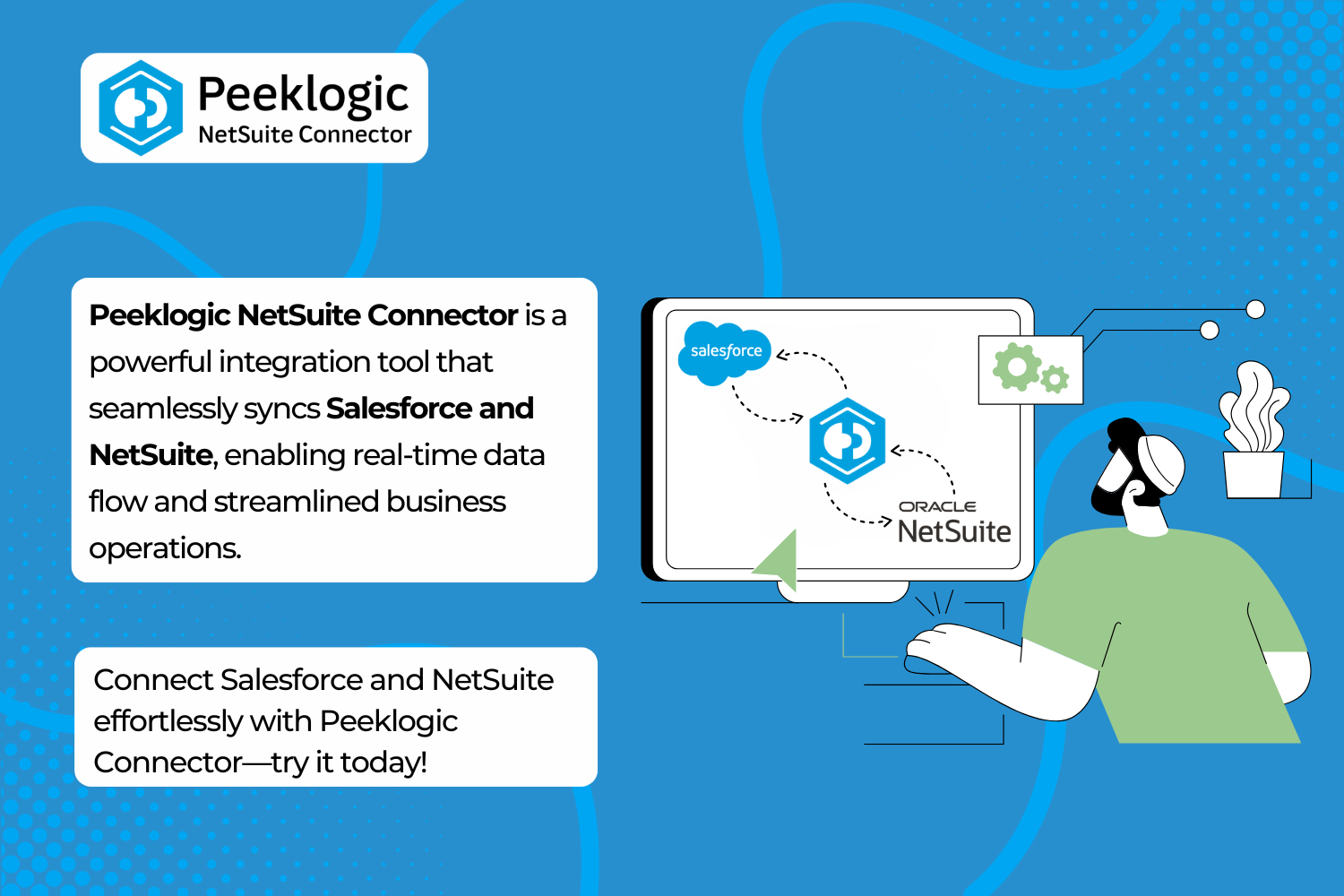
Netsuite salesforce connector helps businesses connect sales agreements, transaction details, and fulfillment evidence with accounting workflows. The resulting information trail can support more accurate revenue schedules, stronger internal controls, and better preparation for financial audits.
Why Revenue Recognition Starts With Contract Information
Revenue recognition depends on the economic substance of customer agreements, not simply their sales status.
A Salesforce Opportunity may contain negotiated pricing, subscription periods, implementation commitments, and additional services. These details can influence how finance departments account for the resulting transaction.
Under accounting frameworks such as ASC 606 and IFRS 15, organizations generally recognize revenue as they satisfy identified performance obligations.
For example, a software contract containing an implementation service and ongoing support may require separate accounting treatment for its components.
Transferring accurate agreement details into NetSuite helps finance teams evaluate these obligations without reconstructing commercial discussions from disconnected documents.
Connecting Salesforce Transactions With NetSuite Revenue Records
A properly configured integration establishes relationships between Salesforce commercial records and the resulting NetSuite transactions.
Approved opportunities or orders can supply information for NetSuite sales orders, subject to business validation.
Relevant data includes customer identifiers, transaction amounts, contract dates, product descriptions, discounts, and agreed service periods.
Preserving Transaction References
Unique identifiers should connect the originating Salesforce records with corresponding NetSuite transactions.
These references help accountants trace a financial entry back to the commercial agreement that initiated it.
When contracts change, employees can identify the related records and investigate whether financial adjustments are necessary.
Without reliable matching, duplicate transactions or undocumented amendments can make reconciliation considerably more difficult.
Supporting Revenue Allocation and Recognition Schedules
NetSuite Advanced Revenue Management provides capabilities for managing revenue arrangements, revenue elements, and recognition plans when the relevant features are enabled.
These records help organizations apply configured accounting policies to eligible financial transactions.
A netsuite salesforce connector can supply commercial inputs, but revenue calculations should remain governed by approved financial rules.
For example, an agreement involving equipment delivery and twelve months of support may contain obligations satisfied at different times.
Finance teams must determine appropriate transaction-price allocation and recognition patterns.
Automation can reduce administrative work, although professional accounting judgment remains necessary when arrangements involve unusual terms or complex obligations.
Using Fulfillment Evidence to Support Accounting Decisions
Revenue recognition may depend on delivery milestones, service completion, or progress toward contractual obligations.
Salesforce can provide information about customer agreements and business commitments, while NetSuite may contain operational transactions and fulfillment records.
Connecting these sources improves visibility into whether relevant activities have occurred.
Distinguishing Delivery From Revenue Recognition
A shipped product, completed project milestone, or activated subscription may provide evidence relevant to revenue recognition.
However, these events do not automatically establish that revenue should be recognized.
Accounting policies must determine whether the applicable performance obligation has been satisfied.
Organizations should validate milestone information before allowing it to influence financial processing.
Strengthening Approval Controls Over Financial Changes
Contract amendments can introduce significant accounting consequences.
A revised discount, extended service period, or additional deliverable may affect transaction values and recognition schedules.
Integration workflows should identify changes requiring financial review.
For example, an account manager modifying an approved contract in Salesforce should not automatically overwrite finalized accounting information.
Instead, material changes can trigger an approval process involving authorized finance personnel.
Documented approval decisions help prevent unauthorized adjustments and clarify responsibility for financial outcomes.
Creating Audit-Ready Records Across Both Platforms
Financial audits frequently require organizations to demonstrate how recorded revenue relates to customer agreements and supporting business activities.
Connected systems can improve traceability by preserving transaction identifiers, approval histories, and relevant contract references.
A useful audit trail should identify the original commercial record, subsequent amendments, responsible approvers, and related financial transactions.
Supporting documents should remain accessible to authorized reviewers.
However, synchronization alone does not establish compliance. Organizations must maintain appropriate accounting policies, record retention procedures, and internal controls.
Regular reconciliation helps identify missing references and inconsistencies before reporting deadlines.
Improving Financial Visibility Without Compromising Accuracy
Salesforce and NetSuite provide different perspectives on business performance.
Salesforce reflects commercial pipeline activity and customer commitments, while NetSuite supports accounting records and recognized revenue reporting.
These measures should remain distinguishable.
An integration can help business leaders understand differences between contracted amounts, billed transactions, and recognized revenue.
Administrators should monitor failed transfers, incomplete contract information, and transaction discrepancies.
Periodic reviews also help ensure integration mappings remain accurate when products, accounting requirements, or approval procedures change.
Effective Salesforce NetSuite integration gives finance teams a dependable connection to the commercial information behind financial transactions.