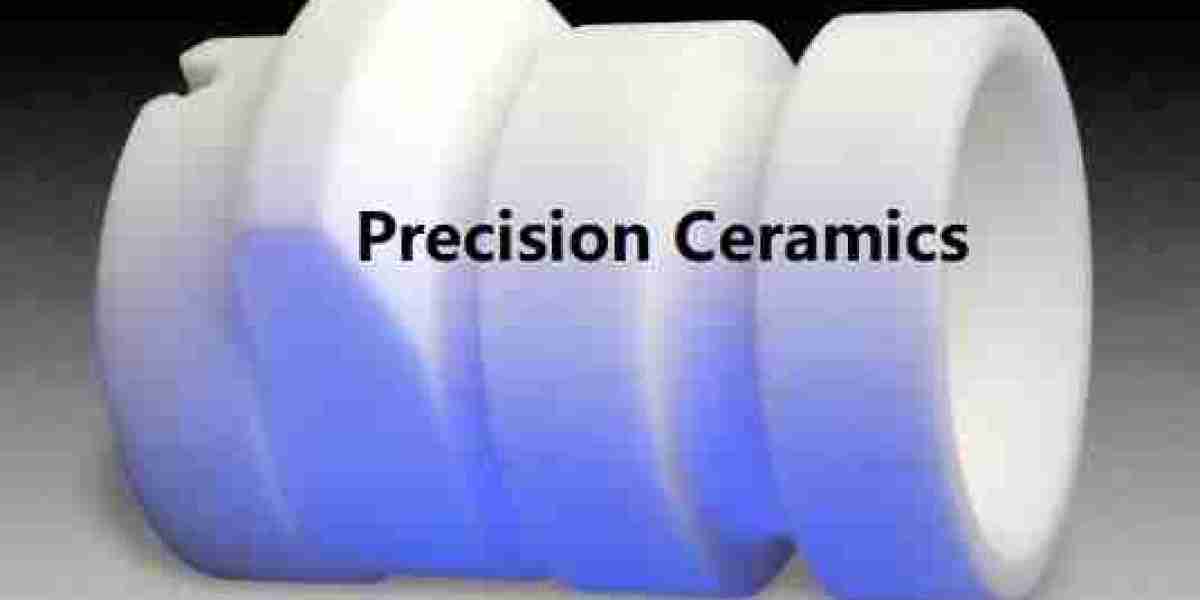
In modern manufacturing, material selection plays an important role in product reliability, operational stability, and service life, making Zirconia Ceramics a valuable option for demanding engineering environments. When designers evaluate Zirconia Ceramics, they often focus on toughness, wear resistance, and dimensional stability to meet specific application requirements. These advanced materials are used in various industrial components where conventional materials may struggle with repeated friction, mechanical stress, or challenging operating conditions. Understanding their properties helps engineers select suitable ceramic solutions for precision equipment and specialized production systems.
Understanding the Material Properties
Zirconia is an advanced technical ceramic known for its combination of strength and fracture toughness. Unlike many traditional ceramics, zirconia can resist crack propagation through a transformation-toughening mechanism. This characteristic makes it suitable for components exposed to repeated mechanical loads or contact stress.
Its hardness also contributes to resistance against abrasion and surface damage. Depending on the selected formulation and manufacturing process, zirconia components can provide reliable performance in applications that require consistent contact surfaces. Engineers should still evaluate operating temperature, chemical exposure, and loading conditions before choosing a specific grade.
Applications Across Industrial Sectors
Zirconia components are used in machinery, automation systems, medical equipment, and precision manufacturing. Their wear-resistant characteristics make them useful for shafts, sleeves, valves, bearings, guides, and other parts that experience regular movement or friction.
In fluid handling equipment, selected zirconia components may help maintain stable operation in areas where conventional materials experience wear. In automated production lines, ceramic parts can support precise movement and reduce the need for frequent replacement. The most appropriate component design depends on the mechanical demands, surrounding environment, and required service life of the finished equipment.
ZFCera Solutions for Precision Manufacturing
Selecting a suitable ceramic supplier involves more than comparing material names. Dimensional accuracy, surface finish, production consistency, and inspection procedures all influence the final component's performance. Clear technical communication also helps manufacturers match ceramic properties to the intended application.
Zirconia parts may require specialized grinding and finishing to achieve close tolerances. Engineers should provide drawings, dimensions, operating conditions, and relevant performance expectations during the quotation process. Reviewing these details early can help identify potential manufacturing challenges and reduce unnecessary adjustments during assembly.
For customized projects, coordination between product designers and ceramic manufacturers is especially important. Material grade, component geometry, and finishing requirements should be considered together rather than treated as separate decisions.
Improving Wear Resistance and Component Life
Component wear can affect equipment accuracy, maintenance schedules, and production continuity. Zirconia may help address these challenges in applications where friction and repeated contact are major concerns. Its hardness supports surface durability, while its toughness can provide an advantage in designs where brittle fracture is a concern.
However, performance depends on the complete operating system. Incorrect installation, excessive impact, unsuitable clearances, or unexpected thermal changes can still cause damage. Engineers should assess lubrication, mating materials, load distribution, and environmental exposure to determine whether zirconia is appropriate for each application.
Regular inspection remains useful even when advanced ceramics are selected. Monitoring wear patterns and checking component alignment can help manufacturers identify issues before they affect the wider system.
Choosing the Right Ceramic Component
A practical selection process begins with the function of the component and the conditions it will encounter. Buyers should define load requirements, dimensional tolerances, surface specifications, and expected operating cycles. These details allow suppliers to recommend a suitable material grade and manufacturing approach.
Prototype evaluation may also help confirm that the component fits correctly and performs as expected under actual working conditions. For production orders, consistent quality control and communication about design changes are essential to maintaining reliable results.
Businesses seeking technical ceramic solutions can explore material options and manufacturing capabilities at https://www.zfcera.com/. By aligning component requirements with appropriate material properties, engineers can develop durable designs for demanding industrial applications.