How Regular Equipment Maintenance Improves Safety and Efficiency in the Petroleum Industry
In the petroleum industry, even a small equipment problem can lead to costly downtime, production delays, and serious safety concerns. Pumps, valves, compressors, pipelines, and other essential components must operate reliably to keep daily operations running smoothly. For this reason, regular maintenance is not simply an optional task. It is an important part of managing an efficient and dependable petroleum operation.
Many companies focus on production targets while overlooking early signs of mechanical wear. However, identifying problems before they become major failures can save money, protect workers, and extend equipment life. Understanding the value of professional maintenance helps businesses make better decisions about their equipment and long-term operating costs.
Why Equipment Maintenance Matters in Petroleum Operations
Petroleum facilities depend on machinery that often operates under demanding conditions. High pressure, temperature changes, vibration, corrosion, and continuous use can gradually damage mechanical components. Without proper inspection and servicing, these conditions may cause equipment to perform poorly or fail unexpectedly.
A well-planned maintenance program helps companies identify developing problems before they interrupt operations. Technicians can inspect critical components, replace worn parts, check operating conditions, and confirm that equipment continues to meet performance requirements.
Regular servicing also makes maintenance expenses more predictable. Instead of facing an emergency repair that disrupts an entire operation, businesses can schedule necessary work around production requirements. This approach supports better planning and reduces avoidable interruptions.
Common Equipment Problems That Require Attention
Petroleum equipment can experience several types of mechanical and operational problems. Recognizing the warning signs early helps maintenance teams respond before the situation becomes more serious.
Pump and Compressor Failures
Pumps and compressors play important roles in moving fluids and gases through industrial systems. Worn seals, damaged bearings, lubrication problems, and excessive vibration can reduce their performance. Operators may notice unusual sounds, higher operating temperatures, pressure fluctuations, or reduced output.
Ignoring these symptoms can increase component damage and lead to unexpected shutdowns. Routine inspections and timely servicing help maintain reliable operation.
Valve and Pipeline Issues
Valves regulate flow and pressure throughout petroleum facilities. Over time, internal wear, corrosion, and seal deterioration may cause leakage or prevent valves from operating correctly.
Pipeline systems also require attention because corrosion, loose connections, and damaged fittings can create operational and environmental risks. Regular inspections help identify visible damage and other conditions that require further investigation.
Hydraulic and Mechanical System Problems
Hydraulic equipment relies on appropriate fluid levels, clean components, and properly functioning seals. Contamination, leaks, and pressure irregularities can affect performance and damage connected machinery.
Mechanical assemblies may also experience alignment problems, worn bearings, or loose fasteners. Addressing these issues promptly helps prevent unnecessary stress on surrounding components.
The Role of Professional Petroleum Equipment Repair
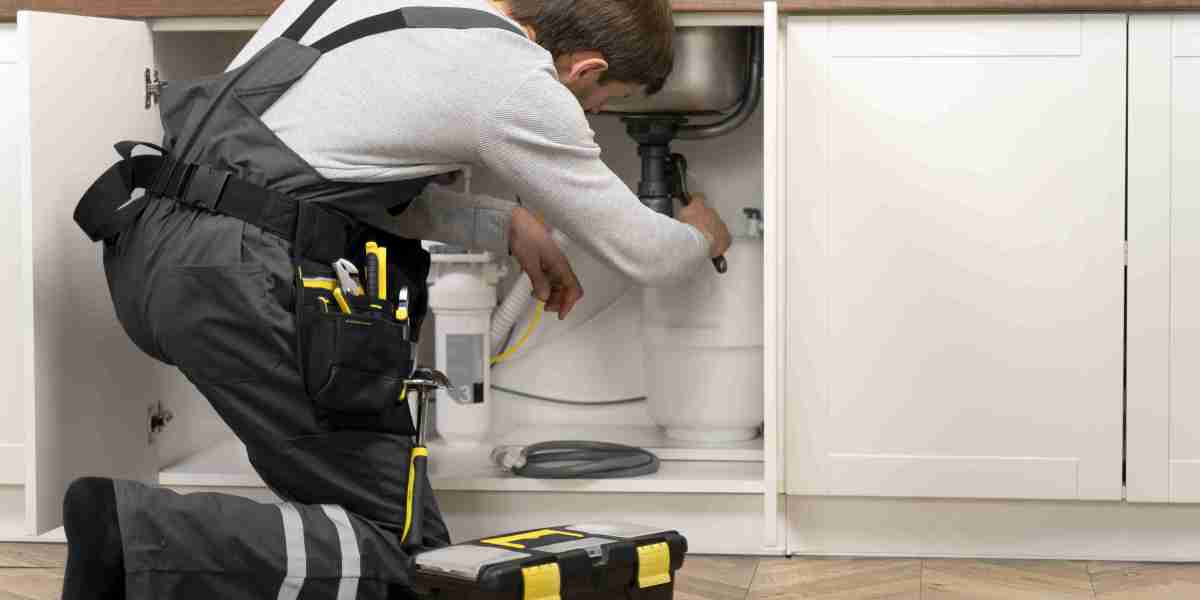
When equipment develops a fault, choosing an appropriate repair solution is essential. Professional petroleum equipment repair services can help businesses identify mechanical problems, restore equipment functionality, and reduce the risk of recurring failures.
Experienced technicians typically begin by assessing the equipment's condition and determining the likely cause of the problem. This diagnostic process is important because replacing a damaged component without correcting the underlying issue may only provide a temporary solution.
Depending on the equipment and the nature of the fault, repairs may involve replacing seals, servicing mechanical assemblies, correcting alignment, addressing hydraulic issues, or restoring damaged components. The appropriate procedure depends on manufacturing requirements, operating conditions, and applicable safety standards.
Professional repair work can also help maintenance teams determine whether a component should be repaired or replaced. Equipment age, parts availability, repair costs, and the consequences of another failure all influence this decision.
Businesses should select service providers with relevant technical experience, appropriate tools, and clear inspection procedures. Before work begins, they should understand the proposed scope, expected turnaround time, and testing requirements.
Preventive Maintenance Versus Emergency Repairs
One of the most effective ways to control equipment costs is to focus on preventive maintenance rather than relying entirely on emergency repairs.
Preventive maintenance involves performing inspections and servicing at planned intervals. These activities may include lubrication, cleaning, filter replacement, seal inspection, vibration monitoring, and checking operating temperatures. Maintenance schedules should reflect equipment specifications, usage levels, operating conditions, and previous failure history.
Emergency repairs, by contrast, are required when equipment breaks down unexpectedly. These situations may require urgent technical support, expedited replacement parts, and unplanned production stoppages.
Although preventive maintenance requires time and resources, it can reduce the likelihood of disruptive failures. It also allows companies to arrange labor and spare parts before work becomes urgent.
A practical maintenance strategy should combine scheduled inspections with condition monitoring and prompt investigation of abnormal equipment behavior. This balanced approach helps businesses identify developing issues without replacing components unnecessarily.
How Proper Maintenance Improves Workplace Safety
Safety should remain a priority whenever petroleum equipment is inspected, serviced, or repaired. Mechanical failures can expose workers to hazardous pressure, hot surfaces, moving machinery, leaks, and other dangerous conditions.
Routine maintenance helps identify potential hazards before they lead to injuries or environmental incidents. However, maintenance activities themselves must also be managed carefully.
Before technicians begin work, equipment should be isolated from relevant energy sources and secured according to established lockout and tagout procedures. Where applicable, systems must be depressurized, drained, and verified safe before components are opened.
Workers should use suitable personal protective equipment and follow approved procedures for the specific task. Repairs involving hazardous materials, confined spaces, electrical systems, or pressure equipment may require additional controls and qualified personnel.
After maintenance, equipment should undergo appropriate inspection and functional testing before being returned to service. Clear documentation of completed work, outstanding defects, and safety checks helps ensure that everyone involved understands the equipment's condition.
Choosing the Right Repair Service Provider
Selecting a reliable service provider can influence both repair quality and equipment availability. Petroleum businesses should evaluate several factors before committing to a maintenance or repair arrangement.
Technical experience: Look for technicians familiar with the relevant equipment types and operating environments. Experience with similar machinery can help them diagnose faults more efficiently.
Diagnostic capabilities: A suitable provider should have the tools and technical knowledge needed to investigate the cause of failure rather than simply replace visibly damaged parts.
Safety practices: Ask about work procedures, personnel qualifications, equipment isolation, and inspection requirements. Safety should be part of every stage of the repair process.
Parts and turnaround time: Availability of suitable replacement parts can affect how quickly equipment returns to service. Discuss expected lead times and whether alternative components meet the required specifications.
Documentation and communication: Clear service reports, repair records, test results, and recommendations make it easier to track equipment condition and plan future maintenance.
Comparing these factors helps businesses choose a provider based on quality and reliability rather than price alone.
Managing Repair Costs and Equipment Lifespan
Repair costs involve more than the amount paid to a technician. Businesses must also consider downtime, lost production, replacement components, transportation, and the possibility of repeated failures.
A low-cost repair may become expensive if it does not resolve the original problem. Conversely, a carefully planned repair using suitable components can restore performance and delay the need for a larger capital investment.
Keeping accurate maintenance records makes these decisions easier. Companies can track recurring faults, component life, repair frequency, and equipment downtime. This information helps identify machinery that requires closer monitoring or may be approaching the end of its useful life.
Spare-parts planning is another important consideration. Critical components with long delivery times may need to be stocked in advance, particularly when their failure could stop essential operations.
Businesses should also compare the long-term cost of repairing older equipment with the cost of replacement. The final decision should consider safety, reliability, energy efficiency, expected service life, and compatibility with existing systems.
Conclusion
Reliable petroleum operations depend on equipment that is properly maintained, regularly inspected, and repaired when problems arise. An approach helps companies reduce unexpected downtime, proactively manage maintenance budgets, protect employees, and improve operational efficiency.
By combining preventive maintenance with professional repair services, businesses can address mechanical issues before they develop into larger problems. Careful provider selection, consistent safety procedures, accurate maintenance records, and timely replacement of worn components all contribute to better equipment performance.