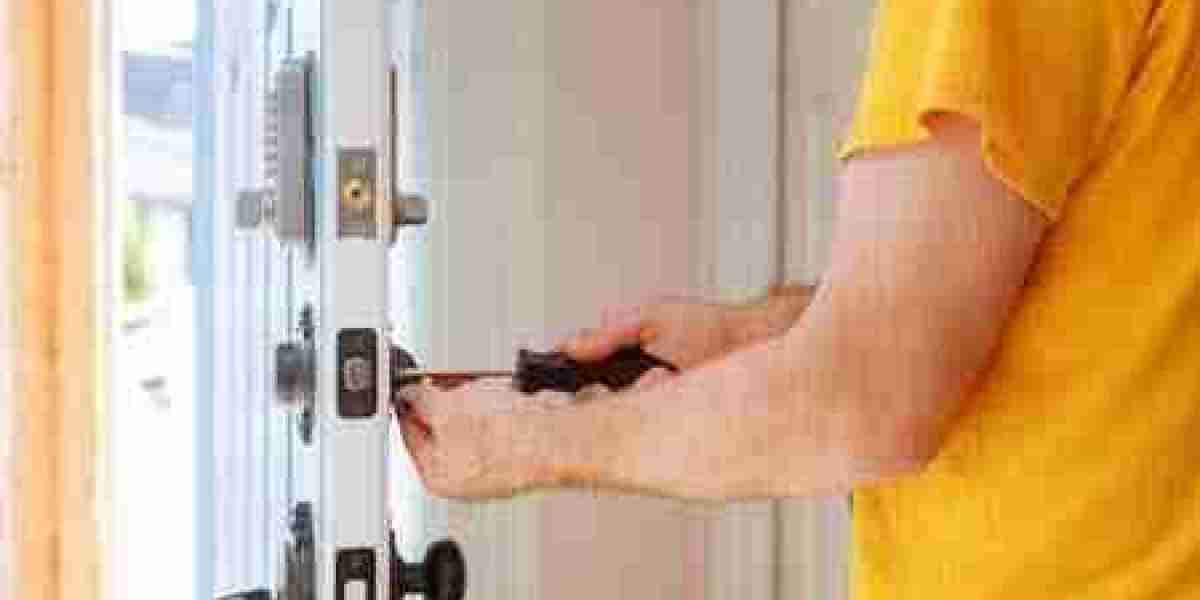
Replacing an old door lock with a new, high-quality model should normally improve the door's reliability. Yet sometimes a newly installed lock can still feel stiff, fail to latch correctly, or become difficult to operate.
When this happens, the immediate assumption is often that the new lock is defective.
That is not necessarily the case.
A good-quality lock can perform poorly if it is incorrectly sized, poorly aligned, installed on an unsuitable door, or combined with existing hardware that is no longer positioned correctly.
A door lock is not an isolated component. It works as part of a complete system involving the door, frame, hinges, latch, strike plate, cylinder, handles, and installation measurements.
This is why understanding the installation itself is just as important as choosing good hardware.
For homeowners considering door lock replacement services, knowing what can go wrong can help prevent an expensive replacement from failing for reasons unrelated to the quality of the lock.
The Lock May Be Good but the Measurements May Be Wrong
One of the first things that can cause problems is incorrect measurement.
Door locks are manufactured according to specific dimensions.
These can include:
Door thickness
Backset
Lock body dimensions
Cylinder size
Faceplate dimensions
Handle spacing
Mounting-hole positions
A replacement lock can be perfectly functional but still be unsuitable for a particular door if these measurements do not match.
Even a small dimensional mismatch can affect how the latch sits inside the door or how the cylinder aligns with the existing hardware.
This is why a professional should assess the door before selecting replacement hardware.
Door Thickness Matters
A replacement lock needs to be suitable for the thickness of the door.
If the door is thicker or thinner than the range supported by the lock, the installation may not function as intended.
The problem can appear in different ways.
The cylinder may not sit correctly. The handles may not tighten properly. The internal mechanism may not align with the door's existing cut-out.
The lock itself may be excellent, but the installation is still unsuitable.
This is one reason buying a lock based only on its appearance or advertised features can create problems.
Backset Compatibility Is Important
Backset refers to the distance between the edge of the door and the centre of the lock or handle.
If the new lock has a different backset from the existing setup, the installation may require modifications.
If the position is not established correctly, the latch may not align properly with the strike plate.
The door can then become difficult to close or lock.
A professional installation should take these dimensions into account before the replacement hardware is fitted.
The Strike Plate Can Cause Problems
The strike plate is located on the door frame and receives the latch or bolt when the door closes.
Even if the new lock is installed correctly inside the door, the strike plate may no longer line up with the new latch position.
This can create resistance.
You may notice that the door closes normally but the latch does not enter smoothly.
Alternatively, the key may become harder to turn when the door is fully closed.
The problem may therefore be with the relationship between the new lock and the frame rather than the lock itself.
Door Alignment Can Change Everything
A door needs to sit correctly within its frame.
If the door is sagging, shifted, or affected by loose hinges, the locking components may not meet the frame correctly.
This can become especially noticeable after a lock replacement because the new hardware may have slightly different dimensions or tolerances from the previous lock.
A lock that worked with an old installation may have tolerated certain alignment issues that become more noticeable with the new hardware.
This does not necessarily mean the new lock is inferior.
It may mean the door requires adjustment.
Loose Hinges Can Affect a New Lock
Hinges support the door and determine how it sits within the frame.
If one or more hinges are loose, worn, or incorrectly positioned, the door may move slightly when opened and closed.
That movement can change the position of the latch relative to the strike plate.
The result can be a lock that appears to work when the door is open but becomes difficult to operate when the door is closed.
A complete installation assessment should therefore consider the hinges as well.
Existing Door Damage Can Complicate Replacement
Older doors may already have enlarged holes, damaged timber, worn mounting points, or previous modifications.
If a lock has been replaced several times, the door may contain several layers of previous installation work.
Installing another lock without assessing these areas can result in loose hardware or poor alignment.
In some cases, the door itself may require preparation before the new lock can be installed correctly.
The Handle and Lock Need to Work Together
Some door systems combine handles, cylinders, latches, and locking mechanisms.
Changing one component without considering the others can create compatibility problems.
For example, a replacement cylinder may fit physically but not interact correctly with the existing lock body.
Similarly, changing a lock body may affect the operation of the existing handles.
The components need to work together as a complete system.
A Good Lock Cannot Fix a Poor Installation
Installation quality is one of the most important factors in the performance of replacement hardware.
A high-quality lock that is mounted incorrectly may not perform as expected.
The lock needs to sit securely, the latch needs to move freely, the cylinder needs to align properly, and the strike area needs to correspond with the locking mechanism.
If any of these elements are incorrect, the final result can be disappointing regardless of how good the hardware is.
Why Forcing the Door Is a Bad Sign
After replacement, the door should not require excessive force to lock.
If you need to push, pull, lift, or slam the door before the lock operates, something should be investigated.
Repeatedly forcing the door can place unnecessary stress on the latch, bolt, cylinder, and surrounding hardware.
It can also make a relatively small alignment issue worse over time.
A new lock should be tested under normal operating conditions before the installation is considered complete.
What If the Key Is Difficult to Turn?
A difficult key does not automatically indicate a faulty cylinder.
The key may be perfectly cut while the locking bolt is under pressure from the frame.
This is why a useful test is to compare the lock operation with the door open and closed.
If the key turns smoothly when the door is open but becomes difficult when the door is closed, alignment should be investigated.
If the key remains difficult in both situations, the cylinder, key, or internal mechanism may require further assessment.
The Key Itself Can Also Cause Problems
A replacement lock can be installed perfectly and still appear problematic if the key is damaged or incorrectly cut.
If a duplicate key has been produced separately, compare it with the original supplied with the lock where possible.
Try the manufacturer's original key and see whether the same problem occurs.
If one key works smoothly while another does not, the issue may be related to the key rather than the new lock.
What About Digital or Smart Locks?
Modern smart locks introduce additional installation considerations.
The electronic components may function correctly while the physical locking mechanism remains misaligned.
A smart lock still needs the door and bolt to operate properly.
Battery condition, user configuration, connectivity, and physical alignment can all affect the overall experience.
This means a smart lock replacement should be treated as both an electronic and mechanical installation.
When Should the Lock Be Removed Again?
If the replacement lock is consistently unreliable despite proper alignment and adjustment, it may need to be inspected again.
However, removing it immediately and installing another model may not solve the underlying problem.
The first step should be identifying why it is failing.
A professional can determine whether the issue relates to:
Incorrect measurements
Door alignment
Strike plate position
Hinge movement
Lock compatibility
Installation technique
Key condition
Existing door damage
Only after identifying the cause can an appropriate solution be selected.
How Professional Installation Helps
Professional door lock replacement services can involve more than simply removing an old lock and installing a new one.
A proper installation can begin with an assessment of the existing door.
The technician can measure the relevant dimensions, inspect the frame, check the hinges, evaluate the old hardware, and determine which replacement options are compatible.
After installation, the lock should be tested repeatedly.
The goal is not simply to make the new lock fit.
It is to make sure the entire door operates correctly.
What Should You Test After Replacement?
Before accepting the completed installation, check the following:
Test the key
Insert and remove it several times. It should operate without excessive force.
Test the latch
Close the door normally and make sure the latch enters the strike plate correctly.
Test the deadbolt
If the lock has a deadbolt, make sure it extends and retracts smoothly.
Test the handle
The handle should operate without unusual looseness or resistance.
Test the door closed
Do not test only with the door open. The complete locking system needs to work under normal conditions.
Test several times
One successful operation does not necessarily confirm that everything is correctly aligned.
When Should You Contact a Professional?
If a newly replaced lock immediately develops problems, avoid assuming that the hardware is defective.
Contact the installer or a qualified locksmith and describe exactly what is happening.
Mention whether the problem occurs:
Only when the door is closed
With one key or all keys
During locking or unlocking
When using the handle
After the door has been exposed to different conditions
Only when the door needs to be pushed or pulled
These details can help identify the underlying issue more efficiently.
Frequently Asked Questions
Can a good-quality lock still fail after installation?
Yes. Incorrect measurements, poor alignment, incompatible hardware, door movement, or installation problems can affect performance.
Why does my new lock work when the door is open but not closed?
This can indicate that the latch or bolt is not properly aligned with the strike plate.
Does door thickness affect lock replacement?
Yes. Replacement hardware needs to be compatible with the physical dimensions of the door.
Should I replace the lock again if it feels stiff?
Not immediately. The door, frame, hinges, strike plate, key, and installation should first be checked.
Can loose hinges affect a replacement lock?
Yes. Movement in the hinges can change the door's position and affect how the locking components meet the frame.
Final Thoughts
A high-quality door lock is only one part of a successful replacement.
The hardware must be compatible with the door, correctly measured, properly installed, and aligned with the frame. The hinges, latch, strike plate, cylinder, handles, and door itself all influence how the finished system performs.
This is why a replacement lock can sometimes appear to fail even when the lock itself is perfectly good.
For homeowners considering door lock replacement services, the best approach is to assess the complete door before selecting and installing new hardware.
If a new lock becomes difficult to operate, do not immediately assume that the product is defective. Check whether the door is aligned, whether the strike plate matches the latch, whether the hinges are secure, and whether the correct dimensions were used.
A professional installation should finish with repeated testing under normal conditions.
The objective is not simply to put a new lock on the door. It is to create a locking system that operates smoothly, fits the door correctly, and remains reliable during everyday use.
When the hardware, door, frame, and installation are all working together, even a straightforward lock replacement can provide a significant improvement in reliability and access control.