


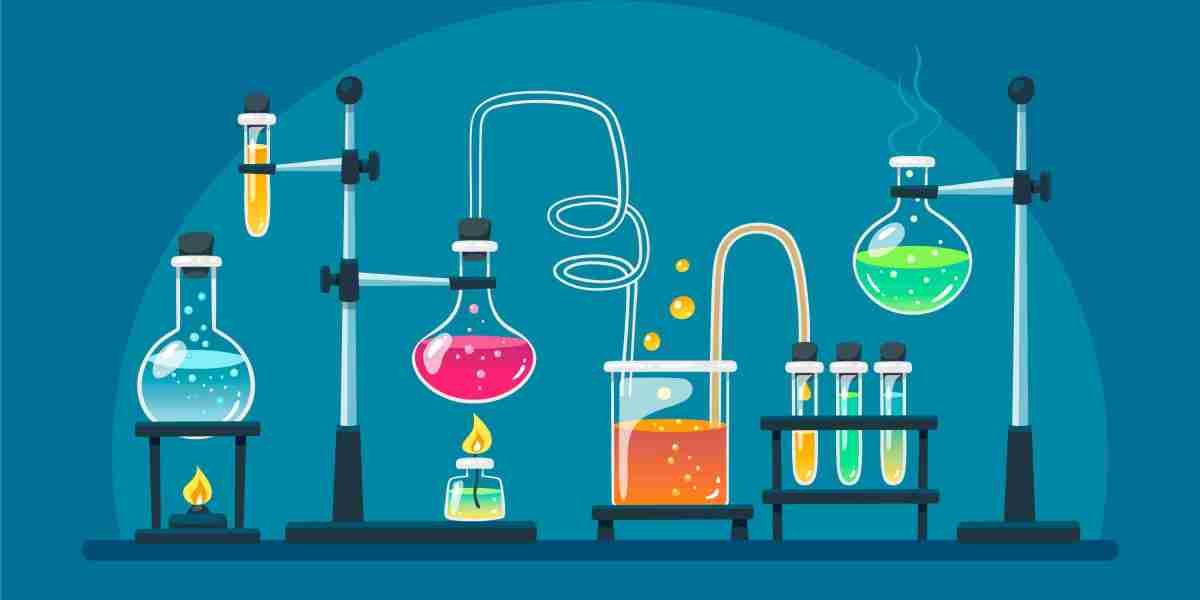
Behind every scientific discovery is a set of tools that made the work possible. Laboratory equipment is often overlooked in discussions of research breakthroughs, yet it forms the foundation on which modern science is built. From simple glassware to advanced imaging systems, the instruments scientists use directly shape what they can observe, measure, and understand.
The Foundation of Experimental Work
Basic equipment such as balances, pipettes, and glassware remains essential in every laboratory. These tools allow researchers to measure and handle materials with the precision needed for reliable results. Even as technology advances, these fundamental instruments continue to support the accuracy of experiments across chemistry, biology, and physics.
Advanced Instruments Expanding the Limits of Observation
Modern laboratories rely on sophisticated equipment such as mass spectrometers, electron microscopes, and nuclear magnetic resonance systems. These instruments allow scientists to examine matter at scales that were once impossible to study. Researchers can now identify molecular structures, observe cellular processes in detail, and detect trace amounts of substances that would have gone unnoticed decades ago.
Automation and Efficiency
Automated systems have transformed how experiments are conducted. Robotic liquid handlers, automated sequencers, and computer controlled reactors allow researchers to run many experiments with consistent precision. This reduces human error and frees scientists to focus on interpreting results rather than repeating manual tasks. Automation has also made large scale studies, such as genome sequencing projects, achievable within realistic timeframes.
Equipment Calibration and Maintenance
Reliable results depend on properly functioning equipment. Regular calibration ensures that instruments produce accurate readings, while routine maintenance prevents breakdowns that could disrupt research. Laboratories that prioritize equipment care reduce the risk of data errors and extend the useful life of expensive instruments. This attention to detail is often what separates dependable research from questionable results.
Access and Cost Considerations
Not all laboratories have equal access to advanced equipment. High end instruments can be expensive to purchase and maintain, creating disparities between well funded institutions and smaller research groups. Shared facilities, university core labs, and equipment grants have helped address this gap, allowing more researchers to access tools that would otherwise be out of reach.
Equipment as a Driver of Discovery
Throughout scientific history, new equipment has often led directly to new discoveries. The invention of the microscope revealed the existence of cells. The development of the mass spectrometer opened new fields in chemistry and biology. As instrumentation continues to improve, researchers gain the ability to ask new questions and explore areas of science that were previously inaccessible.
What Chemical Characterization Involves
Characterization covers a wide range of techniques used to identify what a substance is made of and how it behaves. This includes spectroscopy to reveal molecular structure, chromatography to separate and identify components, and microscopy to examine physical form. Together, these methods build a complete picture of a material, from its atomic arrangement to its macroscopic properties.
Why Confidence Requires More Than One Method
No single technique tells the whole story. A spectrum alone might suggest a molecule’s identity, but combining it with mass measurements, thermal analysis, and purity testing removes doubt. Using multiple, independent methods to confirm the same result is one of the most effective ways to build confidence in a finding. If different techniques agree, researchers can trust the conclusion far more than if they relied on a single measurement.
The Role of Standards and Calibration
Accurate characterization depends on properly calibrated instruments and validated reference standards. Without these, even the most advanced equipment can produce misleading numbers. Regular calibration against known standards ensures that measurements remain consistent over time and can be compared across different laboratories. This consistency is essential when results need to be verified by other researchers or regulatory bodies.



