


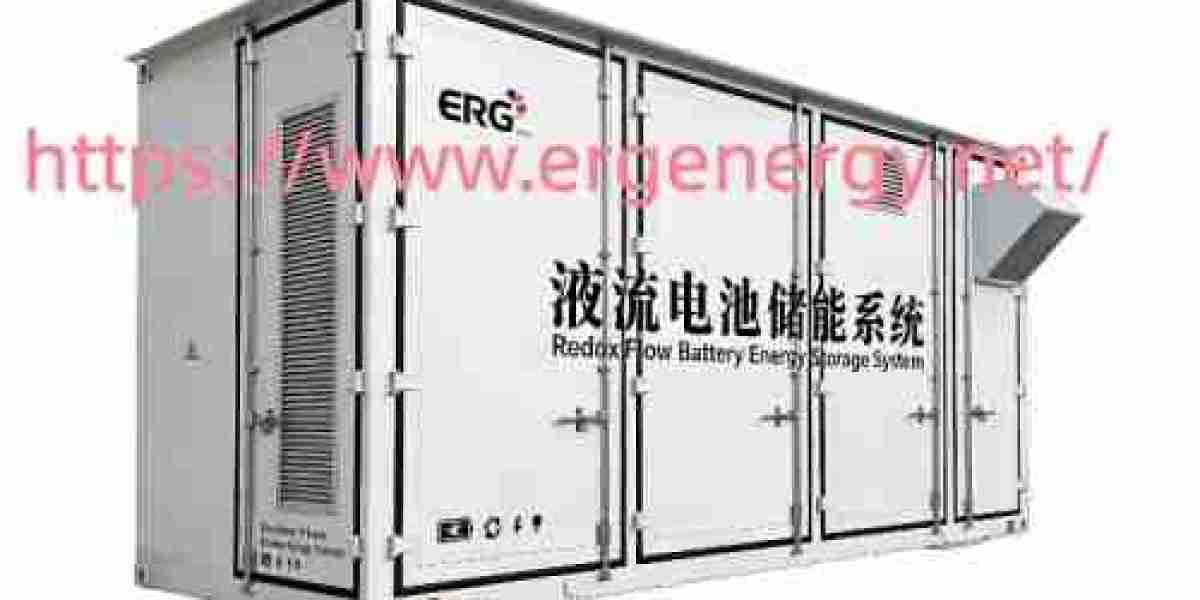
User-Side Energy Storage System solutions are becoming an important consideration for businesses looking to manage electricity expenses and improve daily power planning. For manufacturing plants, commercial buildings, and industrial parks, electricity bills can represent a considerable part of operating expenses. Changes in production schedules, peak demand charges, and local electricity tariffs can make monthly costs difficult to predict. By introducing suitable battery equipment, businesses can gain additional flexibility in deciding when to purchase, store, and use electricity.
One important application is peak shaving. Many electricity providers calculate part of a commercial customer bill according to the highest power demand recorded during a billing period. When several production machines operate simultaneously, a factory may experience a temporary increase in demand. Battery equipment can discharge electricity during these periods, helping reduce the amount of power drawn from the grid. The actual financial benefit depends on local tariff rules, equipment capacity, operating schedules, and the frequency of peak demand events.
Another approach is shifting electricity consumption between different tariff periods. In regions where electricity prices vary throughout the day, businesses may charge their batteries during lower-price hours and discharge them when electricity prices increase. This method requires careful scheduling. Charging too early, discharging at an unsuitable time, or maintaining an incorrect reserve level can affect the expected financial results.
Solar generation creates another opportunity for commercial electricity management. Factories with rooftop photovoltaic installations may produce considerable electricity during working hours. However, production schedules do not always match solar generation. Some facilities consume more electricity in the early morning or evening, when photovoltaic output is lower. Battery equipment can retain part of the surplus daytime generation for later use, allowing businesses to coordinate renewable electricity with their actual consumption patterns.
Before making a purchasing decision, companies should examine their electricity bills over several months. Monthly consumption alone does not provide enough information. Hourly or interval-based demand records can reveal when electricity usage increases, how long peak periods last, and whether consumption follows a predictable pattern. These records help engineering teams estimate the required discharge power and operating duration.
Capacity planning is another important step. Power output and available electricity are two separate specifications. A factory with high instantaneous demand may require a different configuration from a commercial building with relatively steady consumption. Buyers should also consider how many hours the equipment needs to operate during each discharge period. Selecting capacity according to actual load data can help avoid unnecessary equipment investment or insufficient output during operation.
Operating expenses should also be included in financial calculations. Battery charging and discharging involve conversion losses, while pumps, cooling equipment, and other auxiliary components may consume additional electricity. Maintenance, installation, equipment transportation, and replacement parts should also be considered. A realistic financial assessment should compare these expenses with potential savings under the applicable electricity tariff.
The physical installation environment can influence purchasing decisions as well. Industrial facilities need to evaluate available floor space, electrical connections, ventilation, drainage, access for maintenance, and environmental conditions. Companies should confirm local grid connection requirements and relevant safety regulations before finalizing an equipment configuration. Communication between the equipment manufacturer, electrical contractor, and facility management team can help coordinate these requirements.
The battery technology itself deserves attention. Vanadium redox flow batteries use liquid electrolytes circulated through electrochemical stacks during charging and discharging. Their architecture separates the power conversion section from the liquid capacity section. This allows manufacturers to configure power output and available capacity according to different project requirements. For businesses considering frequent cycling or extended discharge periods, this design is worth evaluating alongside other battery technologies.
ERG offers several product configurations for commercial and industrial applications. Its range includes 5kW, 10kWh, 20kWh, and 30kWh vanadium flow battery equipment, an 82kW/300kWh installation, and a 500kW/2000kWh containerized solution. These configurations provide different options for businesses with varying electricity requirements. The company also provides customized equipment development and integration according to project specifications and site conditions.
Actual project examples can also help buyers understand how equipment is applied in commercial environments. ERG has presented a 5kW/30kWh photovoltaic, charging, and battery project designed for peak demand management and the use of surplus solar generation. Another industrial installation uses a 64kW/300kWh configuration for peak and off-peak electricity management as well as emergency backup. These examples illustrate how equipment selection can be connected to specific operating objectives.
For businesses planning an installation, cooperation with the manufacturer should begin before equipment selection is finalized. Providing electricity bills, load curves, photovoltaic generation records, and site drawings gives technical teams useful information for evaluating the project. Buyers should also request clear specifications covering rated output, available capacity, charging conditions, discharge duration, communication interfaces, warranty arrangements, and maintenance responsibilities.
A practical purchasing decision should balance financial expectations with technical requirements. Businesses should avoid estimating savings from electricity price differences alone because actual results depend on operating patterns, conversion efficiency, demand charges, and local policies. Reviewing these factors together helps companies establish realistic investment expectations and prepare an operating plan that matches their production needs.
As more factories and commercial facilities look for flexible ways to manage electricity expenses, battery equipment is becoming part of broader business planning. With different capacity configurations, manufacturing experience, and customized engineering services, ERG provides product options for projects involving industrial electricity management and photovoltaic integration. Businesses interested in equipment specifications, application details, and project consultation can visit https://www.ergenergy.net/ to review the available products and discuss their requirements.



