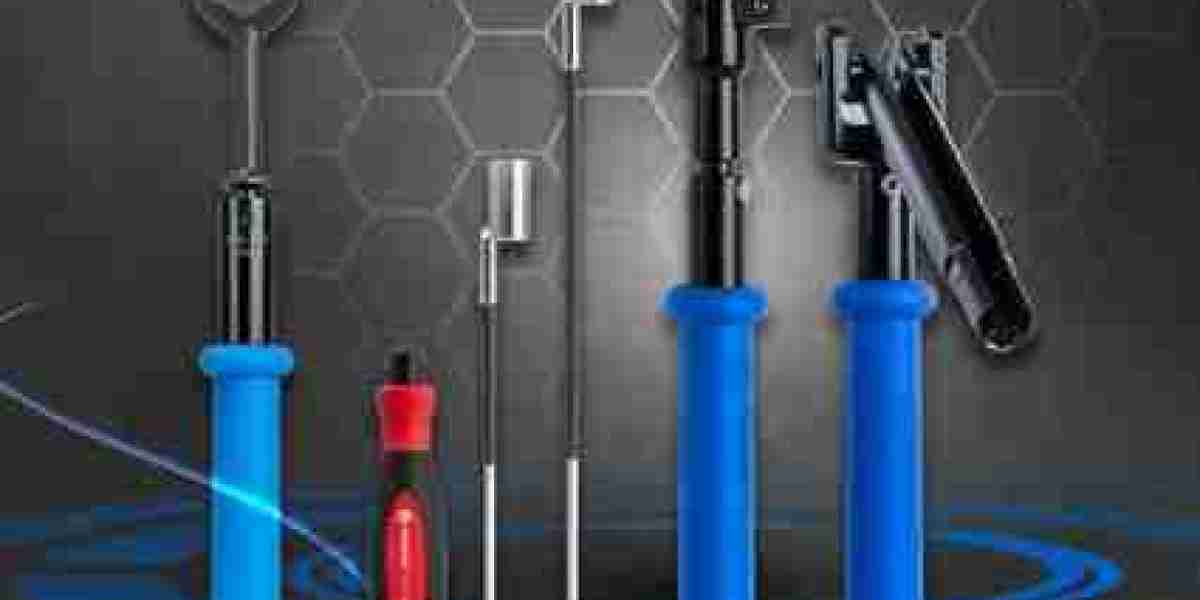
If you have ever searched "Why do I need a torque wrench for coax connectors?", "How tight should an F connector be?", or "Can I tighten coax connectors by hand?", you are asking some of the most common questions among CATV installers, broadband technicians, and satellite professionals.
Although coax connectors may appear simple, applying the correct amount of torque is essential for maintaining signal quality and protecting network equipment. Connectors that are too loose can cause intermittent service and signal loss, while over-tightened connectors may damage ports, splitters, amplifiers, and expensive communication equipment.
This is why professional installers rely on coax torque wrenches rather than standard wrenches or pliers. A properly calibrated torque wrench ensures every connection is tightened to the manufacturer's recommended specification, helping deliver reliable network performance.
What is a Coax Torque Wrench?
A coax torque wrench is a precision hand tool designed to tighten F-type coaxial connectors to a predetermined torque value. Unlike a standard wrench, it applies consistent force, preventing both under tightening and over tightening.
These tools are commonly used during the installation and maintenance of:
- CATV networks
- Broadband internet systems
- Satellite TV installations
- RF communication equipment
- Video distribution systems
- Telecommunications infrastructure
By ensuring every connector is tightened correctly, technicians improve signal integrity and reduce future maintenance issues.
Why Is Proper Torque So Important?
One of the most frequently searched questions is:
"What happens if a coax connector is too tight?"
Over tightening may seem harmless, but it can lead to several problems, including:
- Damaged connector threads
- Cracked equipment ports
- Distorted connector bodies
- Increased repair costs
- Premature equipment failure
On the other hand, loose connectors can result in:
- Signal loss
- Intermittent internet connections
- RF signal leakage
- Moisture intrusion
- Poor television reception
- Increased service callbacks
Using a torque wrench eliminates guesswork by applying the correct amount of force every time.
Can You Tighten a Coax Connector by Hand?
Many homeowners ask:
"Is hand tightening enough?"
For temporary or low demand installations, hand tightening may appear sufficient. However, professional broadband and CATV installations require connectors to meet manufacturer torque specifications.
Hand tightened connectors often vary from one installer to another, leading to inconsistent performance. A calibrated torque wrench ensures every connector is installed uniformly, regardless of who performs the work.
What Is an Angle Torque Wrench?
Another common search is:
"When should I use an angle torque wrench?"
An angle torque wrench is designed for installations where standard straight wrenches cannot easily reach the connector.
These tools are especially useful when working:
- Inside communication cabinets
- Behind wall mounted equipment
- In crowded patch panels
- Around splitters and amplifiers
- Inside outdoor enclosures
- In tight equipment racks
The angled design improves access while maintaining the same accurate torque control required for professional installations.
Who Uses Coaxial Cable Wrenches?
Professional coaxial cable wrenches are widely used by:
- Cable television technicians
- Broadband internet installers
- Satellite TV engineers
- Telecommunications contractors
- Data center technicians
- RF communication specialists
- Network maintenance teams
- Utility communication providers
Any technician responsible for installing or maintaining coaxial cable systems benefits from using precision torque tools.
How Do You Use a Coax Torque Wrench?
Another frequently searched question is:
"How do you use a torque wrench on a coax connector?"
The general installation process includes:
- Install the connector onto the prepared coax cable.
- Thread the connector onto the equipment port by hand.
- Position the torque wrench over the connector.
- Turn the wrench until it reaches its calibrated torque value.
- Remove the wrench and inspect the finished connection.
This process helps ensure every connector is tightened consistently without risking damage to equipment.
Why Do Broadband Providers Require Torque Wrenches?
Many technicians wonder:
"Why do cable companies insist on torque wrenches?"
Large broadband and CATV providers maintain strict installation standards to reduce network faults. Even minor variations in connector tightness can affect signal quality across a distribution system.
Using calibrated torque wrenches helps providers:
- Maintain installation consistency
- Reduce service interruptions
- Improve signal reliability
- Protect expensive network equipment
- Minimize maintenance costs
- Standardize technical performance
These advantages become increasingly important in large scale broadband and hybrid fiber-coax (HFC) networks.
What Features Should You Look for in a Torque Wrench?
When selecting a professional coax torque wrench, technicians often consider:
- Accurate preset torque values
- Durable steel construction
- Corrosion resistant finish
- Comfortable ergonomic grip
- Compact design for field work
- Compatibility with standard F connectors
- Long service life
- Easy operation in confined spaces
For installations with limited access, an angle torque wrench provides additional flexibility while maintaining precision.
Common User Questions About Torque Wrenches
Can I use a regular adjustable wrench instead?
A regular wrench cannot control the amount of tightening force. Using one increases the risk of damaging connectors or leaving them too loose.
Do all coax connectors require the same torque?
No. Different connector and equipment manufacturers may specify different torque values. Always follow the recommended installation specifications.
How often should a torque wrench be calibrated?
Professional technicians should inspect and calibrate torque tools according to manufacturer recommendations, especially if they are used frequently.
Are torque wrenches only for cable TV?
No. They are also widely used in broadband internet, satellite communications, RF systems, security installations, and other low-voltage communication networks.
Why Professional Installers Depend on Torque Wrenches
Experienced technicians understand that connector quality is just as important as cable quality. A perfectly prepared cable can still experience performance issues if the connector is improperly tightened.
Professional coaxial cable wrenches help technicians:
- Improve connector consistency
- Protect expensive communication equipment
- Reduce installation errors
- Increase productivity
- Maintain reliable signal performance
- Reduce costly service visits
These benefits make torque wrenches an essential part of every CATV and broadband technician's toolkit.
Choose the Right Torque Wrench for Reliable Coax Installations
Whether you are installing residential cable television, expanding a broadband network, or maintaining satellite communication systems, using the proper torque wrench is one of the simplest ways to improve installation quality.
A professional coax torque wrench ensures every connector is tightened to the correct specification, protecting both the cable and the equipment it connects to. For technicians working in confined spaces, an angle torque wrench provides the precision and accessibility needed to complete challenging installations.
Investing in high quality coaxial cable torque wrenches helps reduce signal issues, extend equipment life, and deliver dependable network performance across every installation.