


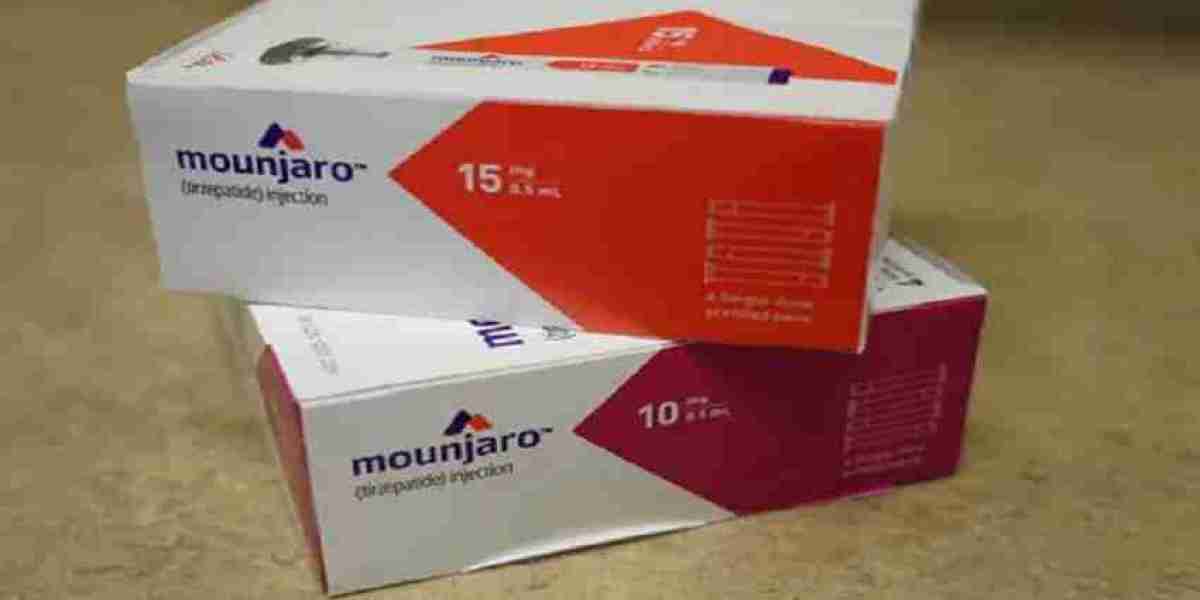
For anyone about to begin treatment, knowing exactly what to expect at each stage replaces uncertainty with preparation. This guide walks through the full patient journey for Mounjaro injection in Dubai—from the first enquiry to established maintenance—describing what happens, what is asked of the patient, and what decisions arise along the way. It is written as a practical roadmap rather than a promotional overview, so you can picture the process and prepare for it properly.
Stage One: The Initial Enquiry
Most journeys begin with a question—by phone, online, or in person. At this stage, patients should ask whether the clinic provides supervised tirzepatide treatment, who will conduct the assessment, and what the first appointment involves. Clear answers at this point indicate a structured service.
It helps to note your own questions in advance. Patients who arrive with a written list get more from the consultation than those who rely on memory.
Stage Two: The Assessment Consultation
The first appointment is a clinical assessment, not a sales meeting. Expect a detailed history covering thyroid and pancreatic health, gallbladder issues, kidney function, prior weight-management attempts, and current medications. Blood pressure, weight, height, and BMI are recorded.
Laboratory tests may be requested depending on your profile, and results are usually reviewed before a decision is made. For some patients, this appointment concludes that tirzepatide is not the right option—a normal and appropriate outcome.
Stage Three: Mounjaro injection in Dubai — Planning Your Schedule
If treatment is appropriate, the clinician explains the titration plan. The standard schedule starts at 2.5 mg once weekly for four weeks, then increases to 5 mg if tolerated, with further steps of 2.5 mg at intervals of at least four weeks, up to 15 mg.
The schedule is personalized. Some patients stay at lower doses longer; others advance more steadily. You should leave knowing your specific plan and the conditions under which it would change.
Stage Four: Learning Injection Technique
Before the first dose, a clinician or nurse demonstrates how to use the pen: preparing the device, selecting and rotating sites on the abdomen, thigh, or upper arm, and disposing of the needle safely. Patients usually practice under supervision until confident.
Storage is explained at the same time—refrigeration before first use, and the manufacturer's guidance for room-temperature windows afterward. Getting these details right protects the medication's effectiveness.
Stage Five: The First Weeks
The initial four weeks at 2.5 mg are about toleration, not results. Gastrointestinal effects are most common here and often ease with time. Practical measures—hydration, adequate protein, fiber, smaller meals—help considerably.
You should know in advance whom to contact if symptoms become significant, and which symptoms warrant urgent review rather than routine advice.
Stage Six: Titration Reviews
Follow-up visits assess tolerability, weight trajectory, and any side effects before the dose is increased. The clinician may hold the dose, reduce it, or proceed, depending on your response.
These reviews are also the moment to raise practical difficulties: missed doses, travel, cost concerns, or doubts about continuing. Addressing them early prevents bigger problems later.
Stage Seven: Maintenance and Long-Term Planning
Once a stable dose is reached, the focus shifts to consolidation: maintaining dietary quality, physical activity, and regular monitoring. Discussions about long-term duration, cost structure, and the plan if treatment is later stopped should happen before they become urgent.
Patients who understand the maintenance phase in advance make better decisions about how long to continue.
What Patients Should Bring to Each Visit
An updated medication and supplement list
Any new symptoms, however minor they seem
Questions written down beforehand
Records of missed doses or schedule changes
Insurance or billing documents where relevant
Conclusion
The treatment journey follows a logical sequence: enquiry, assessment, personalized planning, technique training, early toleration, titration reviews, and maintenance. Each stage prepares the next, and none should be skipped. At Tajmeels Clinic in Dubai, this sequence is followed with individualization at every step, so patients understand both what is happening and why. If you are preparing to begin, use this guide as a checklist for the questions to ask along the way.



