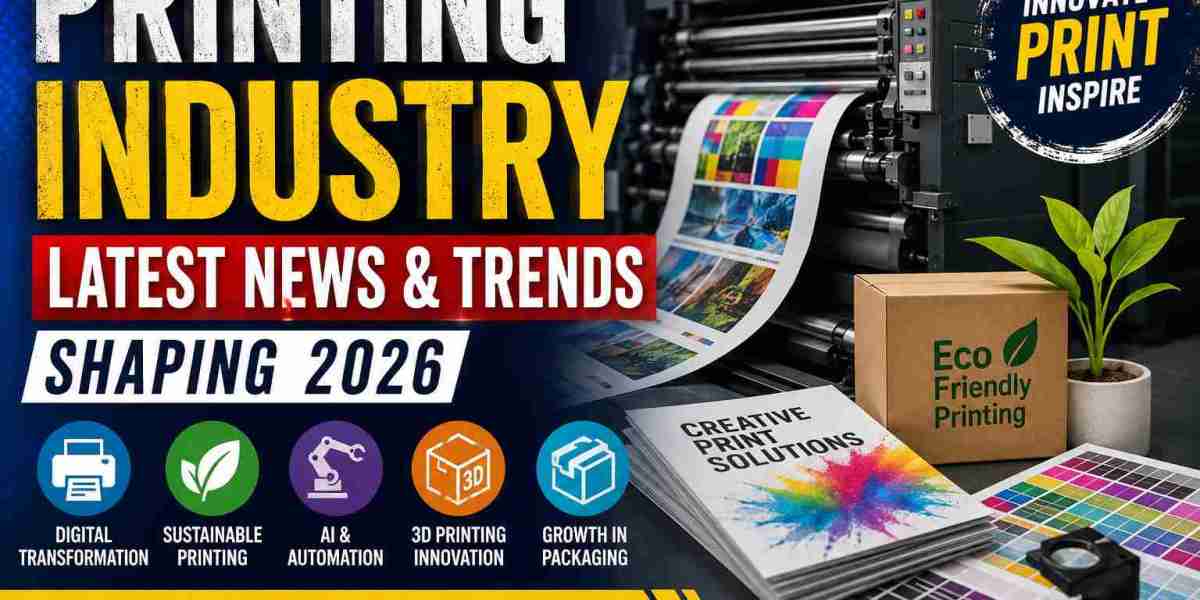
The packaging industry has become one of the most influential sectors in the global economy. Once considered only a protective layer for products, packaging now plays a much larger role in branding, sustainability, customer experience, and supply chain efficiency. Businesses across food, beverages, pharmaceuticals, cosmetics, electronics, and eCommerce are investing in smarter packaging solutions to meet changing consumer expectations and environmental regulations.
As markets continue to evolve, companies are adopting innovative materials, digital technologies, and eco-friendly production methods to remain competitive. Understanding the latest packaging industry insights helps manufacturers, retailers, and business owners make informed decisions while preparing for future market demands.
In this article, we explore the latest trends, challenges, opportunities, and innovations shaping the packaging industry.
Why the Packaging Industry Continues to Grow
The global packaging market has experienced consistent growth over the last decade. Rising online shopping, increasing urbanization, and changing consumer lifestyles have created strong demand for reliable and attractive packaging solutions.
Consumers expect products to arrive safely while maintaining freshness and quality. At the same time, businesses want packaging that reflects their brand identity and minimizes operational costs.
Several factors are driving this growth:
- Expansion of eCommerce businesses
- Demand for sustainable packaging
- Increasing food delivery services
- Growth in pharmaceutical manufacturing
- Technological advancements in packaging production
These developments continue to create opportunities for manufacturers and suppliers worldwide.
Sustainable Packaging Is Becoming the New Standard
Environmental concerns have transformed packaging priorities. Governments, consumers, and businesses are actively seeking alternatives to traditional plastic packaging.
Companies are replacing single-use plastics with recyclable, biodegradable, compostable, and reusable materials. Sustainable packaging is no longer viewed as an optional feature—it has become an important purchasing factor for many consumers.
Popular sustainable packaging solutions include:
- Paper-based packaging
- Corrugated cardboard
- Plant-based bioplastics
- Molded fiber packaging
- Glass and aluminum containers
Businesses adopting sustainable packaging not only reduce environmental impact but also strengthen customer trust and improve brand reputation.
Smart Packaging Is Changing Customer Experiences
Technology is reshaping how packaging interacts with consumers. Smart packaging incorporates digital features that improve transparency, product tracking, and customer engagement.
Modern packaging now includes:
QR codes that provide product information, NFC tags for authentication, RFID tracking for inventory management, and temperature indicators for sensitive products.
For industries like pharmaceuticals and food, smart packaging helps maintain product safety while offering consumers instant access to manufacturing details, usage instructions, and authenticity verification.
This combination of technology and convenience creates greater confidence throughout the buying journey.
eCommerce Is Influencing Packaging Design
Online shopping has significantly changed packaging requirements.
Unlike products displayed on retail shelves, eCommerce packaging must withstand shipping, handling, and multiple delivery stages before reaching customers.
Businesses now focus on packaging that offers:
- Better product protection
- Reduced shipping costs
- Lightweight materials
- Easy opening experience
- Minimal waste
Attractive unboxing experiences have also become a powerful marketing tool. Customers frequently share product deliveries on social media, making packaging an extension of the overall brand experience.
Automation Is Improving Packaging Operations
Manufacturers are investing heavily in automation to increase production speed while reducing operational costs.
Automated packaging systems help businesses improve consistency, reduce human error, and handle higher production volumes.
Modern packaging facilities increasingly rely on:
Robotic packaging lines, automated labeling systems, AI-powered quality inspection, machine vision technology, and predictive maintenance software.
Automation not only improves productivity but also helps manufacturers maintain quality standards while meeting growing market demand.
Consumer Preferences Are Driving Packaging Innovation
Today's customers expect packaging that is functional, attractive, and environmentally responsible.
Many buying decisions are influenced by packaging design, especially in competitive retail markets.
Consumers appreciate packaging that offers:
Easy storage, resealable designs, clear product information, recyclable materials, attractive graphics, and convenience during everyday use.
Brands that understand consumer behavior often enjoy stronger customer loyalty and higher repeat purchases.
The Rise of Minimalist Packaging
Minimalist packaging has become increasingly popular across various industries.
Instead of excessive layers and decorative materials, companies now prioritize clean designs that use fewer resources while maintaining visual appeal.
Minimalist packaging provides several advantages:
- Lower production costs
- Reduced material usage
- Easier recycling
- Better shelf presentation
- Improved sustainability image
Simple packaging often communicates transparency and quality more effectively than overly complex designs.
Packaging Industry Challenges
Despite continuous innovation, the packaging industry faces several ongoing challenges.
Rising Raw Material Costs
Fluctuating prices for paper, plastics, metals, and other packaging materials directly affect manufacturing expenses.
Supply Chain Disruptions
Global transportation delays and shortages continue to impact production schedules and inventory planning.
Environmental Regulations
Governments worldwide are introducing stricter rules regarding plastic usage, recycling targets, and packaging waste management.
Consumer Expectations
Customers expect premium packaging while demanding lower prices and environmentally friendly materials, creating a difficult balance for manufacturers.
Companies that adapt quickly to these challenges often gain a competitive advantage.
Digital Printing Is Transforming Packaging Production
Digital printing has become one of the fastest-growing technologies in the packaging industry.
Unlike traditional printing methods, digital printing allows shorter production runs, faster customization, and reduced setup costs.
Businesses can now create personalized packaging for seasonal promotions, regional campaigns, or limited-edition product launches.
Digital printing also enables quicker design changes, helping brands respond rapidly to market trends.
Packaging Safety Remains a Top Priority
Product safety continues to be one of the most important responsibilities of packaging manufacturers.
Industries such as food, pharmaceuticals, and healthcare require strict compliance with safety regulations to prevent contamination and maintain product integrity.
Tamper-evident seals, protective barriers, child-resistant packaging, and moisture-resistant materials help ensure products reach consumers in excellent condition.
Investing in quality packaging reduces product damage, returns, and customer complaints.
Future Trends Shaping the Packaging Industry
The future of packaging will be influenced by sustainability, automation, and digital transformation.
Several emerging trends are expected to gain momentum:
Artificial intelligence for quality control, biodegradable innovations, lightweight packaging materials, circular economy initiatives, refillable packaging systems, and connected packaging technologies.
Businesses that embrace these innovations early are more likely to improve operational efficiency while meeting evolving consumer expectations.
Why Packaging Insights Matter for Businesses
Understanding packaging industry insights allows businesses to stay competitive in a rapidly changing market.
Whether launching a new product or improving an existing one, the right packaging strategy influences customer satisfaction, operational efficiency, and long-term profitability.
By following market trends and adopting innovative solutions, companies can reduce costs, strengthen their brand image, and support sustainability goals simultaneously.
Packaging is no longer just a container—it has become a valuable business asset that contributes directly to customer experience and business growth.
Conclusion
The packaging industry continues to evolve through technological innovation, environmental awareness, and changing consumer preferences. From sustainable materials and smart packaging to automation and digital printing, businesses have more opportunities than ever to improve their packaging strategies.
Companies that invest in innovation while maintaining product quality and sustainability will be better positioned for future success. Keeping up with the latest packaging industry insights helps organizations respond to market changes, meet customer expectations, and build stronger brands in an increasingly competitive marketplace.
FAQs
1. What are packaging industry insights?
Packaging industry insights refer to market trends, technological developments, consumer preferences, sustainability initiatives, and business strategies that help companies improve packaging design, production efficiency, and overall competitiveness.
2. Why is sustainable packaging important?
Sustainable packaging reduces environmental impact by minimizing waste, encouraging recycling, lowering carbon emissions, and using renewable materials while helping businesses meet consumer expectations and regulatory requirements.
3. How is technology changing the packaging industry?
Technology improves packaging through automation, AI-powered quality control, digital printing, smart packaging features, inventory tracking, and enhanced supply chain management, resulting in better efficiency and customer satisfaction.
4. What industries benefit the most from packaging innovation?
Food, beverage, pharmaceuticals, cosmetics, electronics, healthcare, and eCommerce businesses benefit significantly from packaging innovations because they require product protection, branding, regulatory compliance, and efficient distribution.
5. What are the future trends in the packaging industry?
Future packaging trends include biodegradable materials, connected packaging, artificial intelligence, circular economy practices, lightweight packaging designs, reusable solutions, and increased automation across manufacturing operations.