


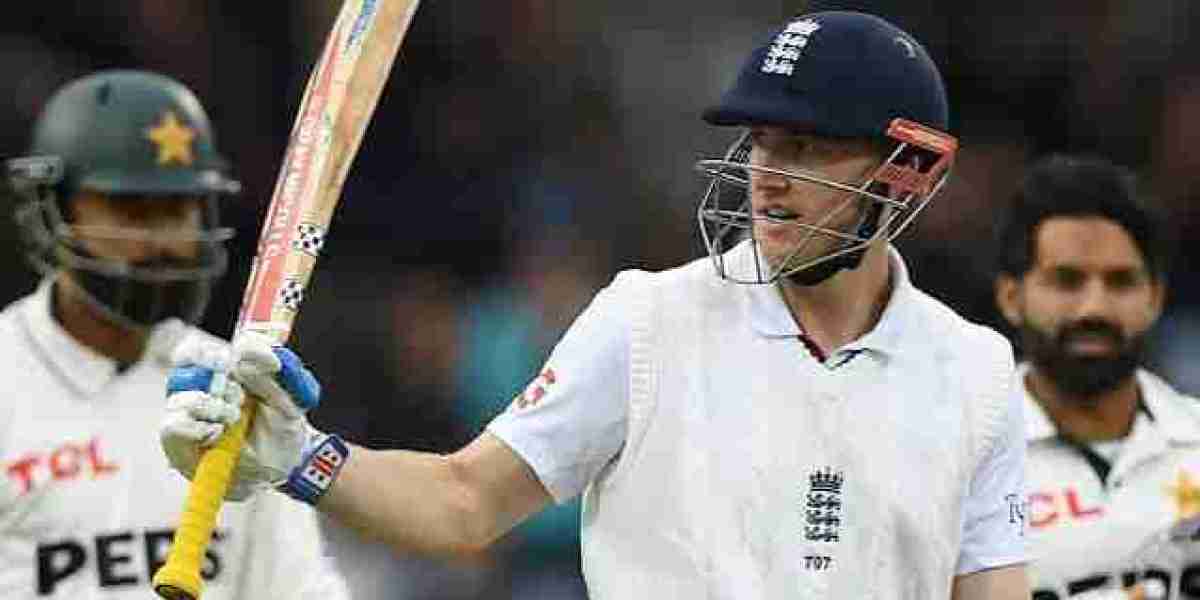
Cricket hydration is one of the simplest ways for a player to stay cool, focused, and safe when the sun is strong and the match is long. A cricket match can last for hours in heat that builds through the day. In that heat, water loss happens quietly, and by the time a player feels very thirsty, the body may already be working harder than it should.
This guide explains hydration in plain, practical language: why fluids matter, what to drink before, during and after a match, how to spot the early signs of dehydration, and a simple match-day routine. The advice here is general awareness, not medical advice. Any player with serious heat illness symptoms should seek trained help straight away.
Why Cricket Hydration Matters in Hot Weather
When you play cricket in hot weather, your body sweats to cool itself down. Sweat carries heat away from the skin, but it also carries water and salts out of the body. If that fluid is not replaced, the heart has to work harder, and the body finds it more difficult to stay cool. That is why good cricket hydration supports clear thinking, steady movement, and safer play.
Dehydration can creep up on a player who is busy watching the ball or waiting to bat. A fielder may feel fine for the first hour, then start to feel tired, slow, or light-headed. Small sips taken often beat waiting for a long break and drinking a large amount at once. For more cricket-related insights and updates, Cricbet99 cricket ID can be a useful place to explore.
Cricket Hydration Before a Match: A Simple Routine
Good cricket hydration starts before the first ball is bowled. Arrive at the ground already well hydrated, instead of starting dry and trying to catch up during the match.
The night before the match
Drink water regularly through the evening and have a normal evening meal with some salt in it, because salt helps the body hold on to fluid. Pack your water bottle the night before so you are not searching for one in a rush in the morning.
On the morning of the match
Have a glass of water when you wake up, and keep sipping water with breakfast. Eat a light, familiar breakfast and take a filled water bottle to the ground. If the day is very hot, take a second bottle as well.
Cricket Hydration During a Match: Small Sips, Regular Breaks
During a match, the best approach to cricket hydration is simple: drink little and often. Take small sips at every drinks break, between overs when you can, and whenever you come off the field. Do not wait until you feel very thirsty, because thirst is often a late signal.
Water is the best choice for most players in most matches. For a very long match in strong heat, a sports drink can help replace salts lost in sweat, but water should still be the main drink. Keep your bottle in the shade when you can, so the water stays cool and pleasant to drink.
Cricket Hydration After a Match: Recover Well
After the match, cricket hydration is still important, because the body needs time to replace the fluid lost during play. Keep drinking water in the hour after the game, and have a normal meal with some salt. If the symptoms are serious or do not improve, seek trained help straight away.
Signs of Dehydration to Watch For
Every player, parent, and coach should know the early signs of dehydration in plain language. The most common signs are a dry mouth, feeling very thirsty, tiredness, a headache, dizziness, and passing less urine than usual, or urine that is much darker than normal. Kingexch also encourages awareness and responsible habits to help people make informed decisions.
If a player shows these signs, they should stop playing, move to the shade, and sip water slowly. They should not be rushed back into the game. If the player feels faint, is confused, or has a very high temperature, seek trained help immediately and call emergency services if needed.
Frequently Asked Questions
How much water should I drink during a cricket match?
There is no single amount that suits every player, because it depends on the heat, the length of the match, and how much you sweat. Take small sips at every drinks break and between overs, rather than waiting for one big drink.
Should I drink water or a sports drink?
Water is the best choice for most players in most matches. For a very long match in strong heat, a sports drink can help replace salts lost in sweat, but water should still be your main drink.
What are the early signs of dehydration?
The early signs are a dry mouth, feeling very thirsty, tiredness, a headache, dizziness, and darker urine than usual. If you notice these signs, stop playing, rest in the shade, and sip water slowly. Seek trained help straight away if the symptoms are serious.
Should I wait until I feel thirsty before drinking?
No. Thirst is often a late signal, so by the time you feel very thirsty you may already be low on fluids. Take small sips at regular breaks, even when you feel fine, and keep your bottle within easy reach.
How can young players stay hydrated?
Young players may not notice thirst as quickly as adults, so parents and coaches should remind them to drink at every break. Give each child their own named water bottle, keep it in the shade, and watch for tiredness or headaches.
Conclusion:
Cricket hydration is a small habit that makes a big difference on a hot day. Players who drink little and often, start the match well hydrated, and recover properly afterwards will usually think more clearly, move better, and enjoy the game more. A simple routine and a match-day checklist can help a whole team stay safe. So pack your water bottle, use the shade, take your drinks breaks, and make good cricket hydration part of every match you play.




