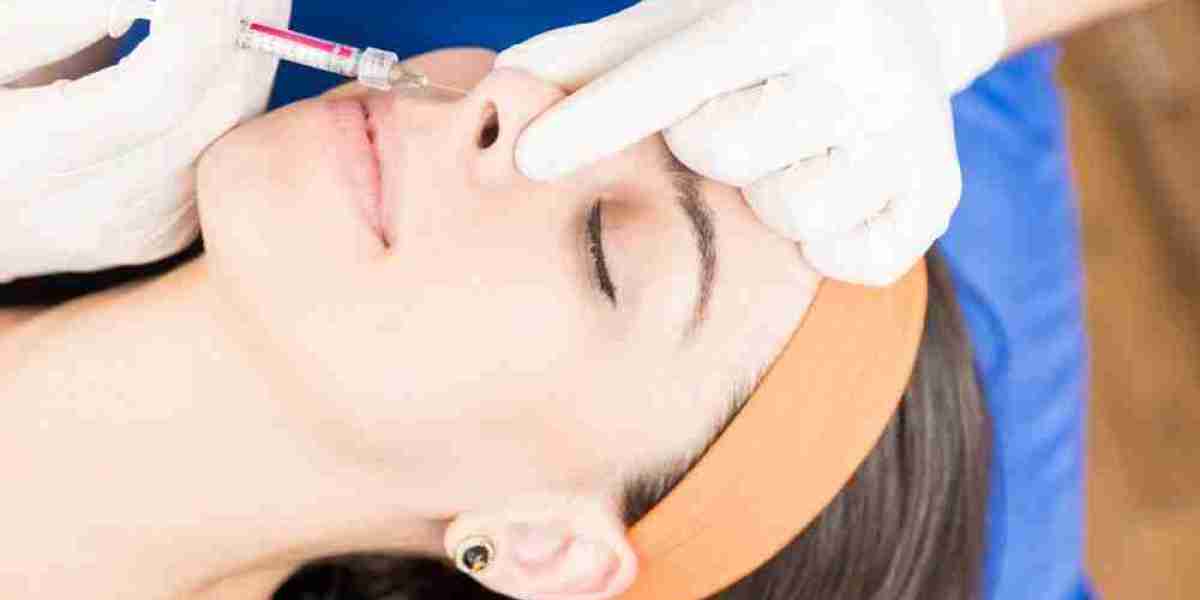
A surprising number of patients ask whether nose surgery will alter how they sound. Singers, teachers, call-centre staff, and anyone whose voice is central to their work often raise this concern during consultations, and it deserves a straight answer rather than a dismissive one. The relationship between the nose and the voice is real but frequently misunderstood, and much of the anxiety around it comes from confusing resonance with vocal cord function. This guide examines what Rhinoplasty in Dubai patients can realistically expect, which factors influence vocal change, and when the concern warrants specific discussion with the surgical team.
How the Nose Contributes to Voice
Sound is produced at the vocal cords but shaped by the spaces above them — the throat, mouth, and nasal cavity. This shaping is called resonance. When air passes through the nasal passages, certain frequencies are amplified or dampened depending on the size and openness of those spaces.
Rhinoplasty can change nasal airflow and internal geometry, which means it can theoretically affect resonance. Whether that change is perceptible depends on the degree of structural alteration and on how the patient's resonance system behaves. In most cases, the effect is subtle or absent.
Rhinoplasty in Dubai: What Patients Typically Report
What patients commonly notice in the early weeks is a temporary nasal quality to the voice, sometimes described as sounding "stuffed" or slightly muffled. This is usually related to post-operative swelling, internal splints, and altered airflow during healing rather than a permanent change.
As swelling subsides over several weeks, voice quality typically returns toward baseline. In our clinical experience, patients who perform voice-dependent work are advised to allow adequate healing time before judging any change, and to avoid intensive voice use immediately after surgery.
The Difference Between Resonance and Vocal Cords
Clarifying this distinction resolves much of the confusion. The vocal cords vibrate to create sound; the nasal cavity modifies it. Rhinoplasty does not involve the vocal cords and does not alter their function.
A patient whose voice feels different after surgery is usually experiencing a resonance change, not a cord-related issue. This is generally benign and settles with healing. Genuine vocal cord problems have different causes entirely and are not a typical consequence of nasal surgery.
When Voice Changes Are More Noticeable
Certain situations make resonance shifts more likely to be perceived:
Extensive alteration of the nasal valve or internal architecture
Significant changes to nasal tip support
Concurrent septal surgery affecting airflow
Patients with naturally resonant or trained voices
Those who use their voice professionally — singers, actors, presenters, and teachers — should raise this explicitly during consultation so that surgical planning can account for it.
Rhinoplasty in Dubai: Should Voice Concerns Affect Your Decision?
For most patients, voice is not a reason to avoid surgery. The risk of a permanent, significant vocal change is generally low, though it cannot be dismissed entirely for every individual.
The practical approach is to discuss it openly. A surgeon who understands your voice-related needs can explain which aspects of the planned surgery carry any relevance and what to expect during recovery. If voice is central to your livelihood, that conversation becomes an important part of informed consent.
Breathing, Nasality, and Functional Correction
Some patients seek surgery partly for breathing difficulty, and functional correction can actually improve how the voice carries by restoring normal airflow. Paradoxically, this can produce a perceived change — usually an improvement — because the nasal passages are functioning better than before.
Where the septum is straightened or valves opened, patients sometimes report that speech feels easier. This is not a guaranteed outcome, but it illustrates that voice effects can run in both directions.
Practical Advice for Voice-Dependent Patients
If your voice matters professionally, a few sensible measures help:
Raise the concern at the first consultation, not the day before surgery
Ask whether the planned approach affects nasal airflow substantially
Plan for a recovery period before returning to full vocal demands
Consider a baseline voice recording before surgery for later comparison
Discuss timing with any performance or teaching commitments
These steps are simple and give both patient and clinician a clearer framework.
Rhinoplasty in Dubai: What the Evidence Suggests
Published literature on voice after rhinoplasty generally indicates that clinically significant vocal changes are uncommon, though subtle resonance differences can occur. The variability across studies reflects differences in technique, patient selection, and measurement methods.
This is why general reassurance should be balanced with individualized discussion. What is uncommon across a population can still matter to one patient, especially one whose profession depends on vocal consistency.
When to Seek Further Assessment
If a voice change persists well beyond the expected healing period, or is accompanied by hoarseness, pain, or difficulty projecting, further assessment is appropriate. This would typically involve an ENT evaluation and, where indicated, examination of the vocal cords.
Persistent symptoms deserve investigation rather than assumption. Most resolve, but a structured assessment is the responsible path when concerns linger.
For patients with voice-related questions, Tajmeels Clinic in Dubai includes these considerations within the broader consultation, so that surgical planning accounts for individual needs.
Final Thoughts
Rhinoplasty can influence resonance, but it does not change the vocal cords, and significant permanent voice changes are uncommon. Most patients who notice a difference in the early weeks find it settles as swelling resolves. Those who depend on their voice should raise the issue early and plan recovery accordingly. Rhinoplasty in Dubai is a well-established procedure, and honest discussion of this specific concern is part of a thorough consultation rather than an afterthought
Ready to Begin Your Transformation?
Get in touch with us today to explore exclusive offers and find the right treatment for you!
WhatsApp: +971 56 203 8751
Phone: +971 4 373 9000
Social Media: