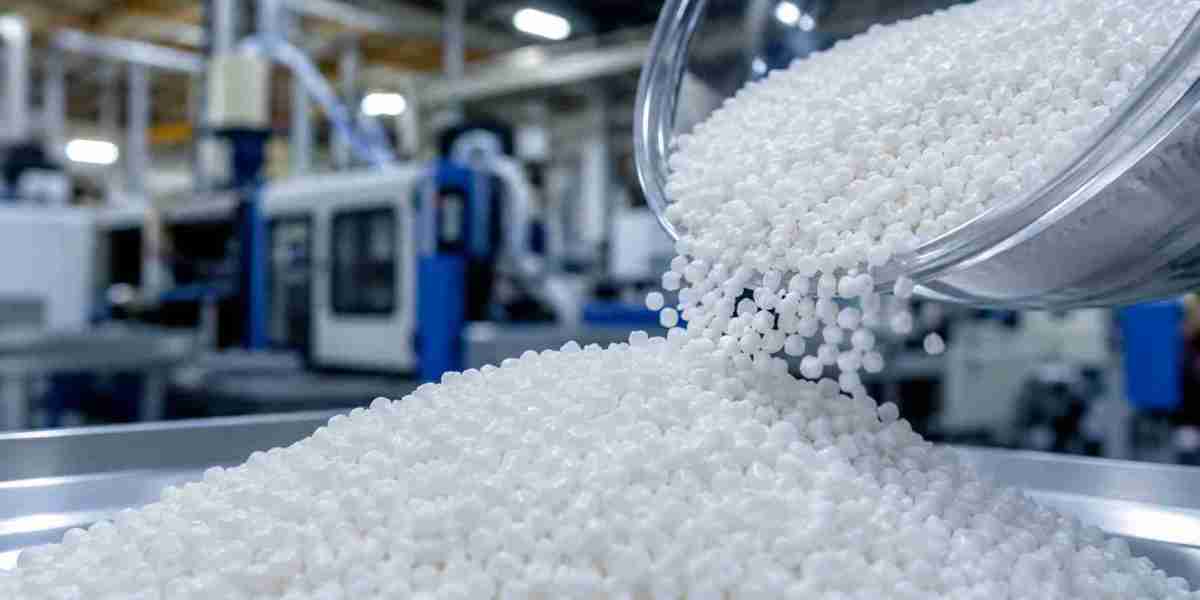
China polypropylene compounds are becoming increasingly relevant to manufacturers seeking lighter, durable, and cost-efficient material solutions. These engineered plastics combine polypropylene resin with fillers, reinforcing agents, impact modifiers, and performance additives. The resulting compounds can provide improved stiffness, heat resistance, dimensional stability, and surface quality. Their adaptable properties support the production of components that reduce product weight without compromising practical performance. As Chinese manufacturers modernize production systems and develop more efficient products, polypropylene compounds are gaining attention across automotive, appliance, packaging, electrical, and consumer goods applications.
Material Engineering Behind Improved Product Performance
Standard polypropylene offers low density, chemical resistance, processability, and comparatively economical production. Compounding allows manufacturers to modify these basic characteristics for specific applications. Mineral fillers such as talc can improve stiffness and dimensional stability, while glass fibres can increase mechanical strength. Elastomer-based modifiers may enhance impact resistance, particularly in products exposed to vibration or changing temperatures.
This flexibility allows producers to formulate materials according to the required balance of weight, durability, appearance, and processing speed. Compounds can also be developed for injection moulding, extrusion, and other high-volume production methods. Manufacturers can therefore produce complex parts with fewer secondary operations, supporting consistent quality and shorter production cycles.
Demand Shaped by Industrial Modernization
According to MarkNtel Advisors, demand in China Polypropylene Compounds is being influenced by technological advancement, industrial modernization, changing consumer requirements, government policies, sustainability initiatives, and expanding commercial applications. The study covers the 2026–2032 period and examines product development, supply conditions, end-use demand, cost structures, competitive activity, and regulatory influences.
China’s broad manufacturing base creates several potential use cases for modified polypropylene materials. Producers increasingly require materials that can support automated production, precise component design, and high output volumes. Polypropylene compounds meet these requirements because their formulations can be adjusted for mechanical performance, appearance, flame resistance, conductivity, or thermal stability. This customization makes them suitable for both structural and decorative components.
Automotive Applications Encouraging Lightweight Design
The automotive sector is an important application area for polypropylene compounds. These materials may be used in bumpers, dashboards, door panels, centre consoles, battery housings, interior trims, wheel-arch liners, and under-the-hood parts. Their low density can help reduce the weight of individual components while maintaining impact performance and design flexibility.
Lightweight materials are particularly relevant to electric vehicles because battery systems add considerable weight. Reducing the mass of non-battery components may support vehicle efficiency and driving range. Polypropylene compounds also allow manufacturers to integrate clips, ribs, mounting points, and textured surfaces into moulded parts, potentially reducing the number of separate components required during assembly.
According to The U.S. Department of Energy, lightweight materials can improve vehicle efficiency because less energy is required to accelerate a lighter vehicle, while advanced materials can help offset the weight of batteries and electric motors.
Broader Uses Across Chinese Production Sectors
Beyond transportation, polypropylene compounds support applications in household appliances, electronics, construction products, packaging, furniture, and consumer goods. Appliance manufacturers can use modified grades for washing-machine components, air-conditioner housings, refrigerator parts, and small electrical devices. These applications often require dimensional accuracy, surface quality, chemical resistance, and the ability to withstand repeated use.
Electrical and electronic applications may require compounds with flame-retardant, antistatic, or thermally stable properties. In packaging and reusable transport products, polypropylene compounds can provide toughness and moisture resistance while keeping containers relatively light. Construction-related uses may include fittings, panels, protective components, and material-handling products. China’s extensive production ecosystem creates opportunities for suppliers capable of delivering consistent formulations at commercial scale.
The International Energy Agency highlights the importance of improving material and energy efficiency across manufacturing systems, reinforcing the role of lightweight design, efficient processing, and responsible resource use in industrial development.
Recycling Complexity and Production Challenges
Despite their practical advantages, polypropylene compounds present technical and environmental challenges. Different fillers, fibres, pigments, coatings, and additives can make separation and recycling more difficult. Recycled material may also show variation in colour, odour, strength, and thermal behaviour. Manufacturers using recycled polypropylene must carefully control feedstock quality and formulation consistency.
Cost volatility in polypropylene resin, reinforcing materials, energy, and transportation can affect compound pricing. Producers must also maintain reliable quality across large production batches. Automotive and electrical applications often require strict testing related to impact strength, emissions, ageing, heat resistance, and safety. Smaller suppliers may face difficulty meeting these requirements without advanced laboratories, process controls, and long-term customer validation.
According to The U.S. Environmental Protection Agency, advanced recycling processes may complement mechanical recycling by recovering plastic materials that are contaminated, complex, or otherwise difficult to process through conventional methods.
Competitive Capabilities Defining Supplier Positioning
The publicly available report page describes competition between established domestic and international participants but does not identify individual companies. Supplier positioning is likely to depend on formulation expertise, manufacturing capacity, technical support, pricing consistency, and relationships with end users.
Companies serving demanding applications must be able to adjust filler content, impact performance, colour, surface finish, and processing behaviour. Local production and application-development support may help suppliers respond more quickly to customer specifications. Partnerships with component manufacturers, research institutions, recycling specialists, and equipment providers could also support the development of compounds designed for emerging mobility, appliance, and circular manufacturing requirements.
China polypropylene compounds are expected to remain important to lightweight manufacturing as producers seek materials that balance performance, design freedom, processing efficiency, and affordability. Automotive electrification, appliance development, industrial automation, and demand for durable consumer products may encourage further material customization. However, future adoption could increasingly depend on recyclability, feedstock transparency, emissions control, and consistent technical performance. Continued progress in compound formulation, sorting technology, recycled resin quality, and component design may strengthen the role of polypropylene compounds across China’s evolving manufacturing base.