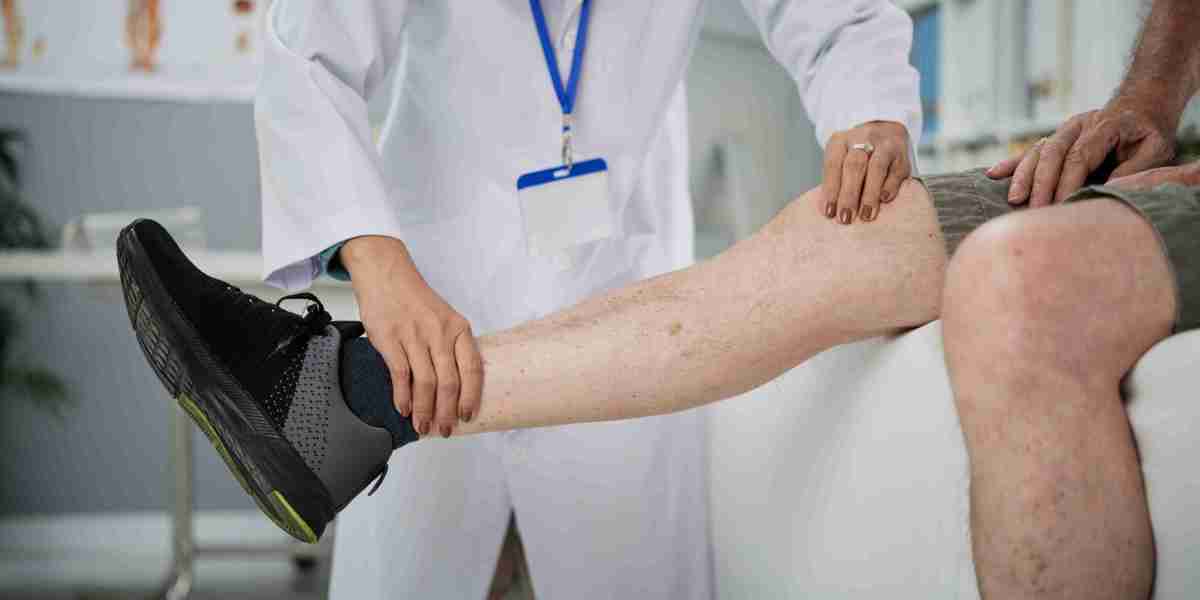
Many people do not think about the health of their veins until they begin experiencing symptoms such as swollen legs, aching calves, or visible varicose veins. However, these signs may indicate venous hypertension , a condition caused by increased pressure inside the veins. While anyone can develop this condition, certain individuals are at a much higher risk due to age, lifestyle, medical history, or genetic factors.
Understanding who is most likely to develop venous hypertension is essential for recognizing early symptoms and taking preventive steps before complications occur. Left untreated, the condition can lead to chronic swelling, skin discoloration, venous leg ulcers, and reduced mobility.
This comprehensive guide explains the risk factors, causes, symptoms, diagnosis, treatment options, prevention strategies, and frequently asked questions related to venous hypertension.
What is venous hypertension?
Venous hypertension is a condition in which pressure inside the veins remains higher than normal over a prolonged period. It most commonly affects the veins in the legs because they must work against gravity to return blood to the heart.
Healthy veins contain one-way valves that keep blood flowing upward. When these valves weaken or become damaged, blood begins to flow backward and collect inside the veins. This blood pooling increases pressure, stretches the vein walls, and affects nearby tissues.
Over time, untreated venous hypertension may cause swelling, pain, skin damage, and chronic venous leg ulcers.
How Healthy Veins Work
The veins in your legs depend on several systems to keep blood moving efficiently.
Healthy circulation requires:
Strong one-way valves
Flexible vein walls
Healthy blood vessels
Active calf muscles
Normal blood flow
Every step you take activates your calf muscles, which pump blood upward toward the heart. The vein valves then close to prevent blood from flowing backward.
When these valves stop functioning properly, blood collects in the lower legs, increasing venous pressure.
Who Is Most at Risk for Venous Hypertension?
Several factors increase the likelihood of developing venous hypertension.
1. Older Adults
As people age, vein walls naturally lose elasticity and the valves become less effective.
This gradual weakening increases the risk of blood pooling and elevated venous pressure.
2. People with Obesity
Carrying excess body weight places additional pressure on the veins, making it more difficult for blood to travel upward toward the heart.
Maintaining a healthy weight helps reduce this strain.
3. Pregnant Women
Pregnancy increases the risk because:
Hormonal changes relax vein walls.
Blood volume increases.
The growing uterus places pressure on pelvic veins.
Blood circulation slows.
Although symptoms often improve after pregnancy, some individuals continue to experience vein problems.
4. Individuals with Chronic Venous Insufficiency
Chronic venous insufficiency is one of the leading causes of venous hypertension because damaged vein valves allow blood to flow backward.
5. People with Varicose Veins
Visible varicose veins are often a sign of weakened vein valves and poor circulation.
Although they may appear cosmetic, they frequently indicate underlying venous disease.
6. People with a History of Blood Clots
Previous deep vein thrombosis can permanently damage the valves inside the veins.
This damage increases the likelihood of developing venous hypertension later in life.
7. People Who Stand for Long Hours
Certain occupations require prolonged standing.
Examples include:
Teachers
Retail workers
Factory employees
Healthcare professionals
Security personnel
Without regular movement, blood tends to pool in the lower legs.
8. People Who Sit for Long Periods
Sedentary lifestyles also increase venous pressure.
Examples include:
Office workers
Drivers
Frequent travelers
Remote workers
Regular movement breaks improve circulation.
9. Individuals with a Family History
Genetics can influence vein strength and valve function.
Having close family members with vein disease may increase your risk.
10. Smokers
Smoking damages blood vessels and reduces healthy circulation, making vein disorders more likely.
Common Causes of Venous Hypertension
The underlying causes include:
Damaged vein valves
Chronic venous insufficiency
Previous blood clots
Obesity
Pregnancy
Aging
Varicose veins
Prolonged standing
Prolonged sitting
Reduced physical activity
These factors often work together to increase venous pressure.
Symptoms of Venous Hypertension
Symptoms usually develop gradually.
Common warning signs include:
Swollen ankles
Leg swelling
Heavy legs
Aching pain
Burning sensation
Muscle cramps
Visible varicose veins
Skin discoloration
Dry or itchy skin
Thickened skin
Slow-healing wounds
Venous leg ulcers
Symptoms often become worse after standing for extended periods.
How Is Venous Hypertension Diagnosed?
Early diagnosis helps reduce complications.
Medical History
A healthcare provider may ask about:
Symptoms
Family history
Previous blood clots
Occupation
Lifestyle habits
Physical Examination
The legs are examined for:
Swelling
Enlarged veins
Skin discoloration
Tenderness
Ulcers
Duplex Ultrasound
A duplex ultrasound evaluates:
Blood flow
Vein valve function
Blood clots
Vein structure
Venous reflux
It is one of the most effective diagnostic tests for venous hypertension.
Treatment Options
Treatment focuses on improving circulation and reducing pressure inside the veins.
Compression Therapy
Compression stockings help blood return toward the heart.
Benefits include:
Reduced swelling
Improved circulation
Less discomfort
Lower ulcer risk
Regular Exercise
Physical activity strengthens the calf muscles and improves blood flow.
Helpful exercises include:
Walking
Swimming
Cycling
Stretching
Water aerobics
Weight Management
Maintaining a healthy body weight reduces stress on the veins.
Leg Elevation
Elevating the legs above heart level several times each day reduces swelling.
Healthy Diet
Choose foods rich in:
Fruits
Vegetables
Whole grains
Lean protein
Healthy fats
Fiber
Limiting sodium may also reduce fluid retention.
Prevention Tips
Although not every case can be prevented, several habits support healthy veins.
Stay Physically Active
Regular exercise improves blood circulation.
Maintain a Healthy Weight
Healthy weight reduces venous pressure.
Avoid Sitting Too Long
Stand and walk every hour.
Avoid Standing for Long Periods
Take movement breaks whenever possible.
Wear Compression Stockings
Compression garments may help individuals at higher risk.
Stay Hydrated
Proper hydration supports healthy circulation.
Avoid Smoking
Smoking damages blood vessels and worsens circulation.
Protect Your Skin
Healthy skin is less likely to develop ulcers.
Possible Complications
Without proper treatment, venous hypertension may lead to:
Chronic swelling
Persistent pain
Skin discoloration
Thickened skin
Venous eczema
Skin infections
Venous ulcers
Reduced mobility
Bleeding varicose veins
Early management significantly lowers these risks.
Frequently Asked Questions (FAQs)
1. Who is most likely to develop venous hypertension?
Older adults, people with obesity, pregnant women, individuals with chronic venous insufficiency, previous blood clots, or a family history of vein disease have a higher risk.
2. Can sitting too much increase the risk of venous hypertension?
Yes. Long periods of sitting reduce blood circulation and may contribute to increased pressure inside the veins.
3. Does obesity increase the risk?
Yes. Excess body weight places additional stress on the veins and makes it harder for blood to return to the heart.
4. Can exercise reduce the risk of venous hypertension?
Yes. Walking, swimming, cycling, and other low-impact activities improve circulation and strengthen the calf muscles.
5. Are varicose veins a warning sign?
Yes. Varicose veins often indicate weakened vein valves and may be associated with venous hypertension.
6. Can venous hypertension be prevented?
Although some risk factors such as age and genetics cannot be changed, maintaining a healthy lifestyle can significantly reduce the likelihood of developing the condition.
7. When should I seek medical attention?
Seek medical evaluation if you experience persistent leg swelling, skin discoloration, visible varicose veins, slow-healing wounds, or worsening leg pain.
Conclusion
Understanding who is at risk for venous hypertension is the first step toward protecting your vein health. Factors such as aging, obesity, pregnancy, chronic venous insufficiency, prolonged sitting or standing, previous blood clots, and family history can all increase the likelihood of developing this condition. Fortunately, many risk factors can be managed through healthy lifestyle choices, including regular physical activity, maintaining a healthy weight, staying hydrated, using compression therapy when appropriate, and avoiding prolonged inactivity. Recognizing symptoms early and seeking timely medical evaluation can help prevent complications such as chronic swelling, skin damage, and venous leg ulcers, allowing you to maintain better circulation and long-term mobility.