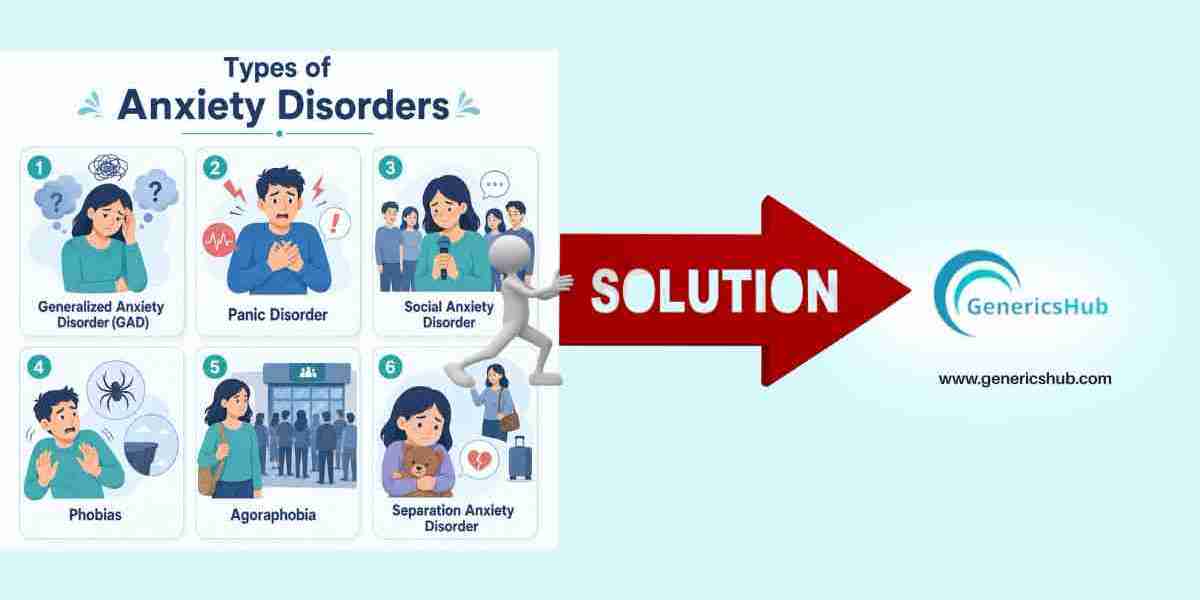
Anxiety is a natural response to stress, but when it becomes persistent, overwhelming, or interferes with daily life, it may be classified as an anxiety disorder. Millions of people worldwide experience anxiety disorders every year, making them among the most common mental health conditions.
If you've ever wondered what are the 6 types of anxiety disorders, this guide explains each condition, its symptoms, possible causes, treatment options, and practical ways to manage anxiety. Understanding these disorders can help individuals recognize symptoms early and seek professional support.
What Are the 6 Types of Anxiety Disorders?
Mental health professionals commonly recognize the following six major anxiety disorders:
- Generalized Anxiety Disorder (GAD)
- Panic Disorder
- Social Anxiety Disorder
- Specific Phobias
- Separation Anxiety Disorder
- Selective Mutism
Let's explore each one in detail.
- Generalized Anxiety Disorder (GAD)
Generalized Anxiety Disorder involves excessive and uncontrollable worry about everyday situations, including work, finances, health, relationships, or family responsibilities.
Common Symptoms
- Constant worrying
- Restlessness
- Fatigue
- Difficulty concentrating
- Muscle tension
- Irritability
- Trouble sleeping
People with GAD often expect the worst even when there is little reason for concern. The symptoms usually persist for six months or longer.
- Panic Disorder
Panic Disorder causes sudden episodes of intense fear known as panic attacks. These attacks often occur unexpectedly and can be frightening.
Symptoms of a Panic Attack
- Rapid heartbeat
- Chest pain
- Sweating
- Shortness of breath
- Trembling
- Feeling dizzy
- Fear of losing control
- Fear of dying
Many people with Panic Disorder begin avoiding places where previous attacks occurred, affecting work and social activities.
- Social Anxiety Disorder
Social Anxiety Disorder is much more than shyness. It involves an intense fear of being judged, embarrassed, or negatively evaluated during social interactions.
Common Symptoms
- Fear of speaking in public
- Avoiding social gatherings
- Difficulty making eye contact
- Blushing excessively
- Sweating during conversations
- Fear of meeting new people
Without treatment, Social Anxiety Disorder can affect careers, education, relationships, and overall quality of life.
- Specific Phobias
Specific phobias involve extreme fear of a particular object or situation.
Examples include:
- Fear of heights
- Fear of flying
- Fear of spiders
- Fear of injections
- Fear of enclosed spaces
- Fear of thunderstorms
Although people recognize their fear is excessive, they often go to great lengths to avoid the trigger.
- Separation Anxiety Disorder
While often associated with children, adults can also develop Separation Anxiety Disorder.
Individuals experience excessive fear about being separated from loved ones or caregivers.
Symptoms
- Constant worry about losing loved ones
- Refusing to leave home
- Nightmares about separation
- Physical symptoms when separated
- Extreme distress before travel
Treatment can significantly improve symptoms and daily functioning.
- Selective Mutism
Selective Mutism is a childhood anxiety disorder where children consistently fail to speak in certain social situations despite speaking normally at home.
Common Signs
- Speaking comfortably with family
- Remaining silent at school
- Avoiding conversations with strangers
- Social withdrawal
- Difficulty participating in classroom activities
Early intervention usually leads to better outcomes.
What Causes Anxiety Disorders?
There isn't one single cause. Instead, anxiety disorders usually result from multiple factors working together.
Common risk factors include:
- Genetics
- Brain chemistry
- Chronic stress
- Childhood trauma
- Medical conditions
- Substance misuse
- Major life changes
- Family history of mental illness
Understanding these factors helps healthcare providers develop personalized treatment plans.
Symptoms Shared by Most Anxiety Disorders
Although every disorder is different, many share similar symptoms.
Emotional Symptoms
- Constant worry
- Fear
- Irritability
- Feeling overwhelmed
- Difficulty relaxing
Physical Symptoms
- Increased heart rate
- Sweating
- Muscle tension
- Headaches
- Digestive problems
- Fatigue
Behavioral Symptoms
- Avoiding stressful situations
- Social withdrawal
- Difficulty concentrating
- Poor work performance
- Sleep disturbances
Many people with anxiety also experience Sleep Disorders, making it harder to recover emotionally and physically.
How Anxiety Disorders Are Diagnosed
Healthcare professionals diagnose anxiety disorders using:
- Medical history
- Physical examination
- Psychological evaluation
- Diagnostic criteria from mental health guidelines
Proper diagnosis is essential because anxiety symptoms may overlap with depression, thyroid disorders, heart conditions, and other medical illnesses.
Treatment Options for Anxiety Disorders
The good news is that anxiety disorders are highly treatable.
Treatment may include:
Cognitive Behavioral Therapy (CBT)
CBT helps people identify unhealthy thought patterns and replace them with healthier coping strategies.
Medications
Depending on the diagnosis, healthcare professionals may prescribe medications such as antidepressants or anti-anxiety medicines.
Some individuals may be prescribed medications like Fluxican 60 Mg or Nexito LS, but these should only be taken under the guidance of a qualified healthcare provider. Self-medication is not recommended, and treatment plans should always be individualized.
Lifestyle Changes
Healthy habits can significantly improve anxiety symptoms.
These include:
- Regular exercise
- Balanced nutrition
- Limiting caffeine
- Mindfulness meditation
- Deep breathing exercises
- Maintaining a consistent sleep schedule
Anxiety, Sleep Disorders, and Modafinil
Many people living with anxiety also struggle with Sleep Disorders, including insomnia and poor sleep quality. Inadequate sleep can worsen anxiety symptoms, creating a cycle that's difficult to break.
Some individuals who experience excessive daytime sleepiness due to specific sleep-related conditions may be prescribed Modafinil by a healthcare provider. However, Modafinil is not a treatment for anxiety itself and should only be used for approved medical conditions under professional supervision.
Improving sleep through good sleep hygiene, stress management, and appropriate medical care often plays an important role in managing anxiety.
Can Anxiety Disorders Be Prevented?
Although not every anxiety disorder can be prevented, several healthy habits may reduce the risk.
Helpful strategies include:
- Managing stress early
- Exercising regularly
- Sleeping 7–9 hours each night
- Avoiding excessive alcohol and recreational drugs
- Practicing mindfulness
- Building strong social connections
- Seeking help when symptoms first appear
Early treatment often leads to better long-term outcomes.
Shop Mental Health Medications at Genericshub
If you have a valid prescription and are looking for trusted healthcare products, genericshub offers a wide selection of medications for various health conditions. Customers across the United States, United Kingdom, Australia, Canada, and many other countries choose genericshub for its global shipping, secure ordering process, competitive pricing, and reliable customer support. Whether you're searching for prescription medications such as Fluxican 60 Mg, Nexito LS, or other healthcare products, always consult a licensed healthcare professional before purchasing or starting any treatment.
Frequently Asked Questions
What are the 6 types of anxiety disorders?
The six commonly recognized anxiety disorders are:
- Generalized Anxiety Disorder
- Panic Disorder
- Social Anxiety Disorder
- Specific Phobias
- Separation Anxiety Disorder
- Selective Mutism
Is Social Anxiety Disorder treatable?
Yes. Most people improve with psychotherapy, lifestyle changes, and when appropriate, medication prescribed by a healthcare professional.
Can anxiety cause Sleep Disorders?
Yes. Anxiety commonly contributes to insomnia, restless sleep, and frequent nighttime awakenings.
Is Modafinil used to treat anxiety?
No. Modafinil is not approved to treat anxiety disorders. It may be prescribed for certain sleep disorders, depending on the individual's medical condition.
Should I take Fluxican 60 Mg or Nexito LS without a prescription?
No. These medications should only be taken under the supervision of a qualified healthcare provider.
Conclusion
Understanding what are the 6 types of anxiety disorders is the first step toward recognizing symptoms and seeking appropriate care. Conditions such as Social Anxiety Disorder, Panic Disorder, and Generalized Anxiety Disorder can significantly affect daily life, but effective treatments are available. Combining professional care, healthy lifestyle habits, and good sleep practices can greatly improve quality of life. If anxiety symptoms persist or interfere with your daily routine, consult a qualified healthcare professional for an accurate diagnosis and personalized treatment plan.