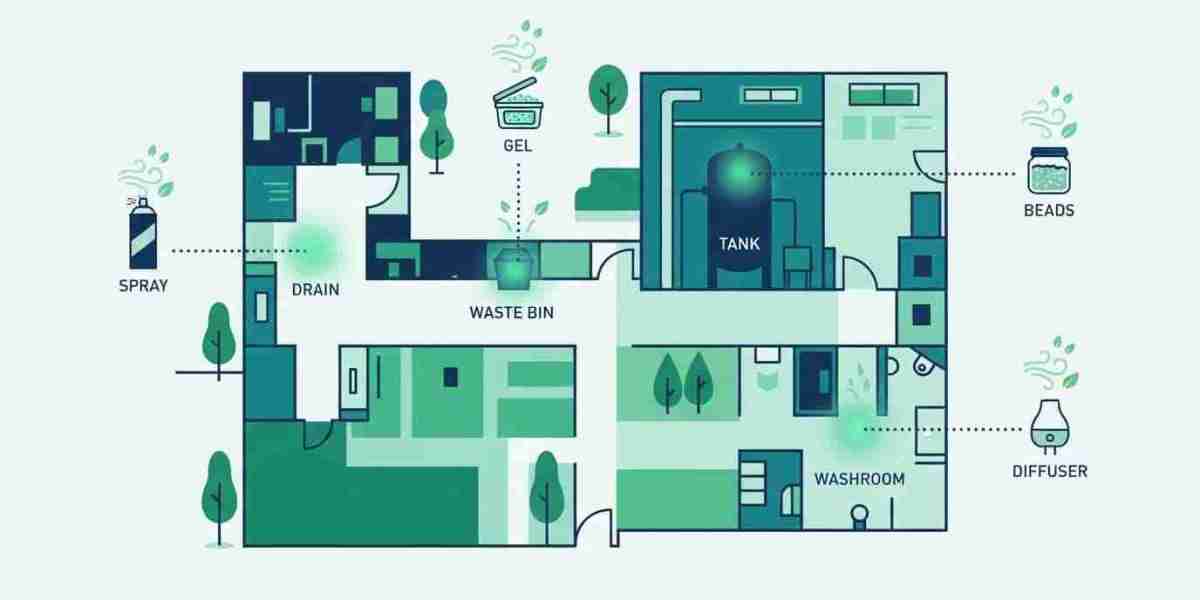
OdoServe Odour Control is a range of products from Amalgam Biotech for removing foul smell at the source in industrial, commercial and municipal sites. Odour problems differ from place to place, so one format rarely fits all. This guide explains how to match each type of odour source with the right form.
Why Odour Needs a Plan
Foul smell comes from gases such as hydrogen sulphide, ammonia, amines and organic acids. These gases form where waste rots without enough oxygen. A site may have many sources at once, such as drains, bins, tanks, waste yards and washrooms. A plan finds each source and picks the right tool.
Step 1: Map the Sources
Walk the site and note each place where smell is strong. Score it from one to five. Note the time, the weather and any events. Include neighbours if complaints exist. This map shows where a small fix can give a large drop in smell.
Step 2: Match the Form to the Place
OdoServe Odour Control comes in several formats, so check the product sheet for exact uses.
Spray and Mist
Sprays suit open areas, bins, washrooms and waste yards, where you can reach the surface or the air above it.
Gel
A gel format clings to surfaces for longer than a thin liquid, which helps on vertical walls and bins.
Dry Beads
Beads sit in bins, drains, cabinets, vehicles and small rooms. They need little care and work where liquids are hard to apply.
Diffusers
Diffusers release vapour into closed rooms and corridors for steady control.
Step 3: Treat the Cause First
Products give strong results only when the source is under control. Clean drains, remove waste fast, keep tanks mixed and fix leaks. In wastewater plants, use biological dosing to cut the organic matter that creates gas.
Step 4: Set the Dose and Schedule
Follow the label and your dosing guide. Start with the lowest effective amount and adjust in small steps. Record the date, place and amount. A fixed schedule prevents missed doses.
Step 5: Measure the Result
Use smell scores from staff and neighbours. Use a gas meter at tanks and sumps if the risk is high. Compare readings before and after. Share the data with managers to justify the plan. Update the map each season. Keep copies.
Where Sites Use OdoServe Odour Control
Wastewater plants use it at sumps, tanks and sludge areas. Food plants use it at drains and waste rooms. Hotels and hospitals use it in washrooms and waste stores. Farms and markets use it at yards and bins.
Cost Planning
Count product cost, labour and the cost of complaints. A small steady plan often costs less than repeated emergency cleans. Ask for a written plan and review it every quarter.
Train the Team
Show staff each format and the correct amount. Give them a one page guide. Name one person to own the plan.
Safety and Storage
Store products in cool, dry places away from direct sun. Read the safety data sheet. Wear gloves when you handle liquids or beads. Do not mix with other chemicals unless the label says it is safe.
Common Mistakes
Many sites use perfume to cover smell, which adds a second odour. Others overdose, which wastes money. Some skip records and cannot prove results.
Conclusion
The right form, the right place and a steady schedule make odour control work. Treat the cause, apply the product with care and keep records. Learn more about OdoServe Odour Control or contact Amalgam Biotech for a site assessment.