


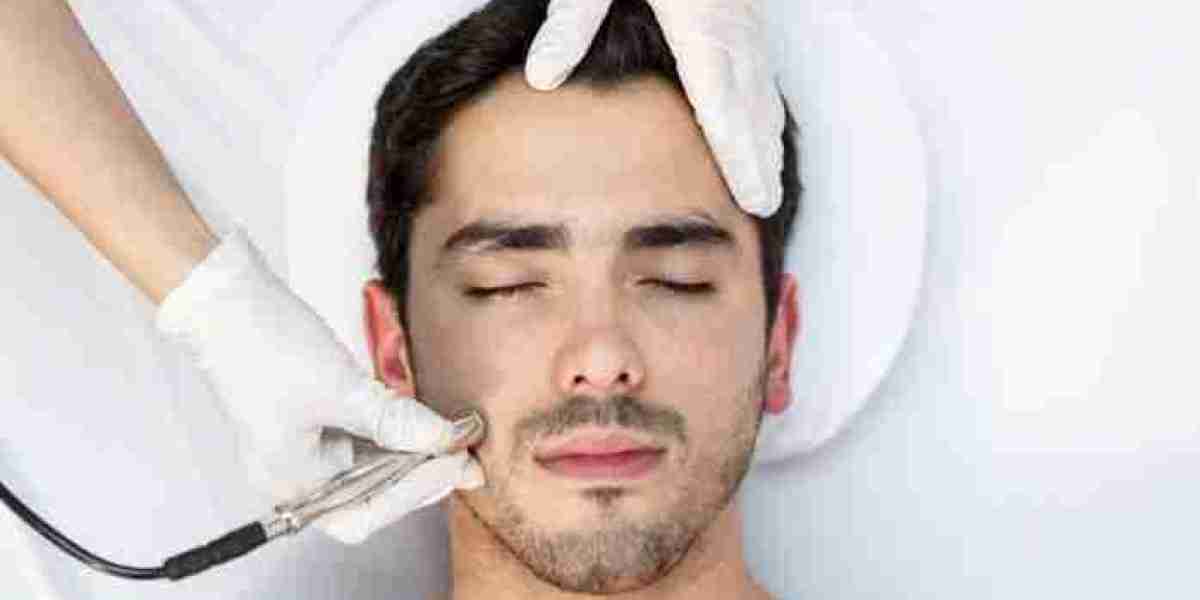
Cosmetic treatments are medical procedures, even when they feel routine. Suitability is not a marketing decision but a clinical one, based on your history, your skin, and your general health. This article examines the medical considerations surrounding a HydraFacial Treatment in Dubai: who should proceed with caution, what risks deserve discussion, and why honest screening protects patients more than optimistic sales language.
Why Medical History Comes Before Skin Appearance
A patient can look like an ideal candidate and still carry a contraindication. Medications, underlying conditions, and previous procedures all influence safety.
Key areas clinicians review include:
Skin conditions such as eczema, rosacea, or psoriasis
History of cold sores or viral skin infections
Autoimmune or bleeding disorders
Current prescriptions, especially retinoids and anticoagulants
Allergies to acids, fragrances, or cosmetic ingredients
Pregnancy and breastfeeding status
These factors do not automatically exclude treatment, but they change how it should be delivered or whether it should be deferred.
HydraFacial Treatment in Dubai: Conditions Requiring Deferral
Some presentations call for postponement rather than modification:
Active infection. Bacterial, viral, or fungal skin infections should be treated before any facial.
Open wounds or lesions. Broken skin is vulnerable to irritation and infection.
Severe inflammatory acne. Medical management takes priority over cosmetic intervention.
Recent aggressive procedures. Lasers, deep peels, and microneedling require spacing.
Sunburn or significant irritation. Compromised barriers need recovery time.
Known product allergy. Alternative serums may be possible, but only after review.
A responsible clinician explains the reasoning behind deferral rather than simply refusing.
Medication Interactions Worth Disclosing
Certain medications increase skin sensitivity or affect healing:
Isotretinoin: Timing of treatment after completion requires clinical judgment.
Topical retinoids: Often paused briefly before and after treatment.
Anticoagulants: May increase bruising risk with suction.
Photosensitising drugs: Can heighten reactions to light and heat exposure.
Immunosuppressants: May affect infection risk and healing.
Disclose everything, including supplements and over-the-counter products. Clinicians cannot assess what they do not know.
Pregnancy and Breastfeeding
This deserves specific attention. Serum ingredients vary between product lines, and some are best avoided during pregnancy or breastfeeding.
A HydraFacial Treatment in Dubai should only proceed after a product-by-product review, and many clinicians prefer deferral until breastfeeding concludes. This is precautionary rather than a suggestion that the procedure is inherently dangerous.
Realistic Risk Discussion
Every procedure carries some risk, however small. Patients should hear about them before consenting:
Redness and tightness lasting hours to days
Irritation or contact reactions to serums
Temporary marking after extraction
Breakouts in acne-prone skin
Rare infection where hygiene or aftercare lapses
No treatment carries zero risk, and any provider claiming otherwise is misrepresenting clinical reality.
The Limits of Cosmetic Intervention
A HydraFacial is a surface-level treatment. It does not treat:
Cystic acne
Melasma or significant pigmentation
Deep scarring
Structural ageing or volume loss
Skin cancers or suspicious lesions
If a lesion looks unusual, the correct pathway is dermatological assessment, not a facial. Clinicians should refer rather than treat when findings warrant it.
Informed Consent as a Safety Tool
Consent is not a signature collected for legal cover; it is a conversation. It should cover what will be done, what alternatives exist, what risks apply, and what happens if complications arise.
Patients who understand the plan make better decisions and report concerns earlier. At Tajmeels Clinic in Dubai, medical history review and suitability screening form part of every treatment decision, because appropriate selection protects both safety and outcomes.
When to Seek Medical Advice Instead
Consider a dermatological consultation first if you have:
Rapidly changing moles or lesions
Persistent unexplained rashes
Severe or cystic acne
Significant pigmentation changes
Skin that reacts strongly to most products
Cosmetic facials have a place, but they are not a substitute for diagnosis.
Questions Patients Should Ask
Are there any medical reasons I should not proceed?
Which ingredients will be used, and could any affect my condition?
What should I do if I develop a reaction?
Who handles complications, and how quickly?
When should I choose a different treatment entirely?
Straight answers build justified confidence.
Final Assessment
A HydraFacial Treatment in Dubai is generally low-risk when delivered with proper screening, but suitability is individual. Disclose your full history, expect a real risk discussion, and accept deferral if recommended. Medical responsibility begins with honest assessment, and patients who choose providers accordingly receive safer, more predictable care.
Ready to Begin Your Transformation?
Get in touch with us today to explore exclusive offers and find the right treatment for you!
WhatsApp: +971 56 203 8751
Phone: +971 4 373 9000
Social Media:



