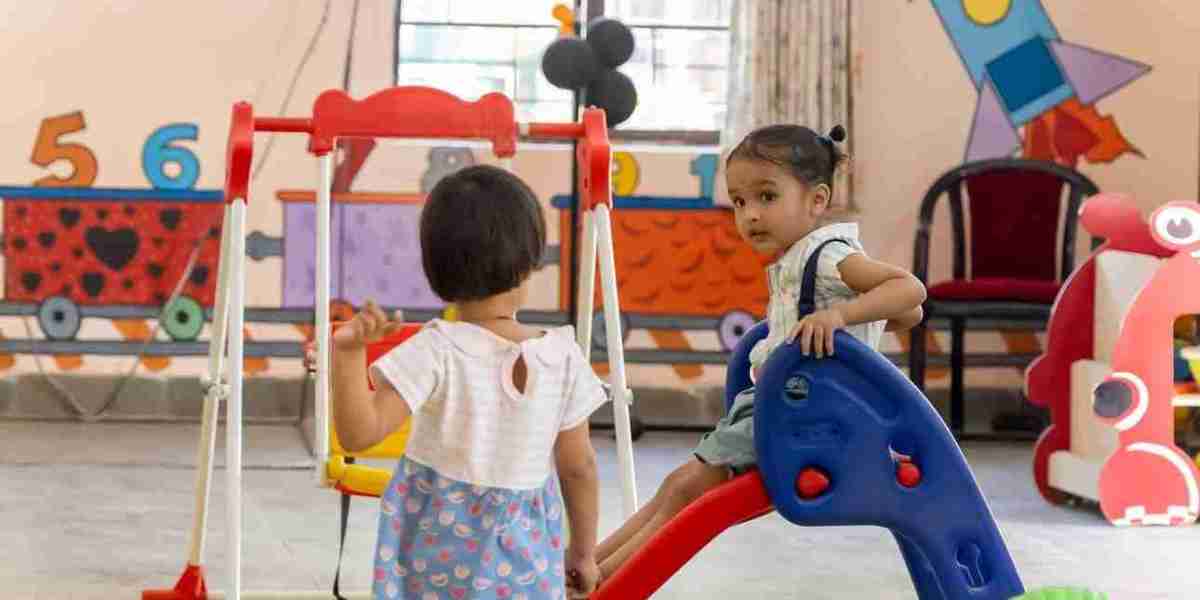
Inclusive preschool education is about much more than ensuring every child has a seat in the classroom. True inclusion happens when every child feels accepted, respected, understood, and emotionally secure. Emotional safety creates the confidence children need to explore, communicate, build friendships, and develop essential life skills. Without it, even the most well-equipped classroom can struggle to support meaningful learning.
As early childhood education continues to evolve, educators and parents increasingly recognize that emotional well-being is just as important as academic readiness. Research consistently shows that emotionally safe environments improve self-regulation, resilience, participation, and social development in young children.
Understanding Emotional Safety in Preschool
Emotional safety means children feel:
- Accepted regardless of their abilities or background
- Comfortable expressing emotions without fear of punishment or ridicule
- Confident asking for help
- Secure enough to take learning risks
- Included in classroom activities
- Respected by teachers and peers
Children who experience emotional safety develop trust in adults. This trust becomes the foundation for learning because children can focus their energy on exploration instead of managing fear or anxiety.
In inclusive classrooms, emotional safety becomes even more critical because children may have diverse developmental needs, communication styles, sensory preferences, or learning abilities.
Why Inclusion Begins with Emotional Safety
Many people think inclusion simply means placing children with different abilities in the same classroom. However, physical placement alone does not create inclusion.
Real inclusion requires every child to experience:
- Belonging
- Acceptance
- Respect
- Participation
- Equal opportunities to learn
When emotional safety is missing, children may withdraw, avoid participation, or experience increased anxiety.
Conversely, emotionally safe classrooms encourage children to:
- Build friendships naturally
- Participate in group discussions
- Explore new activities
- Develop empathy
- Solve problems together
Experts note that children are most willing to learn, experiment, and build resilience when they trust the adults around them and know mistakes are treated as learning opportunities rather than failures.
The Connection Between Emotional Safety and Brain Development
Early childhood is one of the most important periods of brain development.
Positive emotional experiences help strengthen neural pathways responsible for:
- Emotional regulation
- Memory
- Attention
- Language development
- Executive functioning
- Social interaction
When children experience chronic stress or fear, their brains focus more on survival than learning.
An emotionally supportive classroom helps children remain calm, curious, and engaged, creating ideal conditions for cognitive development.
Emotional Safety Benefits Every Child
Inclusive classrooms serve children with a wide range of developmental profiles, including:
- Typically developing children
- Children with autism
- Children with ADHD
- Children with speech delays
- Children with sensory processing differences
- Children with physical disabilities
- Children from different cultural and linguistic backgrounds
An emotionally safe environment benefits all learners by encouraging cooperation instead of competition.
Children learn to:
- Respect differences
- Show empathy
- Work collaboratively
- Celebrate individual strengths
- Resolve conflicts peacefully
These skills extend well beyond preschool and contribute to lifelong emotional intelligence.
Characteristics of an Emotionally Safe Inclusive Classroom
Warm Teacher-Child Relationships
Teachers are often the emotional anchors of preschool classrooms.
Emotionally responsive teachers:
- Listen patiently
- Validate children's feelings
- Offer reassurance
- Use encouraging language
- Stay calm during challenging situations
Children feel secure when adults respond consistently rather than react emotionally.
Predictable Daily Routines
Predictability reduces anxiety.
Visual schedules, consistent transitions, and familiar classroom routines help children understand what comes next, especially those who benefit from structure.
Positive Behaviour Guidance
Instead of punishment, emotionally safe classrooms focus on teaching appropriate behaviour through:
- Redirection
- Problem-solving
- Modeling
- Emotional coaching
- Positive reinforcement
Children gradually learn self-regulation rather than simply following rules out of fear.
Respect for Individual Differences
Inclusive classrooms recognize that children develop at different rates.
Teachers adapt learning experiences instead of expecting every child to perform identically.
This approach encourages confidence rather than comparison.
Emotional Safety Supports Social Inclusion
Many preschoolers are still learning:
- Sharing
- Taking turns
- Communicating needs
- Managing frustration
- Understanding others' emotions
Children who feel emotionally safe are more likely to:
- Join group activities
- Initiate conversations
- Make friends
- Help classmates
- Participate during circle time
Instead of worrying about making mistakes, they become active participants in classroom life.
The Teacher's Role in Building Emotional Safety
Teachers shape classroom culture every day.
Some effective practices include:
- Greeting every child warmly
- Learning children's interests
- Using encouraging language
- Offering choices
- Celebrating effort
- Helping children identify emotions
- Modeling respectful communication
Simple daily interactions create lasting emotional security.
Research emphasizes that teachers who model calm behaviour help preschool children develop resilience and emotional regulation over time.
Partnering with Families
Inclusion works best when parents and teachers collaborate.
Strong partnerships include:
- Regular communication
- Sharing developmental progress
- Discussing emotional needs
- Celebrating achievements
- Working together on behaviour strategies
When children experience similar emotional support at home and school, they feel more secure.
Designing Classrooms That Promote Emotional Safety
The physical environment also influences emotional well-being.
Inclusive classrooms often include:
- Quiet calming spaces
- Comfortable reading corners
- Flexible seating
- Sensory-friendly materials
- Clearly organized learning areas
- Accessible play equipment
These thoughtful design choices reduce stress and increase children's confidence.
Emotional Safety and Preschool Quality
Parents increasingly evaluate preschools based not only on academics but also on how children are treated emotionally.
High-quality early childhood programs emphasize:
- Respectful communication
- Positive relationships
- Individualized learning
- Social-emotional development
- Inclusive practices
Families searching for a trusted preschool in ghaziabad often look beyond facilities and curriculum. They want schools where children feel welcomed, valued, and emotionally supported from the very first day.
Similarly, investors considering a Preschool franchise in Hyderabad understand that long-term success depends not only on infrastructure but also on building nurturing environments where children thrive emotionally and socially.
The same applies to entrepreneurs exploring a Preschool franchise in Mumbai, where parents increasingly prioritize holistic child development alongside academic preparation.
Likewise, choosing a reputed play school franchise means investing in systems that support teacher training, child-centered learning, and emotionally responsive educational practices.
Practical Strategies Schools Can Implement
Schools can strengthen emotional safety by:
- Providing teacher training on social-emotional learning
- Encouraging peer buddy systems
- Incorporating mindfulness activities
- Using emotion charts
- Creating inclusive classroom rules together
- Celebrating diversity through books and activities
- Offering regular parent workshops
- Monitoring children's emotional well-being alongside academic progress
These strategies foster genuine inclusion rather than symbolic participation.
Conclusion
Emotional safety is the invisible foundation upon which successful preschool inclusion is built. Children cannot fully explore, learn, communicate, or form meaningful relationships if they constantly feel anxious, misunderstood, or excluded.
When schools prioritize emotional well-being, inclusion becomes more than a policy—it becomes a daily experience where every child feels valued, respected, and capable of success. Warm relationships, predictable routines, positive guidance, and acceptance of individual differences empower children to grow academically, socially, and emotionally.
For parents selecting a preschool, educators refining classroom practices, or entrepreneurs investing in a play school franchise, emotional safety should remain at the heart of every decision. Whether families are exploring a preschool in ghaziabad or investors are evaluating a Preschool franchise in Hyderabad or a Preschool franchise in Mumbai, the most meaningful measure of quality is not only what children learn but also how safe, confident, and included they feel every day.