
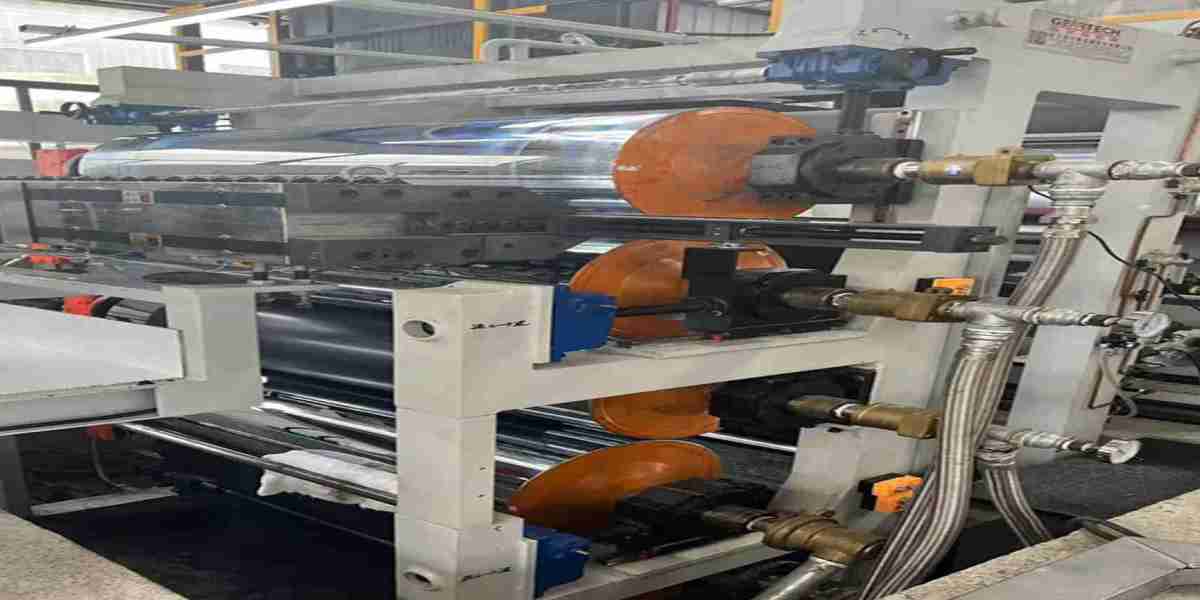
Setting up an aluminum composite panel factory involves more than purchasing machinery and arranging a production space. Manufacturers need to consider raw material specifications, finished panel dimensions, production capacity, and the types of orders they intend to handle. Aluminum Composite Panel Equipment should be selected according to these practical requirements to ensure that the production line fits the factory's actual business needs.
Define Your Product Specifications First
Before contacting an equipment supplier, buyers should identify the panel products they plan to manufacture. Common considerations include panel width, overall thickness, aluminum coil thickness, and core material.
For example, a factory supplying panels for building facades may require different production specifications from a manufacturer focusing on indoor decoration or advertising boards. Defining these details early makes it easier to compare equipment configurations and avoid purchasing machinery that does not match the intended products.
Understand the Main Equipment Sections
An ACP production line usually contains several connected processing sections. Aluminum coil unwinding prepares the metal sheets for further processing, while surface treatment helps prepare the material for bonding. The extrusion system handles the core material, and the lamination section combines the aluminum layers with the core.
Cooling, edge trimming, and cutting are also important because they help prepare panels for subsequent inspection, packaging, and delivery. Buyers should understand the function of each section instead of evaluating a machine only by its overall appearance or advertised production speed.
Check Production Capacity and Factory Space
Production speed is an important purchasing factor, but it should be considered together with panel dimensions, operating conditions, and the actual output required by the business. A production line with a suitable working speed can help manufacturers organize shifts and manage delivery schedules.
Factory space also needs attention. Equipment dimensions, material storage areas, finished product handling, and maintenance access should all be included in the workshop layout. A production line that fits the available building structure can reduce installation difficulties and improve daily material movement.
Evaluate Operation and Maintenance Requirements
Equipment operation has a direct relationship with production management. Buyers should ask about control systems, adjustment procedures, operator training, spare parts, and routine maintenance. Clear operating instructions can help new employees become familiar with the production process.
It is also useful to discuss after-sales technical support before placing an order. Installation guidance and troubleshooting assistance can help factories deal with equipment issues during commissioning and regular production.
Make a Purchasing Decision Based on Actual Needs
Choosing Aluminum Composite Panel Equipment requires a balance between product specifications, investment plans, workshop conditions, and long-term manufacturing goals. Buyers who prepare detailed requirements can communicate more clearly with machinery suppliers and compare different configurations.
A suitable ACP production line gives manufacturers a practical foundation for producing panels used in construction, commercial decoration, signage, and other applications.
Product Information: https://www.coating-line.com/product/acp-production-line.html