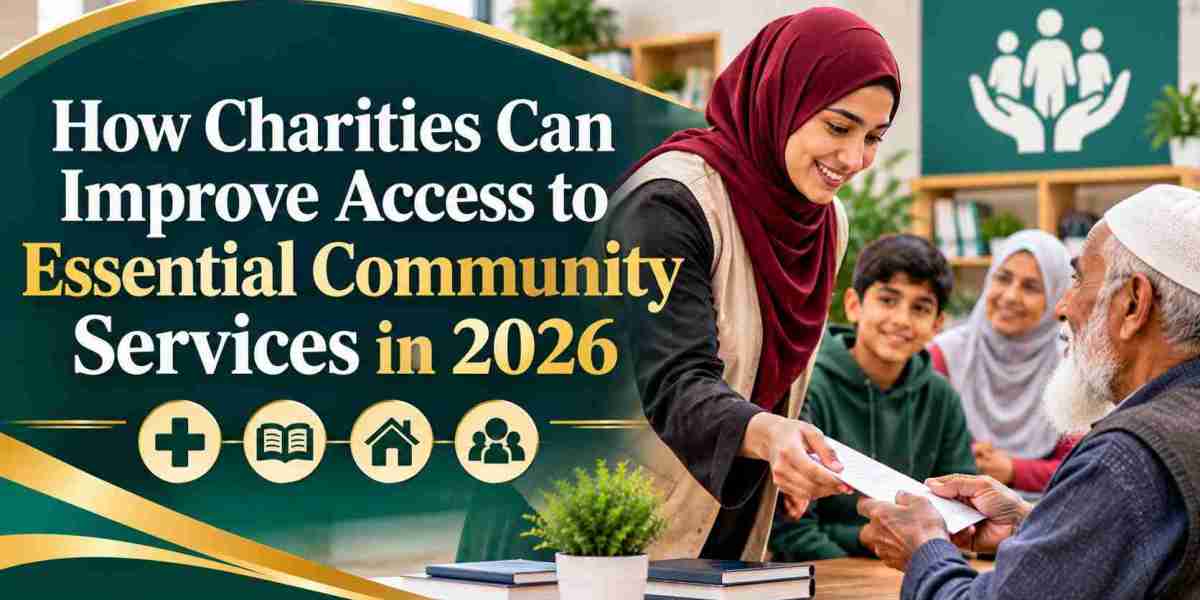
Access to essential services can influence the quality of life of individuals and families. Education, healthcare, food assistance, clean water, and basic social support are important for communities facing financial or social difficulties. Charitable initiatives can help address gaps by identifying local needs and connecting people with suitable resources. A Rowad Madinah charity project, for example, can contribute to community support by focusing on practical assistance and ensuring that people know how to access available services.
However, providing a service is only one part of the process. Charities must also consider whether people can reach that service, understand the available support, and receive assistance without unnecessary barriers. Careful planning and cooperation can help organizations make their programs more accessible and useful.
Identify the Barriers People Face
Before introducing a new service, charitable organizations should examine the difficulties that prevent people from accessing existing support. These barriers can differ from one community to another.
Some families may live far from healthcare facilities or educational centers. Others may face transportation costs, language difficulties, limited internet access, or a lack of information about available assistance. People with disabilities may encounter physical barriers when buildings and service arrangements are not accessible.
Charities can identify these challenges by speaking with community members, local representatives, service providers, and relevant organizations. Short interviews and community discussions can reveal problems that may not be visible through general research.
It is important not to assume that every household experiences the same difficulties. A service that works well in one area may be unsuitable in another. Local information helps charities select practical solutions instead of introducing programs based on assumptions.
Assess Community Needs Before Allocating Resources
A needs assessment helps an organization decide which issues require attention first. Charities often have limited budgets, staff, and volunteer capacity, so they need a reasonable method for prioritizing their activities.
For example, a community may need educational materials, while another may require access to basic healthcare support. The urgency, number of people affected, availability of existing services, and resources required can all influence decisions.
Organizations should also consider the views of people directly affected by a problem. Community members can explain which services are difficult to access and what type of assistance would be most useful.
A structured assessment can include local discussions, available public information, observations, and information from trusted service providers. Personal information should only be collected when necessary, with suitable privacy safeguards.
Once the main needs are identified, charities can prepare a realistic plan. This plan should describe the intended beneficiaries, activities, estimated resources, responsibilities, and expected results.
Build Cooperation With Existing Service Providers
Charities do not always need to create a completely new service. In many cases, cooperation with existing providers can help communities access support more efficiently.
Schools, clinics, local welfare groups, community centers, and established nonprofit organizations may already have facilities or expertise that charitable initiatives can use. Partnerships can help reduce duplicated efforts and connect people with appropriate services.
Before beginning cooperation, each organization should clarify its responsibilities. One partner may coordinate referrals, another may provide professional services, and another may help with community communication. Clear responsibilities reduce confusion and make it easier to address problems.
Organizations should also assess potential partners carefully. Their experience, reputation, operational capacity, and approach to beneficiary privacy should be considered. Any agreement involving resources or personal information should include clear conditions.
Partnerships should be based on genuine community needs rather than publicity. The purpose is to improve access to assistance and make better use of available resources.
Make Information About Services Easy to Access
People cannot use services if they do not know they exist or cannot understand how to request assistance. Clear communication is therefore an important part of community service delivery.
Charities should explain what support is available, who may qualify, where it can be accessed, and what steps are required. Information should be written in simple language and shared through channels that local residents regularly use.
Some communities may benefit from printed notices, community meetings, local representatives, or telephone communication. Others may have better access to websites, messaging services, and social media.
Digital communication can help organizations publish updates and reach people beyond their immediate area. However, charities should not rely entirely on online channels because some individuals may have limited internet access or lack confidence using digital services.
A Madinah Foundation initiative, for instance, could use a combination of community communication and online information to explain available assistance. Providing more than one contact method can make it easier for people with different circumstances to obtain relevant details.
Improve Accessibility for People With Different Needs
Accessibility should be considered when designing a charitable program, not added as an afterthought. Organizations should review whether their services can be used by older people, individuals with disabilities, families with young children, and people who speak different languages.
Physical locations should be reviewed for practical access. Where possible, organizations can consider suitable entrances, seating, clear signs, and arrangements for people who need additional assistance.
Communication should also be accessible. Large, readable text, straightforward instructions, translated materials, and alternative contact methods may help more people understand a service.
If a service requires an appointment, organizations should consider whether the booking process is manageable for the intended community. Long waiting periods, complicated forms, and unclear eligibility rules can discourage people from seeking help.
Charities should ask beneficiaries about accessibility barriers and review their arrangements regularly. Small adjustments can sometimes make a significant difference to the experience of people using a service.
Use Online Fundraising to Support Community Services
Many charitable programs depend on financial contributions to provide supplies, maintain activities, or support people who cannot afford essential services. Online fundraising can help organizations communicate these needs and reach potential supporters.
A clear campaign should explain the service being supported, the community need, the intended use of contributions, and the expected project activities. Organizers should provide realistic cost information and avoid promising results that depend on factors outside their control.
Madinah.com offers a platform where individuals and charitable groups can create fundraising campaigns for different causes. Campaign organizers can describe their projects, share relevant information, and communicate with potential supporters.
Online fundraising should be connected to a practical delivery plan. Before collecting contributions, organizers should consider how assistance will be arranged, who will oversee the work, and how progress will be communicated.
Supporters should receive appropriate updates about the campaign. These updates can explain completed activities, remaining needs, and any changes to the original plan. Accurate communication helps people follow the development of a project without creating unrealistic expectations.
Train Volunteers to Support Service Users
Volunteers often help charities communicate with communities, organize activities, and guide people toward available assistance. Their preparation can influence how effectively a service operates.
Training should cover the purpose of the program, volunteer responsibilities, communication standards, privacy, and procedures for referring complex cases to qualified staff. Volunteers should know the limits of their role and avoid offering professional advice when they are not qualified to do so.
Respectful communication is especially important when working with people experiencing financial or personal difficulties. Beneficiaries should be treated with dignity, and their circumstances should not become a subject of unnecessary discussion.
Charities can also provide simple written instructions so volunteers understand how to respond to common questions. A designated supervisor should be available when volunteers encounter situations that require further guidance.
Regular discussions can help identify difficulties in service delivery and provide opportunities for volunteers to suggest improvements.
Monitor Service Quality and Community Outcomes
Providing access to a service does not automatically mean that it is meeting community needs. Organizations should review how people experience the service and whether it is producing the intended results.
Useful measurements may include the number of people reached, waiting times, completed referrals, attendance levels, and feedback from service users. The indicators should match the program rather than being selected simply because they are easy to count.
For example, a healthcare referral project may record how many people were connected with suitable providers. It could also review whether individuals were able to attend their appointments and whether communication about the process was clear.
Feedback should be collected voluntarily and without making assistance dependent on positive responses. Organizations should protect personal information and share findings responsibly.
If a service is difficult to access, the charity should examine why. Transportation, scheduling, communication, cost, or eligibility requirements may need to be reviewed. Regular evaluation helps organizations adjust their activities as community needs change.
Plan for Consistent and Sustainable Support
Some community needs require ongoing assistance rather than a single distribution or short-term activity. Charities should consider how services can continue after an initial campaign or project period ends.
This may involve developing partnerships, training local volunteers, identifying recurring resource requirements, or coordinating with existing service providers. Organizations should avoid starting activities that they cannot reasonably maintain.
A sustainability plan should identify the resources needed to continue the service and the responsibilities of those involved. It should also consider what may happen if funding decreases or a key partner becomes unavailable.
Community participation can contribute to continuity. When residents are involved in planning and reviewing services, organizations may gain useful local knowledge and identify practical ways to maintain activities.
Sustainable support does not necessarily mean operating a large program indefinitely. Sometimes, helping people connect with an established service or strengthening local capacity can provide a more practical long-term solution.
Conclusion
Improving access to essential community services requires careful assessment, accessible communication, suitable partnerships, trained volunteers, and regular evaluation. Charities should begin by listening to local residents and identifying the barriers that prevent people from receiving appropriate assistance.
By planning around genuine needs and reviewing the results of their activities, organizations can make better use of available resources and improve the experience of the communities they serve. Madinah.com can support charitable campaign organizers by providing an online space to present their fundraising purposes and connect with potential supporters.
Every kevser organization and charitable initiative can contribute to more accessible community support through responsible planning, respectful service delivery, and consistent communication. The most useful programs are those that respond to real needs and make assistance easier for people to reach.
Frequently Asked Questions
1. Why is access to community services important?
Access to essential services helps individuals and families obtain support related to education, healthcare, food, water, and other basic needs. Better access can reduce barriers that affect daily life.
2. How can charities identify local community needs?
Charities can conduct community discussions, interviews, surveys, and consultations with local service providers. These methods help identify problems and prioritize suitable activities.
3. How can charities make their services more accessible?
Organizations can provide clear information, accessible locations, alternative communication methods, translated materials, and practical arrangements for people with different needs.
4. What role do volunteers play in community services?
Volunteers can assist with communication, coordination, service guidance, and community activities. Appropriate training helps them perform their responsibilities safely and respectfully.
5. How can online fundraising support community programs?
Online fundraising allows organizers to explain project needs, reach potential supporters, collect contributions, and share progress updates through digital campaigns.
6. How can charities evaluate service quality?
They can review participation, waiting times, completed referrals, beneficiary feedback, and progress toward project objectives. The information can guide future improvements.