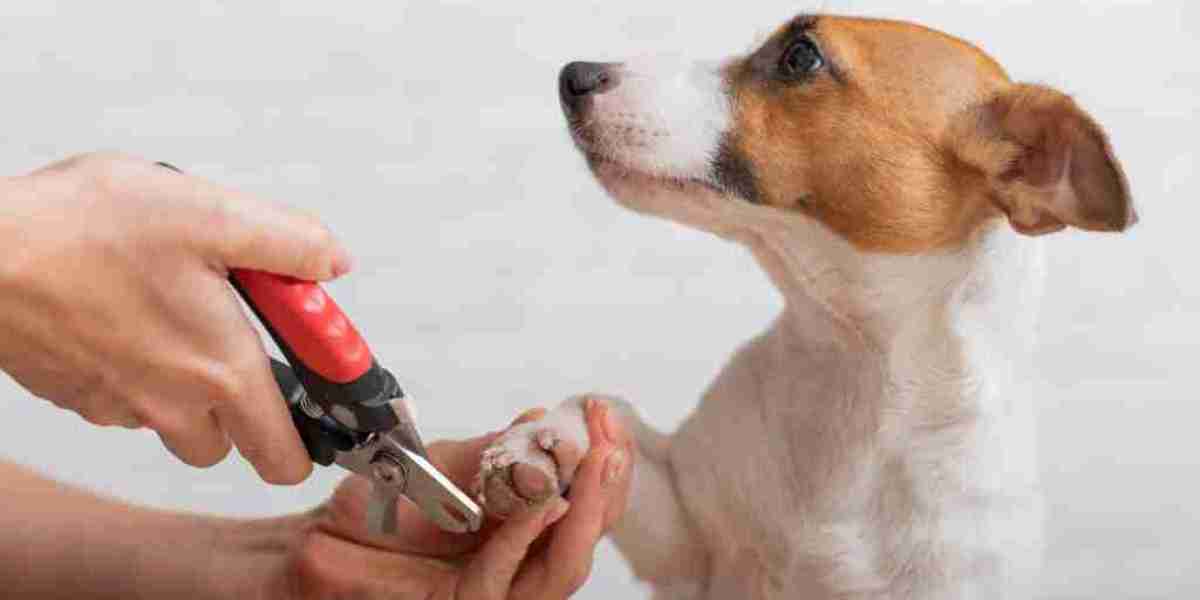
Regular grooming is an essential part of responsible dog ownership, and nail trimming is one of the most important aspects of your pet's care routine. While many pet owners focus on bathing and brushing, maintaining healthy nails is equally important for your dog's comfort, mobility, and overall well-being. Overgrown nails can cause pain, affect posture, and even lead to long-term joint problems.
Whether you're trimming your dog's nails at home or visiting a professional groomer, understanding the importance of routine nail care will help keep your furry companion happy, active, and healthy.
Why Dog Nail Trimming Is Important
A dog's nails continuously grow throughout its life. In some dogs, regular walking naturally wears down the nails, but many—especially indoor or less active dogs—need routine trimming to prevent overgrowth.
Regular nail trimming helps:
- Prevent painful overgrown nails
- Improve walking posture
- Reduce the risk of broken or split nails
- Protect floors and furniture from scratches
- Lower the risk of joint and paw problems
- Improve overall comfort and mobility
Keeping your dog's nails at the proper length allows them to walk, run, and play without discomfort.
How Often Should You Trim Your Dog's Nails?
The ideal trimming schedule depends on your dog's breed, activity level, and lifestyle.
General recommendations include:
- Indoor dogs: Every 3–4 weeks
- Active outdoor dogs: Every 4–6 weeks
- Senior dogs: Every 2–4 weeks
- Puppies: Every 2–3 weeks to build positive grooming habits
If you hear your dog's nails clicking on hard floors, it's usually time for a trim.
Signs Your Dog Needs a Nail Trim
Watch for these common signs:
- Nails touch the floor while standing.
- Clicking sounds when walking on tile or hardwood.
- Curved or excessively long nails.
- Difficulty walking or running comfortably.
- Frequent slipping on smooth surfaces.
- Broken or cracked nails.
- Excessive licking or chewing of the paws.
Addressing these signs early helps prevent pain and injuries.
Benefits of Regular Dog Nail Trimming
1. Improves Mobility
Overgrown nails force dogs to adjust their gait, placing extra stress on their paws, joints, and muscles.
Proper nail length allows natural movement and reduces strain during walking and running.
2. Prevents Pain and Injury
Long nails can:
- Split or crack
- Break during play
- Catch on carpets
- Curl into the paw pad
Routine trimming significantly reduces these risks.
3. Supports Joint Health
When nails become too long, dogs often shift their weight unnaturally to avoid pressure on their claws. Over time, this altered posture can contribute to joint discomfort and mobility issues.
4. Protects Your Home
Well-maintained nails are less likely to scratch:
- Hardwood floors
- Furniture
- Doors
- Carpets
Regular trimming also reduces accidental scratches during play.
5. Improves Paw Hygiene
Healthy nails make it easier to inspect paws for cuts, debris, infections, or other concerns that may require attention.
Essential Tools for Dog Nail Trimming
Using the right equipment makes trimming safer and easier.
Common tools include:
- Dog nail clippers (guillotine or scissor-style)
- Nail grinder
- Styptic powder (to stop bleeding if the quick is accidentally cut)
- Treats for positive reinforcement
- Good lighting
- A towel for gentle restraint if necessary
Choose tools designed specifically for your dog's size and nail thickness.
How to Trim Your Dog's Nails Safely
Step 1: Keep Your Dog Calm
Choose a quiet location where your dog feels relaxed. Offer praise and treats throughout the session.
Step 2: Examine the Nails
Identify the quick, the pink area inside light-colored nails that contains blood vessels and nerves.
For dogs with dark nails, trim only small amounts at a time.
Step 3: Trim Small Sections
Clip only the curved tip of each nail.
Avoid cutting too close to the quick, as this can cause pain and bleeding.
Step 4: Smooth Rough Edges
Use a nail grinder or file if needed to smooth sharp edges after trimming.
Step 5: Reward Your Dog
Positive reinforcement helps your dog associate nail trimming with a pleasant experience.
Common Mistakes to Avoid
Avoid these common errors:
- Cutting into the quick
- Using dull clippers
- Trimming too much at once
- Forcing a frightened dog
- Skipping regular nail care
- Ignoring cracked or damaged nails
Patience and consistency make the process safer and less stressful.
Professional Dog Nail Trimming
Many pet owners choose professional groomers for nail trimming, especially if their dogs become anxious or resistant.
Professional services offer:
- Safe handling techniques
- Accurate nail trimming
- Reduced risk of injury
- Fast and efficient appointments
- Early detection of paw or nail problems
Professional groomers are experienced in working with dogs of all breeds and temperaments.
Nail Grinding vs. Nail Clipping
Both methods have advantages.
Nail Clipping
Pros:
- Quick
- Affordable
- Easy for routine maintenance
Cons:
- Greater risk of cutting the quick
- May leave sharp edges
Nail Grinding
Pros:
- Creates smooth nail edges
- Gradually shortens nails
- Lower risk of cutting the quick
Cons:
- Takes longer
- Some dogs dislike the sound or vibration
Many groomers use a combination of both techniques for the best results.
Puppies and Nail Trimming
Starting nail care early helps puppies become comfortable with grooming.
Tips include:
- Handle paws daily.
- Keep sessions short.
- Reward calm behavior.
- Trim only a few nails at a time if needed.
- Introduce grooming gradually.
Positive early experiences often lead to easier grooming throughout adulthood.
At-Home Nail Care Tips
Between professional grooming appointments:
- Check your dog's nails every week.
- Walk on natural surfaces when appropriate to help wear down nails.
- Inspect paws for injuries or debris.
- Keep grooming tools clean and sharp.
- Reward your dog after each trimming session.
Routine maintenance reduces stress for both pets and owners.
When to Contact a Veterinarian
Seek veterinary care if you notice:
- Bleeding that doesn't stop
- Swollen or infected nail beds
- Broken nails exposing the quick
- Ingrown nails
- Persistent limping
- Signs of pain when walking
Prompt treatment helps prevent complications.
Conclusion
Dog nail trimming is an essential part of maintaining your pet's health, comfort, and mobility. Properly trimmed nails reduce the risk of injuries, improve posture, protect joints, and make everyday activities more comfortable for your dog. Whether you trim your dog's nails at home or rely on a professional groomer, regular maintenance plays a vital role in your pet's overall well-being.
By using the right tools, following safe trimming techniques, and establishing a consistent grooming routine, you can help ensure your dog enjoys healthy paws and an active, comfortable lifestyle for years to come.