In modern metalworking industries, selecting suitable casting equipment is essential for achieving consistent production results and managing different component requirements. A reliable Gravity Casting Machine provides manufacturers with a practical solution for shaping molten metal through controlled gravity-driven filling rather than relying primarily on external pressure. When evaluating a Gravity Casting Machine, foundries need to consider mold compatibility, pouring arrangements, temperature management, and operational flexibility. These factors influence casting quality, production efficiency, and the ability to manufacture components with different geometries. Understanding how gravity casting equipment works can help industrial buyers identify suitable machinery for their manufacturing operations.
Understanding the Working Principle of Gravity Casting
Gravity casting is a metal-forming process in which molten metal enters a mold cavity under the influence of gravity. Unlike pressure die casting, this method does not depend on high-pressure injection to fill the mold. Instead, the mold structure and pouring system are designed to guide molten metal into the required cavity.
The process generally begins with preparing and positioning the mold. The selected metal is heated until it reaches a suitable pouring condition. Operators then introduce the molten material through the pouring opening, allowing it to flow into the mold and occupy the designed cavity.
After filling, the metal cools and solidifies into the intended shape. Once the casting has reached an appropriate condition, the mold can be opened and the component removed for subsequent processing.
This production method is suitable for various metal components where controlled filling and reusable mold structures are important considerations.
Key Equipment Features for Different Casting Requirements
The configuration of gravity casting equipment can vary according to the type of component, mold dimensions, and production requirements. Buyers should evaluate the machinery based on their actual manufacturing applications rather than focusing on individual specifications alone.
Mold clamping and positioning arrangements are important because the mold needs to remain properly aligned during pouring and solidification. Stable positioning helps maintain cavity consistency and reduces the possibility of metal leakage.
The pouring arrangement also deserves attention. A suitable system should allow operators to control the movement of molten metal while supporting the requirements of the selected mold design.
Temperature management is another consideration. Metal temperature, mold temperature, and cooling conditions can influence filling behavior and solidification characteristics. Equipment configurations that support convenient process adjustment can help manufacturers manage different production tasks.
Depending on the intended application, buyers may also consider automation functions, operating controls, and accessibility for routine maintenance.
Gravity Casting Equipment Solutions at ChinaHZJX
Selecting appropriate machinery requires an understanding of both equipment capabilities and existing foundry operations. ChinaHZJX offers an industrial equipment resource for businesses exploring gravity casting machinery and related manufacturing solutions.
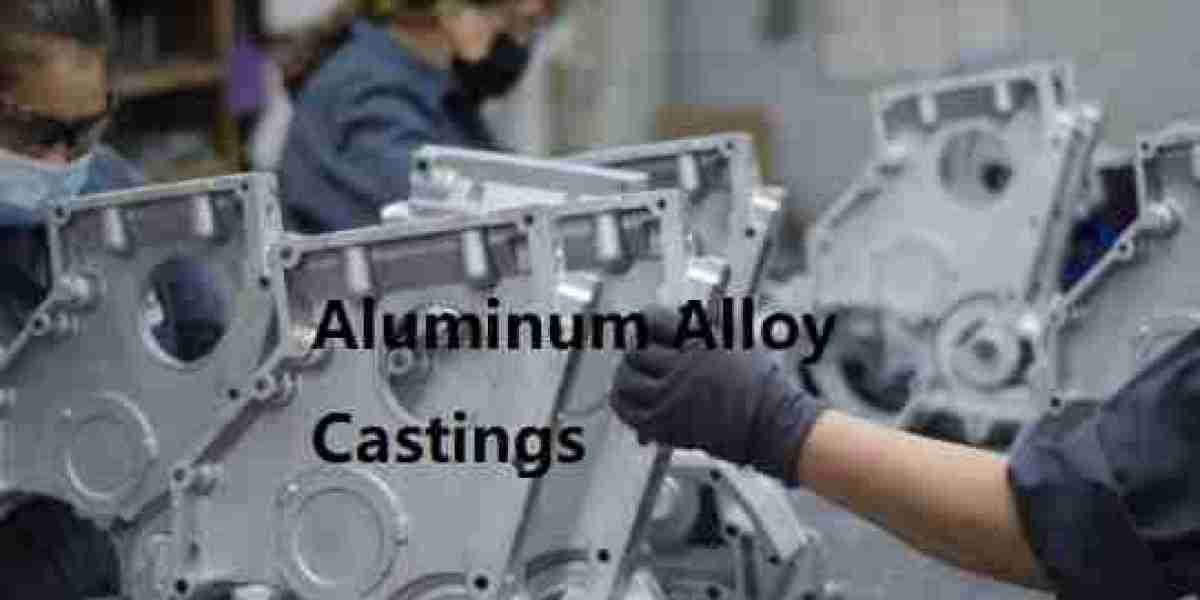
When evaluating equipment, manufacturers should first identify the materials and component types they intend to produce. Aluminum alloy components, for example, may have different process requirements from other metal products. Mold size, cavity arrangement, and production frequency should also be considered.
Another important aspect is equipment compatibility with the existing production environment. Buyers may need to review available floor space, power requirements, mold installation arrangements, and operator access.
Communication with equipment suppliers can help clarify configuration options and technical details. It is also useful to discuss installation guidance, operating instructions, spare parts, and maintenance support before confirming a purchasing decision.
A clear understanding of production requirements allows businesses to compare equipment solutions more effectively and select machinery that supports their long-term manufacturing plans.
Improving Casting Quality Through Process Management
Although gravity casting has a relatively straightforward working principle, consistent results depend on careful process management. Material preparation, mold condition, pouring temperature, and cooling arrangements all contribute to the quality of the finished component.
Before pouring, manufacturers should inspect the mold for surface damage, contamination, or other conditions that could affect the casting. Proper mold preparation helps maintain the intended cavity structure and supports smoother production.
Pouring speed is another important consideration. If molten metal enters the cavity too quickly or too slowly, filling conditions may become less predictable. The pouring process should therefore be coordinated with mold design and material characteristics.
Cooling and solidification also require attention. Different component geometries may create different cooling conditions, which can influence shrinkage and internal structure. Appropriate process adjustments can help manufacturers manage these challenges.
After removal, cast components may require trimming, machining, surface treatment, and inspection. Establishing clear quality standards for these operations helps maintain consistency between production batches.
Industrial Applications and Equipment Selection Considerations
Gravity casting is used in manufacturing applications that require shaped metal components with practical structural characteristics. Common application areas include automotive parts, pump housings, valve components, electrical equipment accessories, and general mechanical products.
Each application may involve different design and production requirements. Some components require relatively simple mold cavities, while others need more complicated structures and additional machining after casting.
For industrial buyers, selecting equipment should begin with the final product requirements. Component dimensions, material characteristics, mold complexity, and expected production arrangements can all influence the appropriate machinery configuration.
Manufacturers should also consider future product development. Equipment that accommodates suitable mold changes and different production tasks may provide greater flexibility as customer requirements evolve.
In addition, routine maintenance and operator training should be included in equipment planning. A well-managed production environment can support stable operation and help businesses make better use of their manufacturing resources.
Gravity casting equipment offers foundries an adaptable approach to producing various metal components through controlled mold filling and solidification. By considering equipment configuration, material compatibility, process management, and after-sales support, buyers can make more informed purchasing decisions. Businesses interested in gravity casting machinery and other industrial equipment can visit https://www.chinahzjx.com/ to explore available products and learn more about manufacturing solutions.