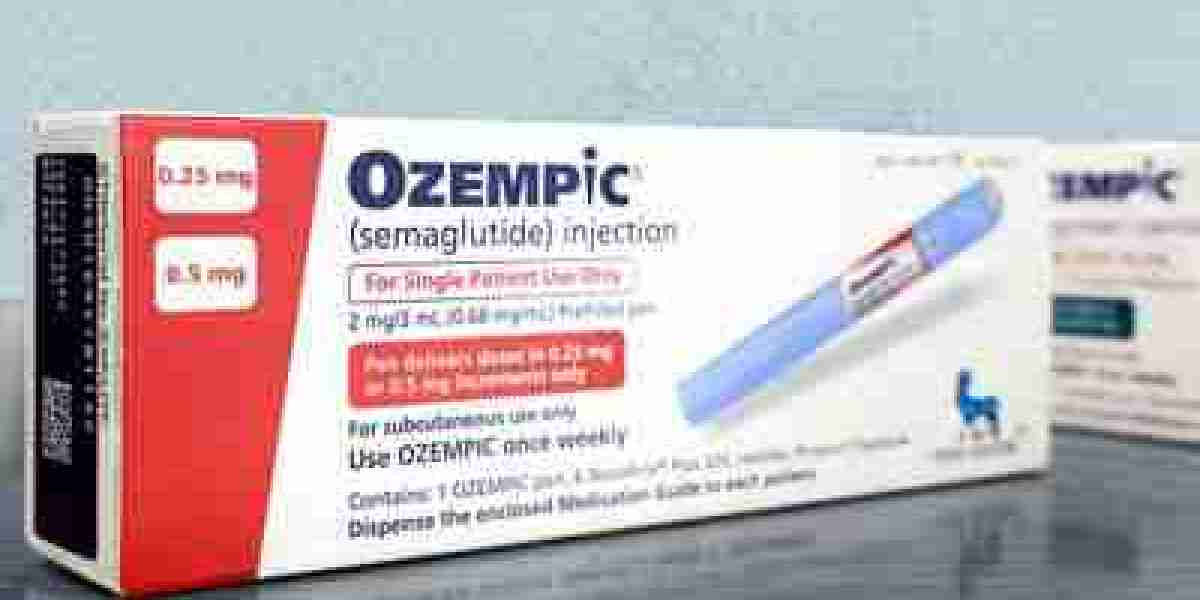
The assessment is the part of treatment that patients least anticipate and most depend on. It determines whether semaglutide is appropriate, which dose to start, and what monitoring will be needed. This article walks through the medical assessment steps involved in Ozempic injection in Dubai, explaining what each stage looks for and why skipping any of them weakens the safety of the whole plan.
Why Assessment Comes Before Prescribing
Semaglutide alters appetite, digestion, and glucose handling. It interacts with other medications and is unsuitable for certain patients. A prescription issued without assessment is therefore a guess dressed as a decision.
The purpose of the assessment is not to create delay. It is to establish a baseline against which your progress and any side effects can later be measured.
Step One: Detailed Medical History
The first stage is a structured conversation about your health. Expect questions about diagnosed conditions, previous surgeries, hospitalisations, and family history—particularly of thyroid, pancreatic, and gallbladder disease.
The clinician will ask about previous weight management attempts: what you tried, for how long, and what happened. This is not an audit of effort. It reveals patterns that inform the plan.
Mental health is also relevant. A history of eating disorders requires careful consideration before appetite-suppressing medication is introduced.
Step Two: Medication and Supplement Review
Every medication you take should be disclosed, including those obtained without prescription. Semaglutide interacts meaningfully with insulin and sulfonylureas, where hypoglycaemia risk rises and dose adjustment may be needed.
Other considerations include medications that affect gastric emptying or kidney function. Supplements and herbal products are not exempt; some have relevant effects.
Patients who withhold information to appear more suitable for treatment undermine the assessment and increase their own risk.
Ozempic injection in Dubai: Step Three—Physical Measurements
Objective measurements form part of the baseline. These typically include weight, height, body mass index, and waist circumference. Body composition analysis is used in some clinics.
Blood pressure and heart rate are usually recorded. These measurements matter not only for prescribing decisions but for tracking change over time.
Step Four: Laboratory Investigations
Where clinically indicated, blood tests are arranged. Common investigations include:
HbA1c and fasting glucose
Renal function
Liver function
Lipid profile
Full blood count where relevant
For patients with diabetes, additional monitoring may be appropriate. For patients with symptoms suggesting gallbladder disease, imaging may be considered before starting.
Not every patient requires the same panel. The clinician selects tests based on history and examination findings.
Ozempic injection in Dubai: Step Five—Risk Stratification
With history, measurements, and results in hand, the clinician evaluates risk. Contraindications are identified and absolute ones exclude treatment. Relative concerns are weighed against potential benefit.
This step is where individualisation happens. Two patients with similar weights can receive different recommendations because their histories differ.
Step Six: Discussion of Expectations and Consent
Assessment concludes with a conversation about what treatment involves. This includes expected timeline, common side effects, serious risks, monitoring requirements, cost, and the possibility that the medication may not suit you.
Informed consent is not a signature on a form. It is an understanding of what you are agreeing to, including the commitment to follow-up.
Step Seven: Documentation and the Treatment Plan
The assessment should be documented, and a plan agreed. This includes starting dose, titration schedule, review intervals, and instructions on when to seek urgent help.
Patients should leave knowing what happens next and whom to contact.
What an Inadequate Assessment Looks Like
Certain shortcuts are warning signs. A brief questionnaire completed alone, no discussion of medical history, no blood tests where indicated, and immediate dispensing all suggest assessment is being treated as a formality.
Equally, an assessment that never mentions risks is not an assessment.
Why This Matters for Outcomes
At Tajmeels Clinic in Dubai, assessment is structured rather than abbreviated, and the prescription decision follows the findings. Patients who complete a thorough assessment tend to have more realistic expectations and fewer avoidable problems during treatment.
Preparing for Your Assessment
Bring a medication list, any recent test results, and details of previous treatments. Write down your questions beforehand. Be honest about habits and history.
Concluding Summary
The medical assessment for Ozempic injection in Dubai follows a logical sequence: history, medication review, measurements, investigations, risk stratification, informed discussion, and documentation. Each step exists to protect patients and to make treatment decisions defensible. If you are considering treatment, expect this process and welcome it. A clinic that takes assessment seriously is a clinic worth choosing.
Ready to Begin Your Transformation?
Get in touch with us today to explore exclusive offers and find the right treatment for you!
WhatsApp: +971 56 203 8751
Phone: +971 4 373 9000
Social Media: