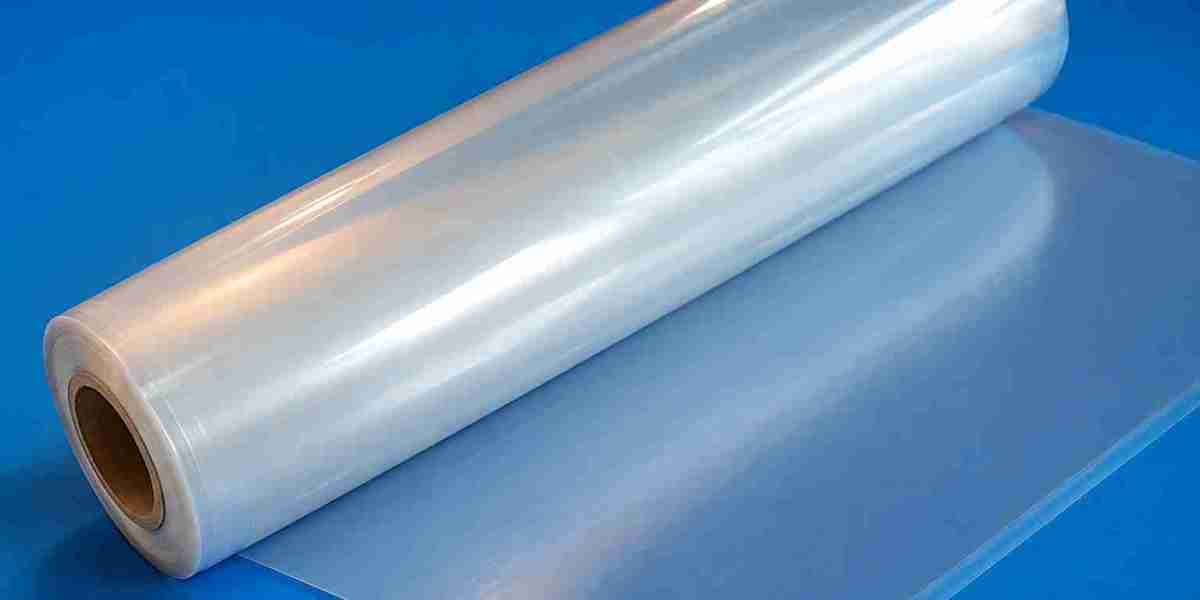
Nafion 117 is one of the most widely used proton exchange membranes (PEMs) in scientific research and industrial applications. Manufactured from a perfluorosulfonic acid (PFSA) polymer, Nafion 117 is recognized for its excellent proton conductivity, outstanding chemical stability, and exceptional mechanical strength. It plays a critical role in fuel cells, water electrolysis systems, hydrogen production, electrochemical sensors, and laboratory research. Because of its high durability and reliable performance under challenging operating conditions, Nafion 117 has become the preferred membrane for researchers, engineers, and manufacturers worldwide. Its ability to transport protons efficiently while preventing the mixing of gases makes it an essential component in many clean energy and industrial technologies.
What Is Nafion 117?
Nafion 117 is a proton exchange membrane made from a fluoropolymer with sulfonic acid functional groups that enable efficient proton transport. It is specifically designed for electrochemical systems where ion conductivity and chemical resistance are essential. The membrane acts as a separator between electrodes while allowing hydrogen ions to pass through with minimal resistance. Nafion 117 is commonly selected because it maintains excellent conductivity even under demanding temperatures and chemical environments. Its thickness of approximately 183 micrometers provides an ideal balance between durability and electrical performance, making it suitable for both laboratory experiments and commercial applications.
Chemical Composition of Nafion 117
The chemical structure of Nafion 117 consists of a polytetrafluoroethylene (PTFE) backbone combined with perfluorinated vinyl ether side chains ending in sulfonic acid groups. This unique molecular arrangement provides outstanding chemical stability while creating pathways for proton transport. The PTFE backbone offers exceptional resistance to heat, oxidation, and aggressive chemicals, while the sulfonic acid groups absorb water and facilitate proton conduction. This combination of properties allows Nafion 117 to perform efficiently in acidic environments where many other polymer membranes would degrade over time.
Key Physical Properties of Nafion 117
Nafion 117 possesses several physical characteristics that make it highly valuable in electrochemical applications. It has excellent mechanical strength, flexibility, thermal stability, and dimensional stability even after prolonged exposure to harsh operating conditions. The membrane exhibits low gas permeability, reducing unwanted crossover between hydrogen and oxygen gases in fuel cells. Additionally, Nafion 117 retains water effectively, which is essential for maintaining high proton conductivity. These physical properties contribute to its long service life and consistent performance across various industrial processes.
Proton Conductivity Performance
One of the most important characteristics of Nafion 117 is its exceptional proton conductivity. The hydrated sulfonic acid groups create interconnected channels that allow hydrogen ions to move rapidly through the membrane. High proton conductivity improves energy conversion efficiency in proton exchange membrane fuel cells and electrolyzers. The membrane performs particularly well under humidified conditions, where water molecules facilitate proton transport. Efficient conductivity reduces internal resistance, resulting in improved electrical output and better system efficiency.
Why Nafion 117 Is Popular in Fuel Cells
Fuel cell technology relies heavily on high-quality proton exchange membranes, and Nafion 117 has become an industry standard. In hydrogen fuel cells, the membrane separates hydrogen from oxygen while allowing only protons to pass between electrodes. This controlled ion movement generates electricity efficiently while producing only water as a by-product. Nafion 117's durability, chemical resistance, and consistent conductivity enable fuel cells to operate reliably over extended periods. As clean energy technologies continue to expand, the importance of Nafion 117 in fuel cell systems continues to grow.
Applications of Nafion 117 in Water Electrolysis
Water electrolysis is another major application where Nafion 117 demonstrates exceptional performance. During electrolysis, electrical energy splits water into hydrogen and oxygen gases. The membrane prevents gas mixing while allowing proton transfer between electrodes. This separation increases hydrogen purity and improves production efficiency. Industries focused on green hydrogen production frequently utilize Nafion 117 because of its excellent electrochemical properties and long operational lifespan. The membrane supports the global transition toward renewable energy and sustainable hydrogen production.
Nafion 117 in Electrochemical Research
Research laboratories around the world use Nafion 117 extensively in electrochemical experiments. Scientists depend on its stable performance for studying catalysts, membrane behavior, battery technologies, and electrochemical reactions. Because the membrane offers reproducible results, researchers can accurately compare experimental data across different studies. Its compatibility with numerous chemical systems makes Nafion 117 one of the most trusted membranes for academic and industrial research projects involving proton exchange technologies.
Industrial Applications of Nafion 117
Beyond research laboratories, Nafion 117 serves numerous industrial sectors. It is widely used in chlor-alkali production, electrochemical reactors, chemical processing, hydrogen generation systems, sensors, and advanced energy storage technologies. Industries requiring reliable ion exchange membranes choose Nafion 117 because it maintains performance even in chemically aggressive environments. Its durability reduces maintenance costs while improving overall system reliability, making it a valuable material in large-scale manufacturing operations.
Advantages of Using Nafion 117
Nafion 117 offers several significant advantages compared to many alternative membrane materials. It provides high proton conductivity, exceptional chemical resistance, low electrical resistance, strong mechanical durability, excellent thermal stability, and long operational life. The membrane also demonstrates outstanding resistance to oxidation and acidic conditions, making it suitable for demanding industrial applications. These benefits explain why Nafion 117 remains the benchmark membrane for many electrochemical systems despite the development of newer membrane technologies.
Limitations of Nafion 117
Although Nafion 117 provides excellent performance, it also has certain limitations. The membrane is relatively expensive compared to alternative proton exchange materials, increasing the overall cost of fuel cell and electrolysis systems. Its conductivity depends heavily on proper hydration, meaning dry operating conditions can reduce efficiency. Additionally, prolonged exposure to extremely high temperatures beyond recommended operating limits may gradually affect membrane performance. Understanding these limitations helps engineers optimize system design and maximize membrane lifespan.
Nafion 117 Compared with Other Proton Exchange Membranes
When compared with other proton exchange membranes, Nafion 117 consistently performs well in terms of conductivity, chemical resistance, and reliability. Alternative membranes may offer lower costs or specialized properties, but many struggle to match Nafion 117's overall balance of performance and durability. Researchers often use Nafion 117 as a benchmark when evaluating newly developed membrane materials because its properties are well understood and extensively documented in scientific literature.
Proper Handling and Storage of Nafion 117
Correct handling and storage are important to preserve the performance of Nafion 117. The membrane should be stored in clean, dry packaging away from contaminants and direct sunlight. During installation, users should avoid folding or scratching the membrane surface because physical damage can reduce efficiency. Many laboratories clean and condition Nafion 117 before use by following recommended preparation procedures that improve proton conductivity and remove impurities. Proper maintenance extends membrane life and ensures consistent performance.
Future Developments in Nafion Membrane Technology
The future of Nafion membrane technology is closely linked to the advancement of renewable energy systems. Researchers continue developing improved PFSA membranes with enhanced conductivity, lower production costs, and greater durability under extreme conditions. While newer materials are emerging, Nafion 117 continues to serve as the reference standard for evaluating innovative membrane technologies. Ongoing research aims to improve fuel cell efficiency, hydrogen production, and energy storage systems while maintaining the reliability that Nafion membranes are known for.
Choosing the Right Nafion 117 for Your Application
Selecting the correct Nafion 117 membrane depends on the intended application, operating conditions, temperature range, humidity level, and system design. Engineers must evaluate factors such as membrane thickness, durability requirements, chemical compatibility, and expected service life before making a selection. For laboratory experiments, pilot-scale testing, or commercial fuel cell systems, Nafion 117 offers a proven combination of efficiency and reliability. Consulting experienced suppliers and technical specifications ensures the membrane meets the specific performance requirements of each project.
Conclusion
Nafion 117 remains one of the most trusted proton exchange membranes available for fuel cells, water electrolysis, hydrogen production, electrochemical research, and industrial processing. Its outstanding proton conductivity, excellent chemical resistance, mechanical durability, and long operational life make it an essential material for advanced energy technologies. Although newer membrane materials continue to emerge, Nafion 117 remains the industry benchmark because of its proven reliability and exceptional performance. As the demand for clean energy, sustainable hydrogen production, and advanced electrochemical systems continues to grow, Nafion 117 will remain a critical component supporting innovation and technological progress across multiple industries.