
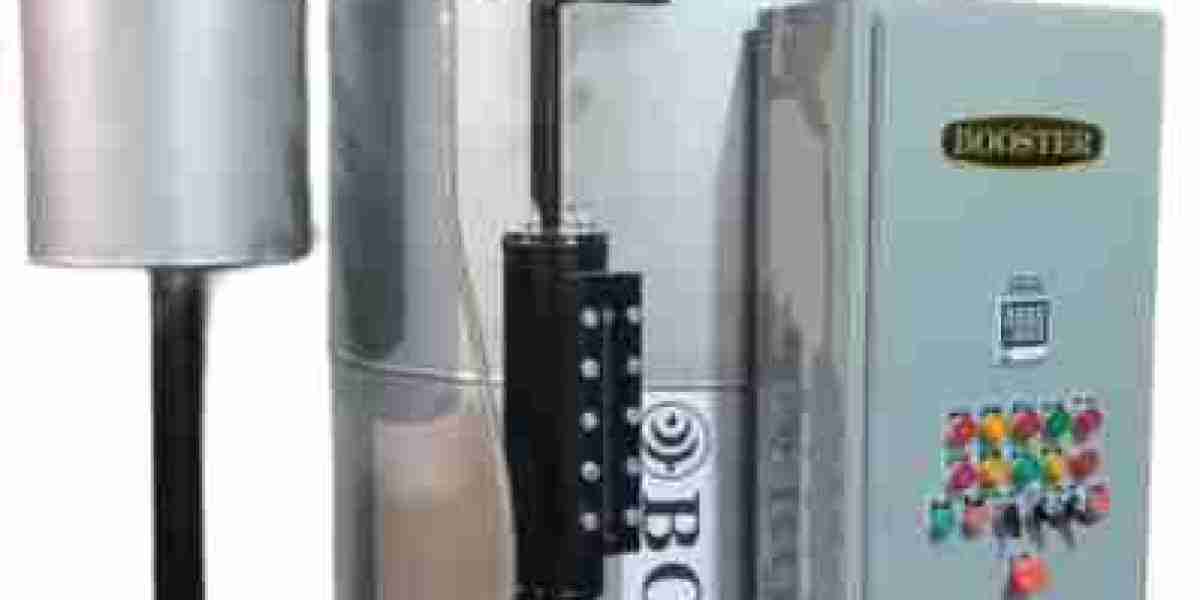
Understanding the Importance of Industrial Steam Generators
Industrial steam generators play an essential role in modern manufacturing, processing, and production facilities. These specialized machines produce steam by heating water through controlled energy systems, providing a dependable source of thermal power for various industrial applications. From food processing and pharmaceutical manufacturing to chemical production and textile operations, steam remains an important resource for maintaining efficient workflows. As industries continue to focus on productivity, energy conservation, and operational reliability, advanced industrial steam generators have become increasingly valuable.
How Industrial Steam Generators Work
An industrial steam generator operates by transferring heat into water until it reaches the required temperature and pressure to produce steam. Depending on the design, the heating process may use natural gas, electricity, oil, biomass, or other suitable energy sources. The generated steam is then distributed through an industrial piping network to equipment that requires thermal energy.
Modern systems are designed with automated controls that monitor pressure, temperature, water levels, and operating conditions. These features help maintain consistent steam production while supporting safe and stable performance. Advanced sensors and control panels also allow operators to identify unusual operating conditions and make adjustments when necessary.
Major Applications Across Industrial Sectors
Industrial steam generators support a wide range of commercial and manufacturing activities. In the food and beverage industry, steam is commonly used for cooking, sterilization, cleaning, and temperature control. Pharmaceutical facilities depend on carefully controlled steam systems for equipment sterilization and certain production processes.
Textile manufacturers use steam for fabric treatment, dyeing, drying, and finishing operations. Chemical processing facilities require thermal energy for heating materials and supporting controlled reactions. Steam is also widely used in hospitals, laboratories, laundries, and large commercial buildings where dependable heating and sanitation are important.
Benefits of Modern Industrial Steam Generators
One of the most significant advantages of an industrial steam generator is its ability to provide consistent thermal energy. Reliable steam production helps manufacturers maintain production schedules and achieve predictable processing conditions. Properly selected equipment can also improve energy utilization and reduce unnecessary operating expenses.
Compact designs offer another advantage, particularly for facilities with limited installation space. Some modern generators can reach operating conditions quickly, helping reduce waiting periods during production startup. Automated monitoring systems further improve operational convenience by providing useful information about equipment performance and maintenance requirements.
Energy Efficiency and Environmental Considerations
Energy efficiency has become an important consideration when selecting industrial steam generation equipment. Inefficient systems can waste fuel, increase operating costs, and contribute to unnecessary emissions. Manufacturers are therefore exploring improved combustion technology, better insulation, heat recovery systems, and advanced control mechanisms.
Regularly inspecting steam distribution lines, repairing leaks, and Industrial Steam Generators maintaining appropriate operating pressure can also reduce energy losses. Condensate recovery systems provide another opportunity to improve efficiency by returning hot water to the production process instead of allowing valuable heat to go unused.
Facilities can evaluate different energy sources according to fuel availability, electricity costs, production requirements, and environmental objectives. Choosing an appropriate technology helps balance performance with long-term operational sustainability.
Choosing the Right Industrial Steam Generator
Selecting suitable equipment requires careful consideration of several technical factors. Businesses should first determine their required steam capacity, operating pressure, temperature range, and expected daily operating hours. The nature of the production process also influences the type of generator needed.
Available installation space, energy infrastructure, water quality, and local safety regulations should be evaluated before purchasing equipment. Companies should also consider maintenance accessibility, replacement part availability, manufacturer support, and equipment warranty conditions.
Working with experienced industrial equipment specialists can help businesses identify a system that matches their operational requirements. A properly sized generator can support consistent production without unnecessary energy consumption or excessive equipment costs.
Maintenance for Long-Term Performance
Routine maintenance is essential for keeping industrial steam generators operating safely and efficiently. Regular inspections should cover burners, heating elements, pressure controls, safety valves, water treatment equipment, and electrical connections. Operators should also monitor water quality because mineral deposits and scale buildup can reduce heat transfer efficiency.
Cleaning and descaling procedures should follow the equipment manufacturer's recommendations. Safety devices must be tested by qualified personnel, and any damaged components should be repaired or replaced promptly. Proper maintenance records help facilities track equipment conditions and identify recurring problems before they develop into major failures.
Employee training is equally important. Operators should understand normal operating procedures, emergency shutdown requirements, and the warning signs of abnormal equipment performance.
The Future of Industrial Steam Generation Technology
Industrial steam generation technology continues to evolve as manufacturers seek smarter, cleaner, and more efficient production solutions. Digital monitoring, automated diagnostics, improved heat exchangers, and advanced energy management systems are helping businesses gain better control over their thermal operations.
Future developments may also involve greater integration with renewable electricity, waste heat recovery, and hybrid energy systems. These improvements can help industrial facilities reduce energy waste while maintaining dependable steam supplies.
Conclusion
Industrial steam generators remain an important part of modern industrial infrastructure, supporting manufacturing, sanitation, heating, and specialized processing applications. Their value extends beyond steam production because reliable equipment contributes to productivity, energy management, and operational stability. By selecting suitable technology, following proper maintenance practices, and investing in efficiency improvements, businesses can achieve dependable performance and long-term value from their industrial steam generation systems.
smithbhatti1
138 blog messaggi