Industrial Water Pump election is often treated as a straightforward purchasing task, but the decisions behind a suitable fluid handling system can influence an entire facility. From material compatibility and mechanical construction to installation planning and daily maintenance, every detail deserves attention. Buyers who look beyond the exterior appearance can gain a clearer understanding of how different designs serve different working environments. Whether planning a new production facility, upgrading an existing system, or sourcing equipment for a construction project, understanding these details helps turn a complicated purchasing decision into a more organized process.
One aspect that deserves attention is the relationship between construction materials and operating conditions. Different liquids and environments place different demands on mechanical components. Cast iron is commonly used in equipment housings because of its established mechanical properties and suitability for various applications. Stainless steel is often considered when corrosion resistance and surface characteristics are important. Aluminum can also be found in certain designs where weight and structural requirements influence material selection.
However, choosing a material should involve more than comparing product appearances. Buyers need to consider the liquid being transferred, possible chemical exposure, surrounding conditions, and the expected maintenance routine. A component suitable for clean liquid applications may not be appropriate for environments containing abrasive particles or corrosive substances. Discussing these conditions with a manufacturer before ordering can help reduce compatibility concerns.
Another question frequently raised during procurement is how to select equipment for different operating environments. Manufacturing facilities, agricultural projects, construction sites, and municipal systems do not share identical requirements. A production facility may need a stable supply arrangement for its processing activities, while a construction project may require drainage equipment to manage accumulated liquid. Agricultural applications may involve irrigation and distribution across different areas.
This is why understanding the actual application should come before comparing product names. Buyers should review the source of the liquid, installation position, pipeline arrangement, electrical supply, and expected operating schedule. These considerations provide a practical foundation for selecting an appropriate configuration.
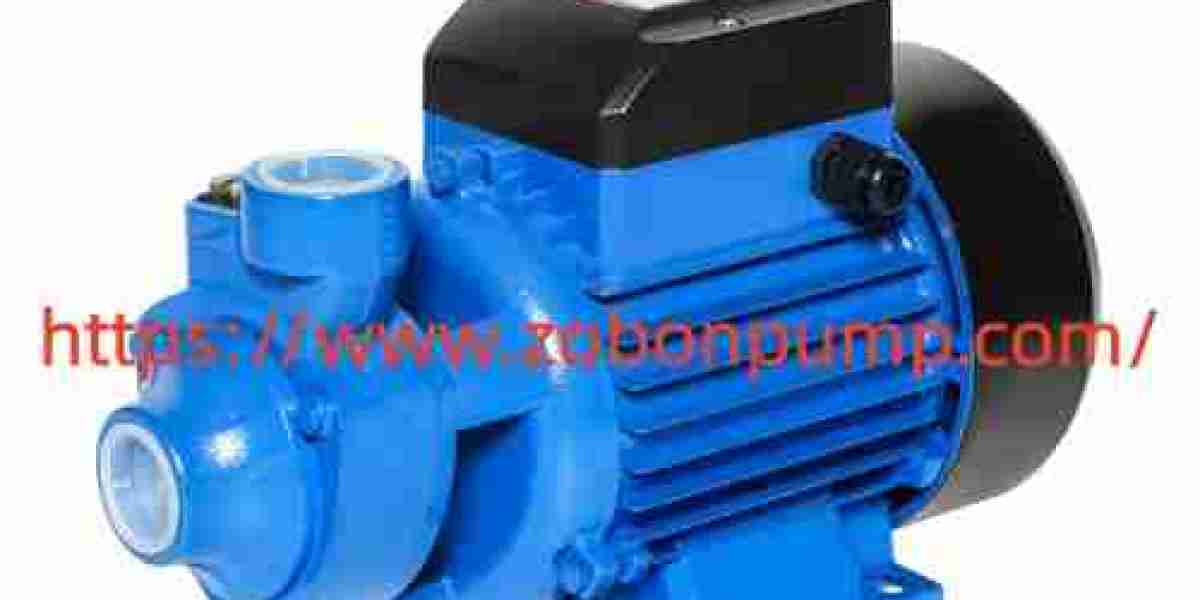
Mechanical construction also deserves closer attention. Inside a typical centrifugal design, the impeller helps create fluid movement through rotational force. Its geometry and relationship with the surrounding casing influence the overall operating process. Shaft assemblies, bearings, seals, and motor components also contribute to the mechanical arrangement. Each part has a particular role, and their coordination affects how the complete unit functions.
Sealing deserves particular consideration because leakage can create maintenance concerns and affect the surrounding installation. Buyers should ask about seal construction, replacement procedures, and compatibility with the intended liquid. The same attention should be given to bearing arrangements and motor protection. Understanding how these components work together makes product comparisons more meaningful than simply looking at exterior design.
Modern purchasing decisions also involve convenience. Equipment that is difficult to install, inspect, or maintain can create additional work for facility personnel. Accessible maintenance points, understandable operating instructions, and suitable connection arrangements can make everyday management more straightforward. Buyers should consider whether technicians can inspect important components without unnecessarily disturbing surrounding equipment.
Control arrangements are another part of this discussion. Automatic starting and stopping, float switches, and protective devices may support different operating requirements. Their suitability depends on the installation environment and the wider system. For example, drainage applications may benefit from automatic level control, while other facilities may require manual operation or integration with existing control equipment. The purpose is to choose functions that address real operating needs rather than adding features without a clear reason.
Manufacturing processes also influence purchasing confidence. Product development involves design planning, component processing, assembly, inspection, and packaging. Computer aided design can assist with product development, while CNC equipment supports controlled manufacturing operations. Inspection at different production stages helps manufacturers review component condition and assembly consistency.
Caifu provides several product categories, including submersible, centrifugal, self priming, sewage, jet, and multistage designs. Its website also describes customization based on customer drawings or samples, giving buyers an opportunity to discuss application requirements before production. This range allows different purchasing projects to begin with a more focused discussion about intended use, installation conditions, and product configuration.
Maintenance planning should remain part of the purchasing process rather than becoming an afterthought. Routine inspections can help identify unusual noise, vibration, leakage, loose connections, and visible component wear. Keeping the installation area clean and providing suitable access for servicing can also simplify daily management. Maintenance procedures should follow the manufacturer's instructions because different mechanical arrangements may require different inspection methods.
For distributors, contractors, and procurement teams, communication with the manufacturer is equally valuable. Clear discussions about application requirements, available configurations, documentation, replacement components, and delivery arrangements help establish realistic expectations. Product photographs and descriptions are useful starting points, but technical discussions provide additional context when selecting equipment for a particular project.
A well planned purchasing decision brings together material compatibility, mechanical design, installation convenience, and long term maintenance considerations. These factors help businesses identify equipment that corresponds with their actual operating conditions instead of relying on appearance or initial cost alone. With its range of fluid handling products and customization services, Caifu offers options for buyers serving manufacturing, construction, agricultural, and municipal applications. Businesses preparing a new project or reviewing existing equipment can visit https://www.zobonpump.com/ to view available product categories, review company information, and discuss suitable configurations with the manufacturer.