A vehicle's entertainment system should deliver more than background music. It should provide consistent sound, convenient controls, and dependable access to the entertainment features drivers use every day. Whether traveling through city traffic or spending several hours on the highway, a well-planned car audio setup can make every journey more enjoyable. From clear vocals and balanced music playback to deeper bass and modern connectivity, the right equipment helps create a more engaging cabin environment.
Automotive audio technology has expanded to include a wide range of receivers, speakers, amplifiers, subwoofers, and installation accessories. These components serve different purposes, but their performance depends on how well they work together. Understanding their individual roles makes it easier to select suitable equipment, avoid compatibility problems, and build a system that delivers reliable results over time.
Bringing Modern Entertainment Into Your Vehicle
Today's drivers expect their in-car entertainment to offer flexibility and convenience. Traditional radio playback remains useful, but many people also want Bluetooth streaming, smartphone connections, USB media access, and improved audio controls.
A modern automotive sound solution combines these everyday features with equipment designed to deliver consistent performance. Rather than focusing on a single component, it considers how the receiver, speakers, amplification, and accessories contribute to the complete listening experience.
A well-planned setup can provide several benefits:
Convenient access to different entertainment sources.
Improved vocal clarity and more balanced music reproduction.
Stronger bass response through suitable subwoofer equipment.
Better control over volume, equalization, and sound distribution.
Flexible connections for additional audio upgrades.
A more organized and user-friendly dashboard experience.
The right combination depends on the vehicle, available installation space, listening preferences, and the level of performance the driver expects.
Selecting Speakers for Detailed Sound Reproduction
Speakers have a direct influence on how music sounds inside the cabin. They reproduce the frequencies that carry vocals, instruments, and much of the detail listeners recognize in their favorite recordings.
However, not every speaker design serves the same purpose. Understanding the differences helps drivers choose equipment that suits their existing system.
Coaxial Speakers for Practical Upgrades
Coaxial speakers combine multiple drivers into one assembly. This design makes them a convenient option for replacing many factory-installed door and rear speakers.
They can provide a straightforward upgrade without requiring separate mounting locations for individual drivers. Before purchasing, compare speaker dimensions, mounting depth, impedance, sensitivity, and RMS power handling.
Component Speakers for Greater Flexibility
Component systems separate the woofer, tweeter, and sometimes additional drivers. This arrangement allows installers to position the individual components more strategically.
A properly installed component system can improve sound staging and help vocals and instruments appear more clearly positioned within the cabin. Installation quality and crossover configuration are important to achieving these benefits.
Midrange Drivers and Tweeters
Midrange drivers reproduce important vocal and instrumental frequencies, while tweeters handle higher-frequency details such as cymbals and subtle musical textures.
Combining suitable drivers helps cover a broader frequency range. However, their power handling and frequency capabilities must match the rest of the system to avoid gaps, excessive overlap, or distortion.
Adding Depth With a Properly Matched Subwoofer
Music often loses some of its impact when a vehicle's standard speakers cannot reproduce deeper frequencies effectively. A dedicated subwoofer helps address this limitation by handling low-frequency content.
The enclosure has a significant influence on the final result. Sealed enclosures are commonly selected for controlled bass response, while ported designs can deliver greater output around their tuning frequency when properly engineered.
When selecting a subwoofer, consider:
RMS power handling: The continuous power level the subwoofer is designed to handle.
Impedance: The electrical load that determines amplifier compatibility.
Voice coil configuration: A factor in determining possible wiring arrangements.
Enclosure requirements: The recommended internal volume and design.
Available vehicle space: The dimensions and placement options inside the cabin or cargo area.
A larger subwoofer does not automatically produce better bass. The enclosure, amplifier, electrical supply, and installation all influence performance.
Amplification for Consistent and Controlled Output
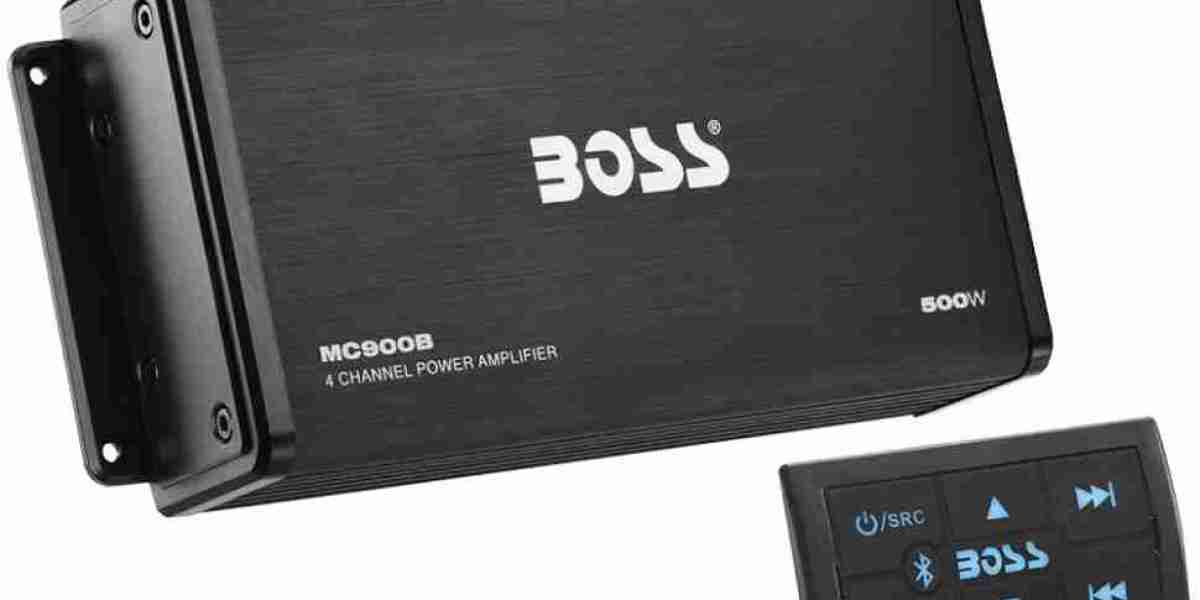
An amplifier provides the additional power needed to drive speakers and subwoofers beyond the limitations of many factory receivers. It can help an upgraded system maintain stronger output when the equipment is correctly matched.
Amplifiers are available in different channel configurations. Two-channel and four-channel models commonly support speaker systems, while monoblock amplifiers are frequently used for subwoofers. Multi-channel designs can also support more complex installations.
When comparing amplifiers, focus on RMS ratings at the intended impedance rather than relying only on maximum power figures. Also check the number of channels, cooling requirements, fuse recommendations, and physical dimensions.
Proper gain adjustment is equally important. Gain controls match the amplifier's input sensitivity to the signal it receives; they are not simply additional volume controls. Setting gains too high can introduce clipping, which may damage connected speakers or subwoofers.
Modern Connectivity for Everyday Convenience
Connectivity has become an important part of automotive entertainment. Drivers want to access their preferred media without dealing with complicated controls or unnecessary cables.
Bluetooth is useful for wireless audio streaming and supported hands-free calling. USB connections provide another option for compatible devices and media storage. Some receivers also support smartphone integration platforms that provide access to selected navigation, communication, and entertainment applications.
Before choosing a receiver, verify which features are actually supported. A touchscreen does not automatically include Apple CarPlay, Android Auto, or every smartphone function.
Display quality deserves attention too. Screen brightness, touch responsiveness, menu organization, and viewing angles all influence everyday usability. Physical volume controls can also be helpful when drivers need quick adjustments.
Building a Dependable Electrical Foundation
Power management becomes increasingly important as an audio system grows. Amplifiers can draw substantial current during demanding music passages, placing additional requirements on the vehicle's electrical system.
A weak electrical foundation may contribute to voltage drops, unstable operation, and reduced amplifier performance. Before installing high-powered equipment, evaluate the condition of the battery, alternator capacity, wiring, and grounding points.
Good installation practices include:
Choosing power cables suitable for the amplifier's current requirements.
Installing the correct fuse close to the battery connection.
Securing ground connections to clean, suitable metal surfaces.
Protecting cables from sharp edges, heat, and moving components.
Checking connections for corrosion, looseness, or excessive resistance.
Evaluating additional electrical upgrades when system demand exceeds available capacity.
These details are essential for maintaining reliable operation and protecting expensive audio components.
Sound Tuning Makes the Difference
Installing quality equipment is only part of building a successful system. Proper tuning helps individual components work together and improves the listening experience inside the vehicle.
Start by setting amplifier gains correctly and configuring crossovers according to the connected speakers. High-pass filters can prevent smaller drivers from receiving frequencies they cannot reproduce efficiently. Low-pass filters direct appropriate bass frequencies to the subwoofer.
Equalization can then help correct tonal imbalances. Make gradual adjustments and listen to familiar recordings at moderate volume levels. Excessive bass or treble boosts can introduce distortion and reduce available headroom.
Speaker placement also affects the final sound. Vehicle cabins contain reflective surfaces, different seating positions, and varying speaker distances. Time alignment, when available, can help compensate for these differences by adjusting signal timing.
A properly tuned system should sound balanced across different music styles rather than performing well with only one type of recording.
Installation Quality and Equipment Compatibility
Even well-designed equipment can underperform when installation receives insufficient attention. Incorrect wiring, poor mounting, and restricted ventilation can lead to unwanted noise, rattling, or reliability issues.
Before purchasing components, verify that they fit the vehicle and work with the existing electrical and entertainment systems. Some installations require mounting adapters, wiring harnesses, antenna adapters, or factory amplifier interfaces.
Secure speakers firmly to suitable mounting surfaces and use appropriate sealing materials where needed. Amplifiers should have adequate ventilation, while wiring should remain protected from moisture and physical damage.
After installation, test each component separately. Check speaker polarity, Bluetooth connections, receiver controls, amplifier operation, and subwoofer output. Listen for rattles and distortion at different volume levels before considering the installation complete.
Creating an Upgrade Plan That Fits Your Needs
Not every driver needs a complete system replacement. A more effective approach is to identify the biggest limitation in the existing setup and address it first.
Someone who wants clearer vocals may benefit most from better front speakers. A driver who enjoys stronger bass may prioritize a subwoofer and suitable amplifier. Those seeking greater convenience might begin with a receiver that offers modern connectivity and useful dashboard controls.
Elite Auto Gear offers a selection of automotive audio products and accessories for different upgrade goals. Comparing specifications, checking compatibility, and planning the installation can help drivers choose equipment that works as a complete system rather than a collection of unrelated components.
Enjoy Better Entertainment on Every Journey
Reliable automotive entertainment comes from combining suitable equipment with thoughtful installation and careful tuning. Speakers establish clarity, subwoofers provide low-frequency depth, amplifiers supply power, and modern receivers bring connectivity and control together.
A balanced upgrade does not have to happen all at once. By identifying your priorities and selecting compatible components, you can improve your vehicle's entertainment system gradually while maintaining a clear direction for future enhancements. The result is a more enjoyable cabin experience built around sound quality, convenience, and dependable performance.