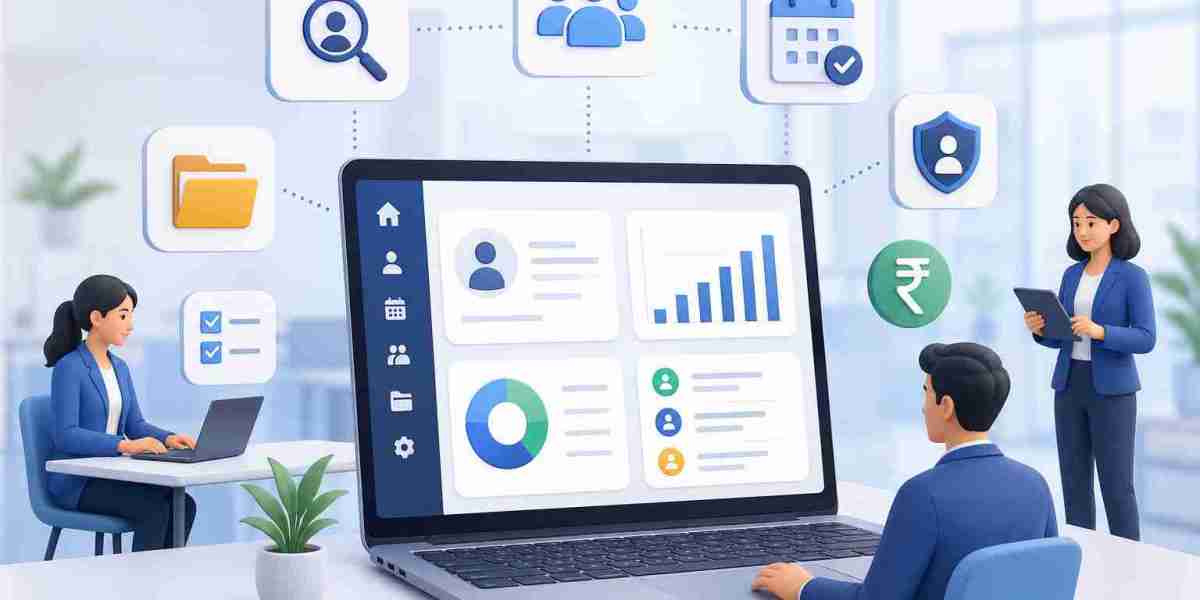
Managing employee attendance is an important part of running a successful organization. Businesses need to track working hours, monitor employee schedules, manage shifts, and maintain accurate attendance records. When these activities are handled manually, HR teams may face unnecessary paperwork, calculation errors, and delays in preparing reports.
Modern businesses are adopting digital tools to simplify workforce administration and improve transparency. An employee attendance management system helps organizations record employee attendance, monitor working hours, manage shifts, and maintain organized attendance information through a centralized platform.
Why Employee Attendance Management Matters
Employee attendance directly affects workforce productivity, salary calculations, and daily business operations. Without an organized tracking process, businesses may find it difficult to identify attendance irregularities or maintain accurate employee records.
A structured attendance management process helps organizations:
Maintain accurate employee attendance records.
Monitor working hours and employee schedules.
Track late arrivals and early departures.
Manage employee shifts and weekly schedules.
Support accurate payroll calculations.
Generate attendance reports for HR teams.
These activities help managers understand workforce availability and maintain better operational control.
Challenges of Traditional Attendance Tracking
Many organizations still depend on spreadsheets, paper registers, or disconnected attendance tools. Although these methods may be manageable for small teams, they can become difficult as the workforce expands.
Some common challenges include:
1. Manual Data Entry
Recording attendance manually requires regular updates and verification. Repeated data entry can increase the possibility of mistakes.
2. Difficulty Managing Multiple Shifts
Businesses operating across departments, locations, or different working schedules need a reliable way to organize employee shifts.
3. Attendance Calculation Errors
Incorrect working hours, missed entries, and inaccurate leave records can create problems during monthly payroll processing.
4. Limited Reporting
Manual records make it harder to prepare attendance summaries and identify recurring workforce patterns.
5. Time-Consuming Administration
HR professionals may spend considerable time collecting attendance information instead of focusing on employee support and other important responsibilities.
Important Features of Modern Attendance Management Software
A digital attendance solution should provide features that simplify everyday workforce activities.
Digital Attendance Recording
Employees can record their attendance through supported digital methods. Depending on the platform, these may include web-based or mobile check-ins.
Shift Management
HR teams can create and manage employee shifts, working schedules, and department-wise arrangements.
Leave Integration
Attendance information can be connected with leave records to help maintain accurate employee working-day information.
Attendance Regularization
Employees can submit requests to correct missing or incorrect attendance entries through structured approval workflows.
Attendance Reports
Managers and HR professionals can review attendance summaries, working hours, absences, and other relevant information.
Payroll Integration
Attendance records can support payroll calculations by providing relevant information about working days, approved leave, and employee schedules.
Benefits of Using Digital Attendance Solutions
Improved Accuracy
Digital records reduce dependence on manual registers and help maintain more consistent attendance information.
Better Workforce Visibility
Managers can review attendance information and understand employee availability more conveniently.
Reduced Administrative Work
Automated processes help HR teams spend less time collecting and organizing attendance records.
Improved Employee Experience
Employees can access their attendance details and submit relevant requests through supported self-service facilities.
Easier Payroll Administration
Connecting attendance and payroll information helps reduce repeated data entry and supports more organized salary processing.
The Connection Between Attendance and Human Resource Management
Attendance management is only one part of the complete employee lifecycle. Businesses also need to manage payroll, recruitment, employee information, performance, leave, and onboarding.
Managing these activities through separate systems can create information gaps and increase administrative effort.
An integrated HR platform connects important workforce functions and provides a centralized way to manage employee-related information. This makes it easier for HR teams to coordinate daily activities and maintain consistent records.
How to Choose the Right Attendance Management Software
Before selecting an attendance solution, businesses should evaluate their operational requirements.
Some important factors include:
Ease of use: Employees and managers should be able to use the system comfortably.
Mobile accessibility: Check whether employees can access attendance features through supported mobile applications.
Shift flexibility: Ensure the platform supports different employee schedules and working arrangements.
Reporting capabilities: Look for useful attendance summaries and detailed reports.
Payroll integration: Check whether attendance information can support salary processing.
Data security: Employee information should be protected through appropriate access controls.
Scalability: Choose a solution that can support the organization's future workforce growth.
Evaluating these requirements helps businesses select technology that fits their working environment.
How HelixtaHR Helps Businesses Manage Their Workforce
HelixtaHR provides an integrated platform designed to simplify employee management and everyday HR activities. Its features include attendance management, payroll processing, leave management, recruitment, employee self-service, and other workforce management capabilities.
The platform helps HR teams organize employee attendance information, manage working schedules, review attendance records, and connect relevant information with payroll activities.
Helix AI also supports conversational interactions, allowing users to access HR information and complete selected activities through an AI-powered assistant.
By bringing multiple HR functions together, HelixtaHR helps businesses reduce administrative complexity and improve workforce management.
Conclusion
Efficient attendance tracking is essential for maintaining accurate employee records and supporting smooth business operations. Digital attendance solutions help organizations simplify working-hour records, manage shifts, monitor employee availability, and improve coordination between HR and payroll teams.
Adopting reliable HRMs Software allows businesses to manage attendance alongside other important employee management activities through a centralized platform. With suitable technology, organizations can improve administrative efficiency and build a more organized workplace.