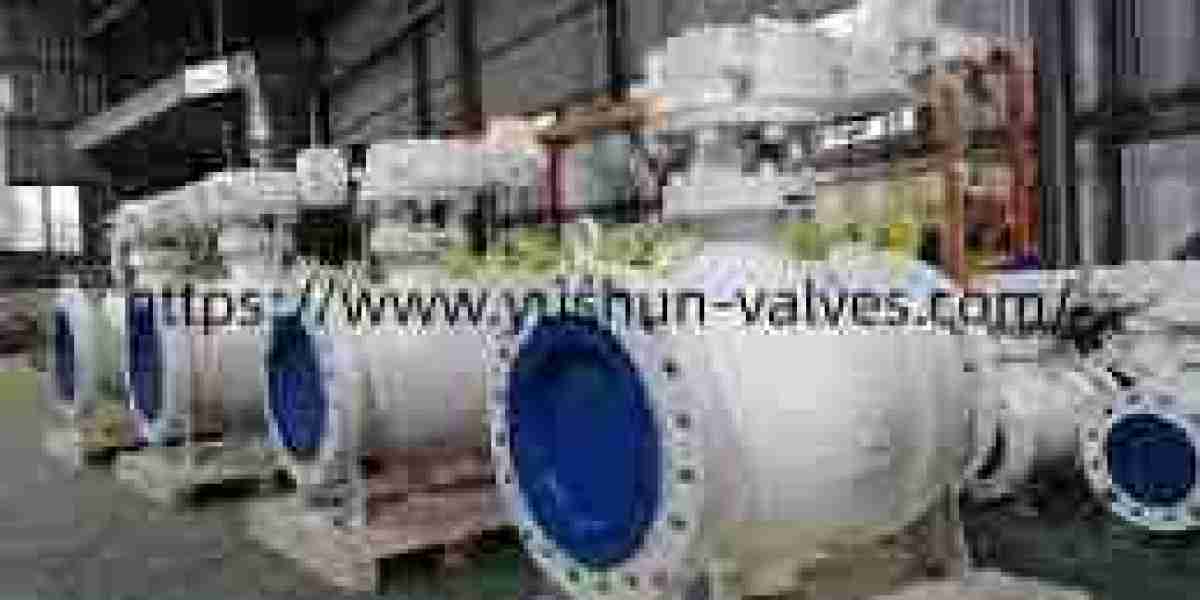
A valve may look like a relatively small part of a large industrial installation, but its design can affect maintenance work, pipeline operation, and equipment isolation. When buyers evaluate an ANSI Ball Valve Factory, they are not simply looking for a supplier that can produce a familiar valve body. They also need to understand how the product is designed around relevant standards, how its internal parts work together, and whether its construction suits the fluid system where it will be installed.
Material selection is one of the first decisions to make. Stainless steel is often considered for applications where corrosion resistance is important, while carbon steel may suit other industrial services. The choice should reflect the actual medium and surrounding conditions. A valve exposed to moisture, chemical substances, or changing process conditions may require a different material approach from one used in a relatively stable system. Buyers should provide accurate application information before requesting a product recommendation.
The internal components need equal attention. A ball valve relies on a rotating ball, seats, stem, seals, and supporting parts to control the passage of fluid. The ball surface needs to work properly with the seats, while the stem connects the operating mechanism to the internal assembly. Sealing materials must be compatible with the medium and service environment. Choosing a valve based only on its external body material can overlook important differences in the components that directly affect shutoff performance.
Standards are central to project compatibility. ANSI-related requirements may cover design, dimensions, connections, materials, testing, or other aspects depending on the applicable standard. The term ANSI should therefore not be treated as a complete product specification by itself. Buyers should identify the exact standard and edition required by their engineering documents. They should also confirm the relevant flange arrangement and other connection details before placing an order. This helps prevent a situation in which a valve appears suitable in a catalogue but does not match the project's installation requirements.
The operating principle of a ball valve is straightforward. Turning the stem rotates the ball, bringing its internal passage into line with the pipeline or across the flow path. This makes the valve useful for opening and closing a line. However, a conventional ball valve is generally selected for isolation rather than continuous flow adjustment. Using it outside its intended operating role may increase wear on the seats. Buyers should explain whether the valve will be used for routine isolation, equipment maintenance, or another process requirement.
Manufacturing quality depends on several stages. The body must be formed and machined to the intended design, while connection surfaces need careful finishing to support proper installation. Internal parts require suitable machining and assembly. The ball surface, in particular, is important because it contacts the sealing elements during operation. Inconsistent finishing or incorrect assembly may affect how smoothly the valve works. These details are not always visible once the product has been installed, making production controls and inspection procedures especially important.
Testing and inspection provide useful evidence of manufacturing consistency. Depending on the product and project requirements, checks may include visual examination, dimensional verification, operating tests, and pressure or leakage testing. Buyers should ask which procedures apply to the requested valve and whether inspection records can accompany the shipment. Clear documentation is useful for engineering reviews, receiving inspections, and future maintenance records. It also gives purchasing teams a more meaningful basis for comparing suppliers than appearance or price alone.
Installation conditions influence the choice of operating arrangement. A lever-operated valve may be suitable where access is convenient and manual operation is expected. Other systems may require a gear operator or an actuator to integrate with automated equipment. The available space around the valve, the direction of operation, and access for maintenance should be considered before finalizing the design. A well-selected valve should fit into the pipeline layout without making nearby equipment difficult to reach.
The user experience becomes clear after installation. Operators need to identify the valve's position and operate it without confusion. Maintenance personnel need access to relevant parts and clear information about replacement components. Markings, surface finishes, and protective packaging also contribute to practical handling. A clean, consistent finish can make visual inspection easier, while clear product identification helps avoid mix-ups when several valves are delivered for one project.
Zhejiang Yushun Valve Co., Ltd. supplies industrial valve products for fluid-control applications, including ball valves and other pipeline valve categories. Buyers considering an ANSI-related ball valve can discuss the required standard, material, connection arrangement, operating method, and inspection documents with the company to confirm product suitability. Providing drawings or project requirements during the inquiry can make this discussion more precise. Further information about the company's products is available at https://www.yushun-valves.com/product/.