


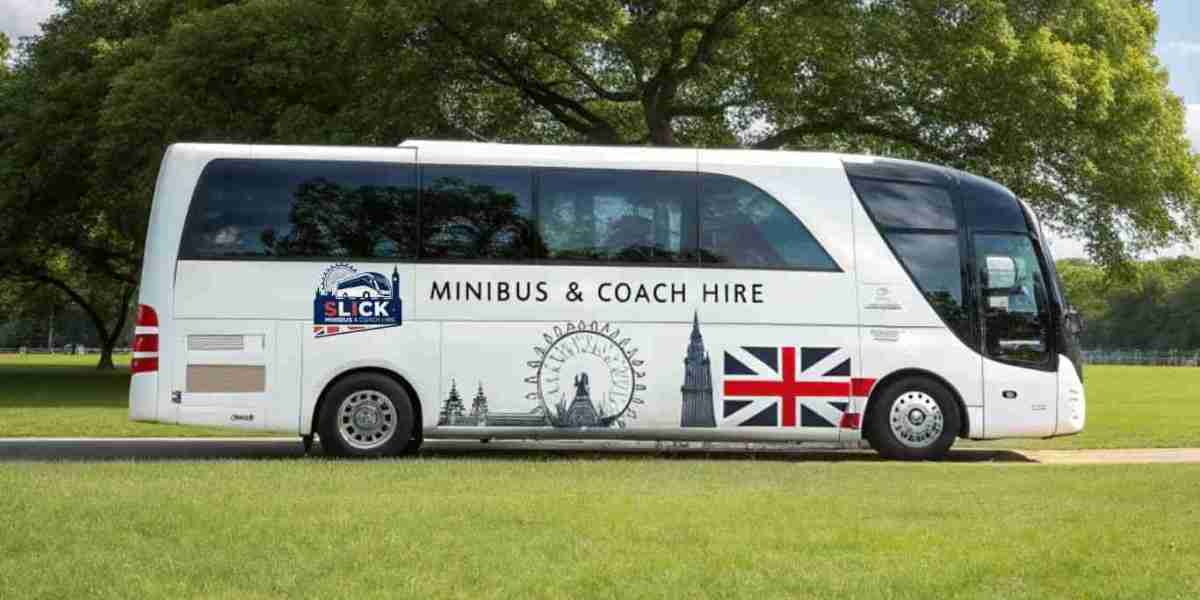
Business meetings are an important part of professional life, whether companies are meeting clients, bringing employees together, attending industry events or organising discussions with business partners. While the meeting itself is often the main priority, arranging suitable transport can also play an important role in ensuring everything runs smoothly. Coach hire for meetings offers a convenient option for businesses that need to transport employees, delegates or clients together.
Across the UK, companies regularly organise meetings in offices, hotels, conference centres and other business venues. When several people need to travel to the same location, arranging group transport can help reduce travel complications and make the journey more organised. Instead of relying on separate cars or asking employees to arrange their own transportation, businesses can plan a shared journey that suits their schedule.
Why Businesses Choose Coach Hire for Meetings
Corporate meetings often involve employees travelling from different offices or locations. In some cases, businesses may need to transport an entire team to another city for a meeting, training session, presentation or client appointment.
Organising transport for everyone separately can create unnecessary difficulties. Employees may arrive at different times, experience delays or struggle to find parking near the venue. Shared coach transport can help simplify these arrangements by allowing the group to travel together.
For larger teams, coach hire can also make it easier to manage departure times and coordinate the overall schedule. Having transport organised in advance means employees can focus on preparing for the meeting rather than worrying about the journey.
Benefits of Organised Corporate Group Transport
Keeping Employees Together
One of the main benefits of group transport is that employees can travel together. This can be particularly useful when a company is arranging a meeting outside its usual office location.
Travelling together can make it easier for teams to communicate before arriving at the venue. Employees may use the journey to discuss the meeting agenda, review presentations or prepare for conversations with clients and colleagues.
It also helps organisers manage the group more efficiently because everyone has the same departure arrangements and destination.
Reducing Travel Stress
Driving through busy UK cities can be challenging, especially when employees are unfamiliar with the area. Finding parking, dealing with traffic and navigating to a meeting venue can take time and create unnecessary stress.
Arranging group transport allows employees to relax during the journey instead of focusing on driving. This can be especially useful when travelling longer distances or attending meetings in busy locations such as London, Manchester, Birmingham, Leeds or Bristol.
A well-planned journey can help employees arrive feeling more relaxed and ready to participate in the meeting.
Improving Time Management
Business meetings often operate according to a fixed schedule. Late arrivals can affect presentations, discussions and the overall meeting agenda.
When transport is organised in advance, companies can establish clear departure times and collection points. This helps employees understand when and where they need to meet.
Although traffic and unexpected delays cannot always be avoided, planning the journey properly and allowing additional time can help improve punctuality.
Coach Hire for Client Meetings and Business Visits
Companies may arrange transport when visiting clients, suppliers, business partners or other organisations. These visits may take place in offices, factories, business parks, hotels or locations outside major city centres.
When several employees are attending the same appointment, shared transport can be a convenient option. It allows the team to arrive together and helps simplify the travel arrangements.
Businesses hosting visiting clients may also arrange group transport from railway stations, hotels or airports to their meeting location. Providing organised transportation can make the visit more convenient and help guests feel welcome.
For companies arranging multiple meetings during the same day, it is important to plan the route, departure times and waiting arrangements in advance.
Suitable Transport for Different Business Meetings
Different meetings require different transport arrangements. The number of passengers, journey distance and event schedule should all be considered when choosing a vehicle.
Internal Company Meetings
Businesses with multiple offices may organise meetings where employees need to travel to another branch or central location.
Shared transport can help bring employees together without requiring everyone to arrange separate journeys. It may also be useful for annual meetings, departmental discussions, planning sessions and company presentations.
Client and Partnership Meetings
When employees are visiting clients or business partners, transport arrangements can help make the journey more organised.
For larger groups, a coach or minibus may be suitable depending on the passenger numbers and travel requirements. Businesses should consider the location of the meeting, the number of people travelling and the time available.
Training and Workshops
Training sessions, workshops and professional development events may take place at venues outside the workplace.
Organising transport can make it easier for employees to attend together, particularly when the venue is located outside the city centre or is not easily accessible by public transport.
Meetings at Conference Centres
Conference centres and exhibition venues often attract large numbers of visitors. Businesses attending conferences may require transport for employees, speakers or delegates.
Group transport can help simplify arrival arrangements, especially when the company has several attendees and wants everyone to arrive at approximately the same time.
Planning Your Meeting Transport in Advance
Proper planning can help avoid last-minute problems and make the journey more straightforward.
Confirm the Passenger Numbers
Before booking, confirm how many employees, clients or delegates will be travelling. The number of passengers will help determine whether a minibus or larger coach is required.
If the group size is likely to change, discuss this with the transport provider when requesting a quotation.
Choose Convenient Pick Up Locations
Select a suitable collection point for everyone travelling. This may be a company office, hotel, railway station, airport or another agreed location.
If employees are travelling from different locations, it may be worth arranging a central meeting point to reduce unnecessary stops and keep the journey organised.
Allow Enough Travel Time
When arranging transport for business meetings, it is important to consider the expected journey time and possible traffic delays.
Busy roads, roadworks and peak travel periods can affect journeys throughout the UK. Allowing additional time can help employees arrive before the meeting begins and gives them time to prepare.
Arrange Return Transport
If employees need transport back to their offices, hotels or collection points, include return arrangements when making the booking.
Meetings may sometimes run longer than expected, so discuss the planned schedule and any waiting requirements with the transport provider before confirming your arrangements.
Comfort and Convenience During Business Travel
Comfort can be an important consideration when employees are travelling to meetings, especially when the journey is longer or the group has a full day of business activities planned.
Suitable seating, enough space for passengers and appropriate luggage arrangements can help make the journey more comfortable.
Employees may also want to bring laptops, presentation materials, documents, briefcases or other business equipment. It is important to discuss these requirements when booking so that the vehicle is suitable for the group.
For longer journeys, passengers may appreciate having refreshments during the trip. However, businesses should check the transport provider's food and drink policy before planning refreshments on board.
You can read this helpful guide about food and drink rules on coaches and minibuses in the UK to understand what passengers should consider before bringing refreshments on their journey.
What Affects the Cost of Coach Hire for Meetings?
The cost of arranging corporate transport depends on several factors. Businesses should provide accurate journey details when requesting a quotation to ensure the price reflects their requirements.
Journey distance: The distance between the collection point and meeting venue can affect the cost of transport.
Hire duration: A simple transfer may cost differently from a booking requiring the vehicle for several hours or a full day.
Passenger numbers: The number of people travelling determines the vehicle size and whether more than one vehicle may be required.
Travel date and time: Demand and vehicle availability may vary depending on the day, time and season.
Additional stops: Multiple collection points, drop offs and waiting time may affect the final quotation.
Providing complete information before booking can help businesses receive a more accurate price and avoid unexpected changes.
Choosing a Reliable Corporate Transport Provider
When arranging transport for business meetings, reliability and communication are essential. Companies should look for a transport provider that understands corporate travel requirements and can discuss the details of the journey clearly.
Before confirming a booking, check the vehicle options, passenger capacity, collection locations, quotation, payment terms and cancellation policy.
If your meeting involves several destinations or a specific timetable, make sure these details are explained when requesting a quote. Clear communication can help ensure the transport arrangements are suitable for the business schedule.
Conclusion
Coach hire for meetings can be a practical solution for businesses arranging transport for employees, clients, delegates and professional groups. Whether you are attending a company meeting, visiting clients, organising training or travelling to a conference, shared transport can help simplify the journey.
By confirming passenger numbers, choosing suitable collection points, allowing enough travel time and arranging return transport in advance, businesses can make corporate travel easier to manage.
Organised transport allows employees to focus on the purpose of their meeting instead of worrying about driving, parking or coordinating separate vehicles. With suitable planning, group travel can become a convenient and comfortable part of the business experience.



