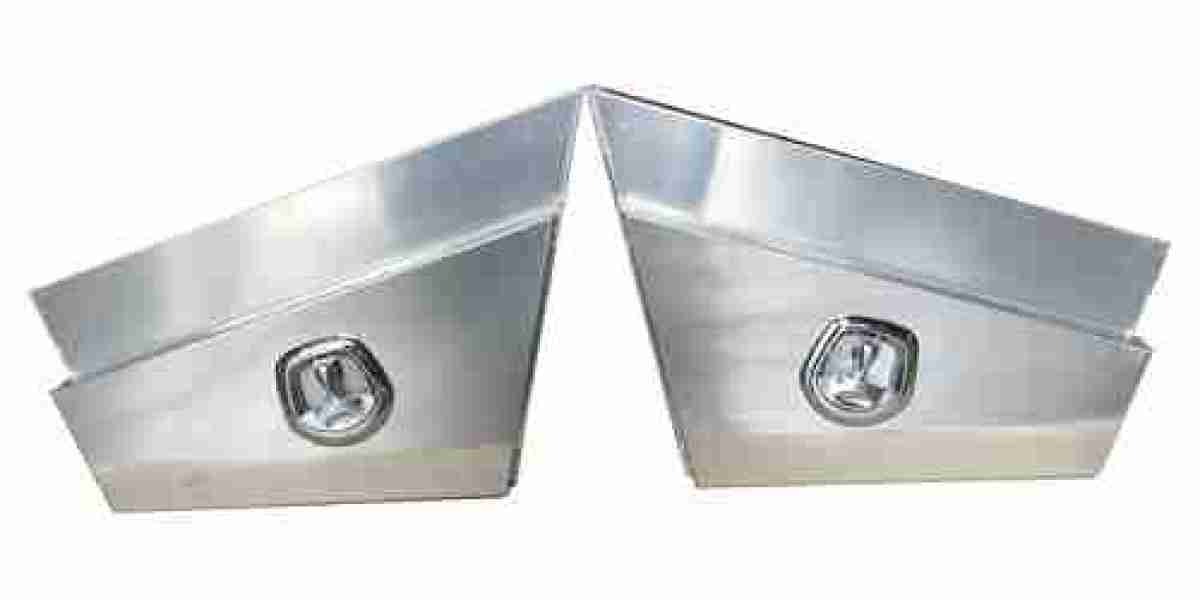
For professionals who depend on their vehicles every day, having an organised storage system can make a significant difference to productivity. Tradespeople regularly transport hand tools, accessories, spare parts, and equipment between workshops and job sites. Without suitable storage, these items can become difficult to manage, potentially wasting time and creating unnecessary workplace frustration.
A well-designed Ute Tool Box provides a practical way to keep essential equipment organised while making better use of the available space in a work vehicle. Whether someone operates a construction business, provides electrical services, or works in plumbing and maintenance, the right storage arrangement can support smoother daily operations.
Why Every Professional Ute Needs Reliable Storage
A ute is often more than a transportation vehicle. For many Australian tradespeople, it functions as a mobile workshop where tools and supplies must remain accessible throughout the working day.
Keeping equipment loose inside the tray can create several challenges. Smaller items may become mixed with larger materials, tools can move during transportation, and locating a specific accessory may take longer than necessary.
A dedicated toolbox helps address these problems by creating a designated place for important equipment. Workers can organise their supplies according to their profession and daily requirements, making it easier to identify and retrieve the items they need.
An organised vehicle can also simplify end-of-day checks, helping workers notice missing tools or supplies that require replacement.
Aluminium Toolboxes for Demanding Work Environments
Material quality is one of the most important factors when choosing vehicle storage equipment. Aluminium is a popular choice for toolboxes because it offers a useful combination of strength, relatively low weight, and corrosion resistance.
These characteristics make aluminium particularly suitable for vehicles that regularly operate outdoors and travel between different work locations.
Compared with heavier storage alternatives, aluminium can help minimise additional vehicle weight while providing practical space for everyday equipment. Its resistance to corrosion is another useful feature, especially when vehicles are exposed to changing weather conditions.
However, buyers should consider the overall construction rather than focusing exclusively on the material. Welding quality, panel thickness, hinges, locks, seals, and mounting arrangements all contribute to the usability and durability of a toolbox.
Maximise Unused Space Beneath Your Ute Tray
One challenge with conventional vehicle storage is the limited amount of available space. Large equipment and building materials often occupy most of the tray, leaving little room for smaller tools and accessories.
Under-tray storage offers an alternative by using space that might otherwise remain unused. This arrangement can help maintain a cleaner cargo area while providing separate compartments for frequently used equipment.
For electricians, this space could accommodate electrical accessories, testing equipment, and smaller hand tools. Plumbing professionals might use it for fittings, connectors, and repair supplies. Mechanics and maintenance workers can also benefit from having dedicated storage for essential tools.
This approach is particularly useful for professionals who need to transport both large materials and smaller equipment without mixing everything together.
Important Features to Consider Before Purchasing
Selecting the right toolbox requires more than simply choosing a design that looks suitable. The product should match the vehicle, available installation space, and intended application.
Consider these important factors before making a purchase:
Dimensions: Measure the available space carefully to ensure the toolbox fits correctly.
Vehicle compatibility: Check whether the design suits your ute model and tray configuration.
Construction quality: Examine aluminium thickness, welding, finishing, and overall build quality.
Storage capacity: Consider the size and quantity of equipment you regularly carry.
Security: Look for suitable locking mechanisms and dependable fittings.
Weather protection: Review the sealing arrangements and level of protection offered.
Installation: Ensure mounting requirements are compatible with your vehicle.
Payload capacity: Include the toolbox and stored equipment when calculating your vehicle's total load.
Evaluating these details beforehand can help you select a storage solution that meets your practical requirements.
Improve Efficiency Across Different Industries
A properly organised vehicle can benefit professionals working across numerous industries.
Construction contractors often carry measuring equipment, hand tools, fasteners, and smaller accessories. Having these items stored separately can make it easier to prepare for different projects.
Electricians may need quick access to testing equipment, cable accessories, connectors, and replacement components. Dedicated storage can help keep these supplies organised and reduce time spent searching through larger cargo areas.
Plumbers, landscapers, mechanics, and property maintenance professionals also have different equipment requirements. A flexible toolbox arrangement allows each worker to organise their vehicle according to the demands of their particular trade.
For businesses operating multiple vehicles, standardised storage arrangements can further simplify equipment management and daily inspections.
Protect Valuable Tools During Transportation
Professional equipment can represent a significant financial investment. Protecting these items during transportation should therefore be an important consideration.
An enclosed toolbox provides a dedicated location for tools that should not be left exposed in an open tray. Depending on its construction and sealing system, it can help reduce exposure to dust, moisture, and other environmental elements.
Locking features can also provide an additional level of security. However, no toolbox should be considered completely theft-proof, so valuable equipment should still be secured appropriately.
Inside the compartment, organising tools and preventing excessive movement can help reduce the risk of damage during travel.
Maintaining Your Toolbox for Long-Term Use
Regular care can help maintain the condition and functionality of vehicle storage equipment. Cleaning the exterior and interior periodically prevents accumulated dirt from affecting everyday use.
Owners should also inspect hinges, locks, mounting brackets, seals, and other fittings. Any signs of damage or loose connections should be addressed according to manufacturer recommendations.
Avoid exceeding recommended load limits, and make sure stored equipment is arranged safely. These simple practices can help support reliable performance throughout regular commercial use.
Conclusion
An efficient work vehicle starts with practical organisation. Choosing suitable storage equipment can help tradespeople maximise available space, protect valuable tools, and simplify everyday transportation between job sites.
For professionals looking to improve their vehicle setup, a quality Ute Tool Box is a worthwhile addition to consider. By selecting the right dimensions, construction, storage capacity, and installation arrangement, ute owners can create a more functional workspace that supports their daily business requirements.
Ultimately, better storage is not just about keeping tools in one place. It is about creating a more organised, convenient, and productive working environment.