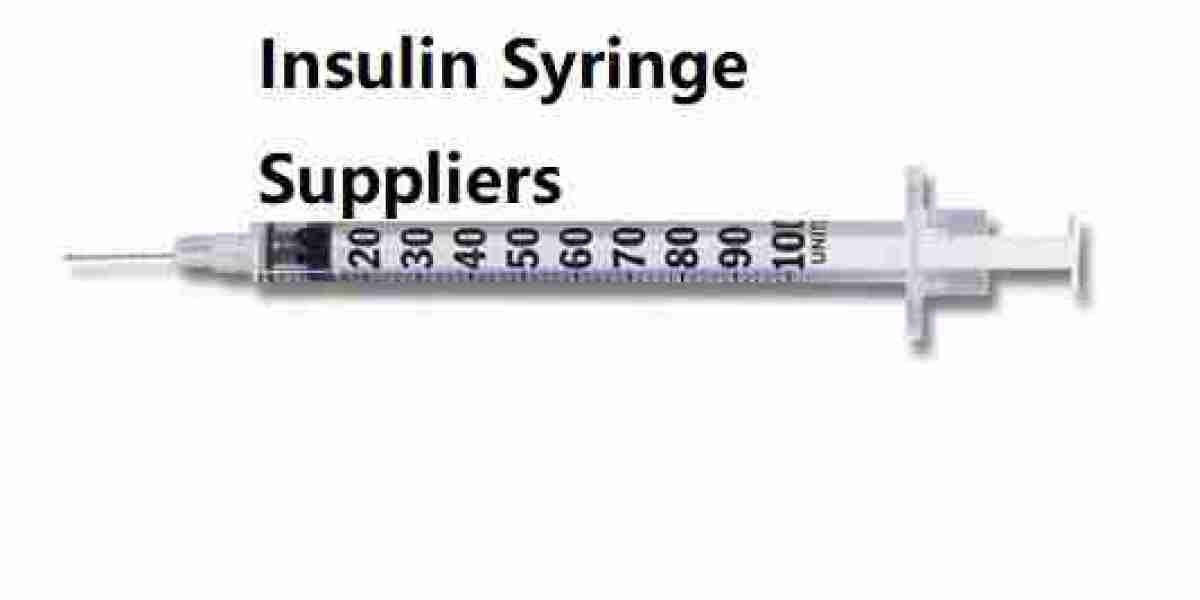
The medical consumables industry depends on products that meet precise specifications and support the daily requirements of healthcare professionals. When developing a stable purchasing strategy, choosing an experienced Syringe And Needle Producer can help distributors access suitable injection products for different medical supply channels. A capable Syringe And Needle Producer should understand component compatibility, production consistency, packaging standards, and customer requirements to support the changing needs of hospitals, clinics, laboratories, and medical distributors.
Product Design for Different Clinical Requirements
Syringes and needles are used in numerous healthcare procedures, but different applications require different product configurations. Syringe capacity, connection structure, needle dimensions, and packaging formats can influence purchasing decisions.
For example, medical distributors may need several syringe capacities to serve hospitals, outpatient facilities, and specialized clinics. Needle specifications may also vary according to intended applications and healthcare requirements.
A well-designed syringe should provide clear volume markings, a suitable barrel structure, and smooth plunger movement. These characteristics help healthcare professionals handle the product according to its intended use.
Needle products require careful attention to dimensional consistency, material properties, and connection compatibility. Manufacturers must coordinate these elements during product development to achieve consistent finished products.
Understanding the requirements of different customer groups allows manufacturers to organize product specifications more effectively and provide solutions for various medical supply markets.
Production Processes and Component Coordination
Syringe and needle manufacturing involves multiple production stages. Each stage contributes to the consistency and usability of the finished product.
Raw material selection comes first. Materials used for medical consumables should be appropriate for their intended applications and comply with applicable requirements. Their physical characteristics can influence product transparency, structural stability, and manufacturing performance.
Component production is another important stage. Syringe barrels, plungers, needle assemblies, and connection components require suitable dimensions to ensure compatibility during assembly.
Manufacturers should also pay attention to the following production considerations:
Component precision: Consistent dimensions help maintain compatibility between individual parts.
Assembly procedures: Controlled assembly processes support uniform product construction.
Surface quality: Appropriate finishing contributes to product consistency and intended functionality.
Production inspection: Inspection procedures help identify manufacturing deviations.
Packaging management: Suitable packaging helps maintain product condition during handling and transportation.
Coordinating these stages helps manufacturers establish repeatable production procedures and respond to different customer specifications.
Packaging and Procurement for Medical Distributors
Packaging is an important consideration for companies purchasing medical consumables in bulk. Hospitals, wholesalers, and regional distributors often have different requirements concerning product quantities, packaging formats, labeling, and storage arrangements.
Clear product identification helps purchasing departments organize inventory and distinguish between different specifications. Consistent packaging arrangements can also simplify warehouse operations and distribution management.
For international buyers, packaging information should be reviewed alongside product documentation and applicable market requirements. Importers may need specific labeling details, conformity documents, and registration information before products can enter their distribution channels.
Another consideration is order planning. Buyers should communicate expected quantities, product configurations, and delivery requirements in advance. This allows manufacturers to coordinate production arrangements and helps reduce misunderstandings during procurement.
A supplier capable of discussing packaging and product specifications can make the sourcing process more efficient for businesses handling multiple medical consumable categories.
INIMD Supports Medical Consumable Sourcing
INIMD provides medical consumable products for customers involved in healthcare supply and distribution. Its syringe and needle product category serves businesses seeking injection-related products for professional medical supply channels.
When evaluating a manufacturing partner, distributors should consider more than product availability. Manufacturing experience, product specifications, quality management, packaging arrangements, and communication efficiency all contribute to a practical sourcing relationship.
Different purchasing markets may have different expectations regarding syringe capacities, needle configurations, and product documentation. Buyers should therefore clarify their requirements before confirming orders.
For companies managing multiple product categories, working with a supplier that understands medical consumable specifications can simplify product evaluation and procurement coordination.
Clear communication between manufacturers and purchasing teams also helps establish consistent expectations regarding product details, order quantities, and delivery arrangements. This is especially valuable for distributors supplying different healthcare institutions.
Building a More Organized Medical Supply Chain
A reliable medical supply chain requires coordination between product manufacturers, distributors, importers, and healthcare purchasing departments. Syringes and needles may be standard medical consumables, but their procurement still requires careful attention to specifications and supply arrangements.
Purchasing teams should establish clear product requirements before placing orders. These may include syringe capacity, needle dimensions, connection types, packaging preferences, and applicable regulatory documentation.
Inventory planning is equally important. Maintaining appropriate stock levels helps distributors respond to customer demand while avoiding unnecessary purchasing pressure. Regular communication with suppliers can also improve order coordination and provide better visibility into production arrangements.
Businesses searching for syringe and needle products can visit https://www.inimd.com/ to explore available medical consumable categories and learn more about the company's product offerings. The website provides a starting point for medical distributors, wholesalers, healthcare procurement departments, and international buyers interested in injection-related supplies. Visitors can review product information, compare relevant specifications, and contact the company to discuss sourcing requirements, packaging arrangements, and potential business cooperation. By confirming technical details and purchasing expectations in advance, buyers can develop more efficient procurement plans and establish supply relationships that support their ongoing medical distribution activities.