


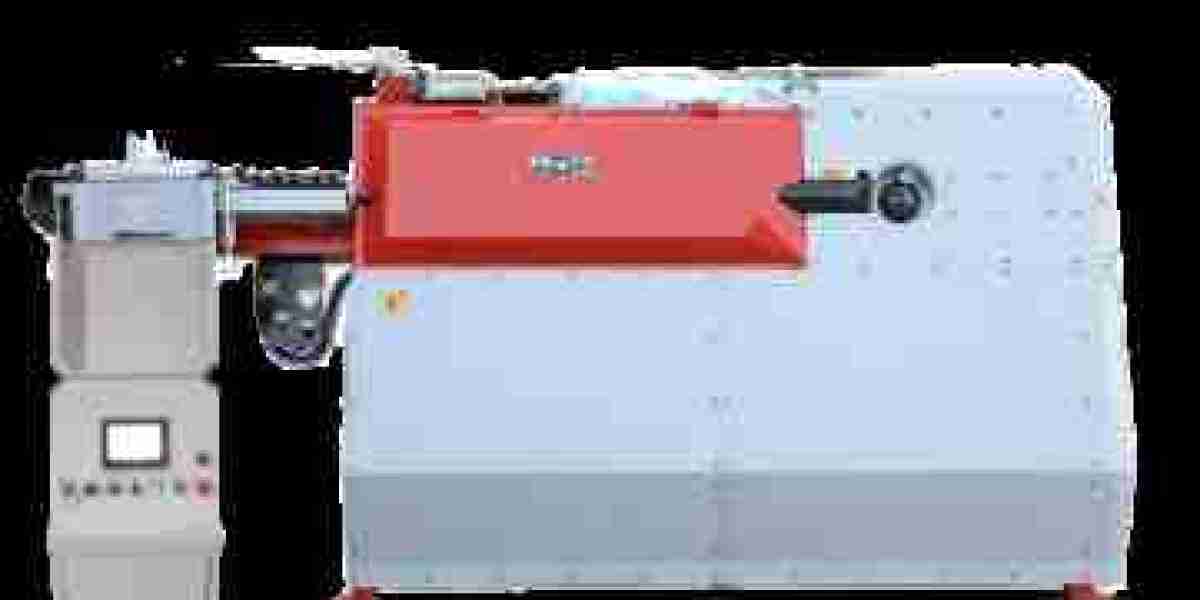
Wire components are essential across numerous industries, including construction, automotive manufacturing, furniture production, electrical equipment, agriculture, and general engineering. From simple hooks and brackets to complex metal frames and customized components, manufacturers rely on accurate wire forming to meet different product requirements. As demand for consistent quality and faster production increases, businesses are exploring automated solutions. An automatic wire bending machine can help manufacturers streamline forming operations, reduce repetitive manual work, and achieve more controlled production processes.
Traditional wire bending often involves manual tools, mechanical equipment, and repeated adjustments. These methods may be suitable for limited production, but handling larger quantities or complicated shapes can create operational challenges. Automation offers a more systematic way to manage these requirements while helping businesses maintain consistent output.
Why Accurate Wire Forming Matters
Wire products may appear simple, but their dimensions and shapes often have an important impact on how they function. A bracket that does not fit correctly, a frame with uneven angles, or a component with inconsistent dimensions can create problems during assembly and installation.
In industries where products are manufactured in large batches, even small variations can affect quality control and increase the possibility of rejected parts. Accurate forming helps manufacturers produce components that match technical drawings and customer specifications.
Automated bending technology supports this objective by using programmed instructions to guide forming operations. Once the appropriate settings are established, manufacturers can repeat similar production tasks with greater consistency.
How Automation Improves the Bending Process
Automatic wire bending equipment uses controlled mechanical movements to shape wire according to predefined requirements. Depending on the machine's configuration, operators can manage different bending sequences and produce a variety of shapes.
This reduces the need for workers to perform every bend manually. Instead, they can focus on setting production parameters, preparing materials, monitoring operations, and inspecting finished components.
The benefits can include:
Repeatable forming: Programmed operations help maintain consistency across production batches.
Improved dimensional control: Defined bending instructions support more predictable component shapes.
Reduced repetitive labor: Automation can minimize time spent on manual forming activities.
Production organization: Standardized processes make recurring orders easier to manage.
Greater manufacturing flexibility: Different component designs can be handled according to machine capabilities.
The exact performance depends on wire material, diameter, product complexity, machine specifications, and operator experience.
Supporting Different Industrial Applications
Wire bending is used in a wide range of manufacturing environments. Each industry has its own requirements, which makes production flexibility an important consideration.
Construction and building products: Wire forming supports the manufacture of reinforcement accessories, brackets, mesh-related components, and other metal fittings.
Automotive manufacturing: Formed wire components can be used in seating systems, clips, supports, and selected vehicle assemblies.
Furniture production: Manufacturers use shaped wire for frames, supports, storage products, and decorative structures.
Agricultural equipment: Wire components may be incorporated into cages, supports, protective structures, and equipment fittings.
Electrical and general engineering: Formed wire is useful for clips, holders, mounting components, and specialized metal parts.
Because these applications involve different shapes and specifications, businesses should select equipment that matches their actual production requirements.
Improving Productivity Without Overlooking Quality
Manufacturing efficiency is not measured by speed alone. A productive facility must balance output, accuracy, material utilization, and dependable quality.
Manual processes can become difficult to manage when production volumes increase. Workers may need to repeat the same movements hundreds or thousands of times, which can create fatigue and variation. Automated forming helps establish a more structured workflow and can reduce dependence on repetitive manual operations.
However, quality inspection remains necessary. Manufacturers should check initial components, verify dimensions, and monitor finished products throughout production. This helps identify incorrect settings or material-related issues before they affect an entire batch.
A combination of automation and systematic inspection provides a stronger foundation for consistent manufacturing.
Reducing Material Waste and Unnecessary Rework
Raw material costs can have a significant effect on manufacturing profitability. Poor planning, incorrect measurements, and inconsistent forming may lead to damaged wire, rejected components, or additional processing.
Automated production can support better control by allowing operators to follow established bending parameters. When production instructions are properly prepared and tested, businesses can reduce avoidable variations and improve the repeatability of their operations.
Material management also requires accurate measurement, suitable wire selection, proper storage, and careful handling. Operators should confirm that the material is compatible with the machine and the intended application before starting production.
These practices can help reduce waste while supporting more predictable operating costs.
Choosing the Right Wire Bending Equipment
Before investing in automated machinery, manufacturers should evaluate their current workload and future requirements. The most suitable equipment is not necessarily the largest or fastest model; it is the one that fits the products and production environment.
Important factors include:
Wire diameter and material compatibility: Confirm the supported wire sizes and material types.
Product complexity: Review whether the machine can produce the shapes and bending sequences required.
Production capacity: Estimate expected output based on real orders and operating schedules.
Control and programming: Understand how designs are entered, adjusted, and stored for repeated production.
Maintenance and technical support: Consider servicing needs, spare parts, training, and after-sales assistance.
A careful assessment helps businesses make an investment that supports both current production and long-term development.
The Importance of Skilled Operators and Maintenance
Automation changes the nature of manufacturing work, but it does not remove the need for skilled employees. Operators must understand machine controls, material specifications, safety procedures, and quality requirements.
Regular maintenance is equally important. Cleaning, lubrication, inspection of moving components, and timely servicing help maintain equipment reliability. A planned maintenance routine can also reduce unexpected downtime and protect production schedules.
When trained personnel work with properly maintained machinery, manufacturers can build a more dependable production environment.
Moving Toward More Competitive Manufacturing
As customer expectations evolve, metal fabrication businesses must deliver products with dependable dimensions, consistent quality, and reliable lead times. Automated wire forming can help companies respond to these expectations by improving process control and reducing repetitive production work.
For manufacturers planning to modernize their operations, exploring the automatic wire bending machine from XYCSteel can be a useful step toward more organized and efficient wire fabrication. By combining suitable technology with experienced operators and effective quality management, businesses can strengthen their production capabilities and prepare for changing industrial demands.



