As more of India's workforce shifts toward contract roles, freelance engagements, and gig-based work, a question comes up more frequently than it used to: does severance pay apply to workers who aren't traditional full-time employees? For HR teams managing a mixed workforce - and for contract or gig workers trying to understand their own rights - the answer isn't as straightforward as it is for standard employment.
Severance pay, as most people understand it, was built around a traditional employer-employee relationship. Contract work, fixed-term engagements, and gig-based arrangements often fall outside that framework entirely, which creates genuine ambiguity about what, if anything, workers in these categories are entitled to when an engagement ends.
This guide looks at how severance pay concepts apply - or don't apply - to contract and gig workers, what employers should consider when structuring these engagements, and what workers in this category should know about their rights.
Severance Pay Meaning and Why It Rarely Applies to Contract Work
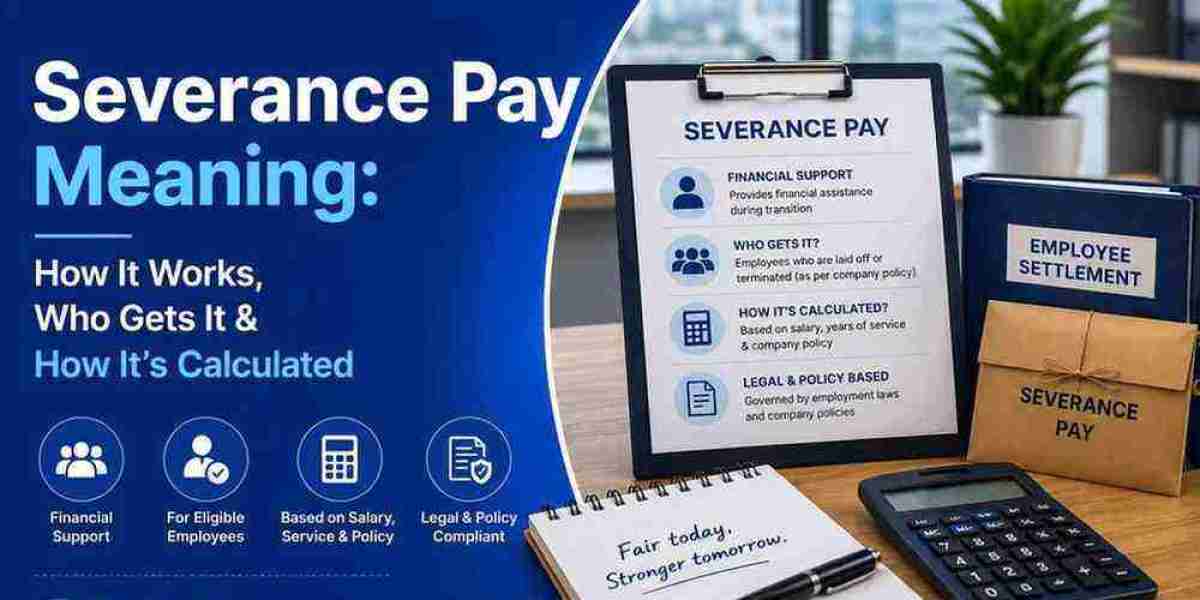
Severance pay meaning refers to compensation an employer provides to an employee when their job ends due to layoffs, retrenchment, restructuring, or business closure - situations tied specifically to the traditional employment relationship. It's designed to support employees during the transition period after an involuntary job loss, and it's generally grounded in labor law provisions written around permanent or fixed-term employment.
Contract workers and gig workers, by contrast, are typically engaged under a different legal framework entirely - often a service agreement or contractor relationship rather than an employment contract. This distinction matters enormously, because most of the legal protections and entitlements associated with severance pay were designed around traditional employment status. For a foundational understanding of how severance pay works for standard employees, including eligibility and calculation methods, this guide on severance pay meaning, eligibility, and calculation provides useful context before looking at where contract and gig work diverges from that framework.
The Core Distinction: Employee vs Independent Contractor
Whether severance-related protections apply often comes down to how a worker is classified - as an employee or as an independent contractor - rather than simply what their role involves day to day. Indian labor law generally extends severance-related protections to employees, while independent contractors and gig workers typically operate under commercial agreements that don't carry the same statutory obligations.
This classification isn't always clear-cut in practice. Some workers labeled as "contractors" may, based on the actual nature of their working relationship - level of control, exclusivity, integration into company operations - have grounds to argue they should be classified as employees, which would bring different legal protections into play. This is an area where misclassification, whether intentional or accidental, can create significant legal risk for employers.
What Contract and Gig Workers Are Typically Entitled To
While standard severance pay usually doesn't apply, contract and gig workers aren't necessarily without any protection or compensation when an engagement ends. What applies typically depends on the specific terms of their agreement and their classification:
Fixed-term contract employees who are formally classified as employees, even on a fixed-term basis, may have specific end-of-contract entitlements depending on their employment terms and applicable regulations, which can differ from standard severance pay but may include certain completion benefits.
Independent contractors and freelancers are generally governed by the terms of their service agreement rather than labor law severance provisions. Any compensation for early termination typically depends on what the contract specifies, such as a notice period or kill fee, rather than a statutory severance obligation.
Gig economy workers, engaged through platforms or on a project basis, generally fall outside traditional severance frameworks entirely, though this is an evolving area of policy discussion as gig work becomes more prevalent across industries.
Consultants on retainer typically have compensation terms defined in their consulting agreement, which may or may not include provisions for early termination, but this is a matter of contract negotiation rather than statutory entitlement.
What Employers Should Consider
Get classification right from the start. Before engaging any worker as a contractor rather than an employee, ensure the actual working relationship supports that classification. Misclassifying employees as contractors to avoid severance and other statutory obligations carries real legal risk if challenged.
Define end-of-engagement terms clearly in contracts. Whether or not statutory severance applies, contracts with fixed-term employees, contractors, and consultants should clearly specify what happens - including any compensation, notice requirements, or completion terms - when the engagement ends early or concludes as planned.
Don't assume uniform treatment across your workforce. Organizations with a mixed workforce of full-time employees, fixed-term staff, and contractors need distinct policies for each category, since applying employee-focused severance policies uniformly can create confusion or unintended obligations.
Review contractor agreements periodically. As regulations around gig and contract work continue to evolve, periodically reviewing standard contractor agreements helps ensure they remain compliant and clearly defined.
Consider voluntary goodwill payments where appropriate. Even without a legal obligation, some organizations choose to offer transition support or a goodwill payment to long-term contractors or consultants whose engagements end due to restructuring, both as a matter of fairness and to protect the company's reputation within professional networks.
What Contract and Gig Workers Should Know
- Understand your actual classification, not just your title. Being called a "contractor" doesn't automatically mean you lack employee protections - the actual nature of the working relationship matters more than the label.
- Read your contract's termination clauses carefully. Any compensation for early termination will typically be defined there, not in general labor law provisions around severance.
- Negotiate termination terms upfront. If severance-style protection matters to you, it's worth negotiating specific terms - such as a notice period or kill fee - into your contract before starting the engagement, rather than assuming standard protections will apply.
- Keep engagement documentation. Records of your actual working relationship - hours, exclusivity, level of company control - can be relevant if you ever need to challenge your classification.
- Understand that gig work protections are evolving. Policy discussions around gig worker rights are ongoing, so it's worth staying informed about developments that could affect your specific type of work arrangement.
How HR Teams Can Manage a Mixed Workforce Fairly
Organizations increasingly rely on a blend of full-time employees, fixed-term staff, and independent contractors, which means HR and payroll teams need systems capable of tracking different entitlement rules for each category. Applying a single settlement framework across all worker types risks both compliance errors and unnecessary disputes.
A well-structured HRMS helps by maintaining clear records of each worker's classification, contract terms, and applicable entitlements, ensuring that severance-related calculations are only applied where they're legally or contractually relevant. Savvy HRMS supports this kind of workforce segmentation, helping HR teams manage full-time employees, contract staff, and other worker categories within a single platform while keeping each group's specific entitlement rules distinct and accurately applied.
The Risk of Misclassification for Employers
Misclassifying employees as independent contractors - whether to reduce statutory obligations or simply due to unclear internal policies - is a risk that tends to surface at the worst possible time, usually when a worker challenges their classification after an engagement ends. If a worker successfully argues they were functionally an employee despite being labeled a contractor, the organization could face retroactive liability for severance, gratuity, and other statutory entitlements they hadn't budgeted for.
This risk grows with scale. A single misclassified contractor might create a minor dispute, but organizations that rely heavily on contract labor across large parts of their workforce - without periodically auditing how those relationships actually function in practice - expose themselves to considerably larger liability if classification practices are ever challenged collectively or reviewed by labor authorities. Regular internal audits of contractor relationships, checking factors like exclusivity, day-to-day control, and integration into core business operations, are a worthwhile investment for any organization that relies significantly on non-employee talent.
Final Thoughts
Severance pay, as it's traditionally understood, was built for a standard employment relationship - and largely doesn't extend to independent contractors or gig workers in the same way. But that doesn't mean end-of-engagement compensation is irrelevant for this growing part of the workforce; it simply means the terms are defined by contract rather than statutory entitlement.
For employers, this makes clear contract drafting and correct worker classification more important than ever, particularly as contract and gig arrangements become a larger share of how organizations build their teams. For workers in these categories, understanding exactly what protections do and don't apply - and negotiating clear terms upfront - is the most reliable way to avoid uncertainty when an engagement eventually comes to an end.