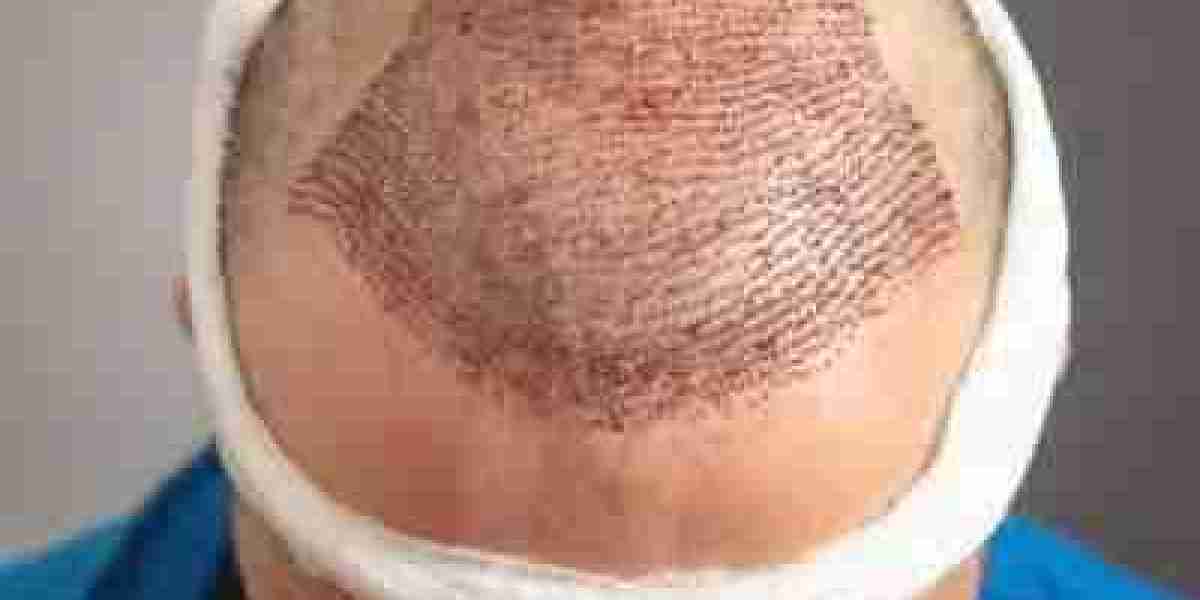
Hair loss around the temples is a common concern for people experiencing a receding hairline or gradual hair thinning. The temples are particularly important because they help define the overall hairline and frame the face. When hair becomes thinner in these areas, the forehead may appear wider, and the hairline can look uneven. Many people consider a hair transplant to restore temple hair and achieve a more balanced appearance.
A Hair Transplant in Dubai can help restore hair around the temples in suitable candidates. However, the outcome depends on several factors, including the extent of hair loss, donor hair availability, scalp condition, and the pattern of existing hair growth. Understanding these factors can help individuals make informed decisions about hair restoration.
Why Does Hair Loss Occur Around the Temples?
Temple hair loss can develop for different reasons. One of the most common causes is androgenetic alopecia, also known as pattern hair loss. This condition is associated with genetic factors and sensitivity to hormones that influence hair follicle activity.
In men, temple recession may be an early sign of male pattern baldness. The hairline gradually moves backwards, creating an M-shaped appearance. Women can also experience thinning around the temples, although their hair loss patterns may be different.
Other possible contributing factors include:
Genetic predisposition: Family history can influence when and where hair loss develops.
Hormonal changes: Hormonal fluctuations may contribute to changes in hair density.
Traction-related hair loss: Repeated tension from tight hairstyles can damage follicles around the hairline.
Nutritional deficiencies: Inadequate intake of certain nutrients may contribute to excessive shedding.
Medical conditions: Some scalp conditions and health concerns can affect normal hair growth.
Identifying the underlying cause is important before considering surgical hair restoration.
Can Hair Transplant Restore Hair Around the Temples?
Yes, hair transplantation can restore hair in the temple region by relocating healthy follicles from a donor area, usually the back or sides of the scalp, to areas experiencing hair loss.
The transplanted follicles are carefully placed to recreate the natural direction, angle, and density of temple hair. Since the temple region has a distinctive growth pattern, precise placement is particularly important for achieving a natural-looking appearance.
Hair transplantation does not create new follicles. Instead, it redistributes existing healthy follicles to areas where hair density has decreased. This makes donor hair availability an important consideration during treatment planning.
Which Hair Transplant Techniques Can Be Used for Temple Restoration?
Different hair transplantation techniques may be considered depending on the patient's hair characteristics and treatment requirements.
Follicular Unit Extraction (FUE)
FUE involves extracting individual follicular units from the donor area and implanting them into the areas affected by hair loss. This technique allows careful placement of follicles and avoids a long linear scar.
It may be considered for patients seeking targeted restoration around the temples.
Follicular Unit Transplantation (FUT)
FUT involves removing a strip of scalp tissue from the donor region. Individual follicular units are then separated and prepared for transplantation.
The suitability of this approach depends on donor characteristics, the patient's preferences, and the overall restoration plan.
The choice between techniques should be based on a professional assessment rather than the assumption that one method is appropriate for everyone.
What Factors Influence Hair Transplant Results Around the Temples?
Temple restoration requires careful planning because this region has naturally fine hair and distinctive growth angles. Several factors can influence the final appearance.
Donor Hair Quality
Healthy donor follicles are essential for transplantation. Hair thickness, follicle strength, and available donor density help determine how many grafts may be suitable.
Natural Hairline Design
The temple hairline should complement facial proportions and existing hair growth. An excessively low or sharply defined hairline may appear unnatural over time.
Hair Growth Direction
Temple hair generally grows at specific angles. Correctly positioning transplanted follicles helps them blend with surrounding hair.
Existing Hair Loss Pattern
Hair loss can continue even after transplantation. A treatment plan should consider the possibility of future thinning and preserve sufficient donor hair for long-term needs.
Scalp Health
A healthy scalp supports the healing process. Conditions such as inflammation, infection, or certain types of hair loss may need evaluation before surgery.
What Is the Recovery and Hair Growth Timeline?
Hair transplant results develop gradually rather than immediately. Understanding the recovery process helps patients maintain realistic expectations.
During the initial days, mild swelling, redness, tenderness, or small scabs may develop around the treated areas. These effects generally improve as the scalp heals.
Transplanted hairs commonly shed during the first few weeks. This is known as shock loss and is generally an expected part of the hair transplantation process. The follicles remain beneath the skin and can produce new hair later.
New growth often becomes noticeable after three to four months, although individual timelines vary. More visible improvement generally develops between six and twelve months. Temple restoration may require patience because the transplanted hair needs time to mature and blend with existing hair.
Following aftercare instructions and attending recommended follow-up appointments can support appropriate recovery.
Who Is a Suitable Candidate for Temple Hair Transplantation?
Not everyone experiencing temple recession is automatically suitable for surgery. A professional evaluation helps determine whether transplantation is an appropriate option.
Potential candidates may include individuals who:
Have stable hair loss around the temples.
Have sufficient healthy donor hair.
Have realistic expectations about density and coverage.
Have no untreated scalp conditions that could affect healing.
Understand that natural hair loss may continue in untreated areas.
People experiencing sudden hair loss, unexplained shedding, or active scalp inflammation may require further investigation before considering transplantation.
How Does Tajmeels Clinic Approach Temple Hair Restoration?
At tajmeels clinic dubai, hair transplant planning focuses on understanding individual hair loss patterns, donor area characteristics, scalp condition, and personal restoration goals. The assessment helps determine whether temple restoration is suitable and what approach may be appropriate.
Factors such as natural hairline shape, follicle distribution, existing hair density, and future hair loss possibilities are considered when developing a personalised treatment plan. Patients can also discuss the expected recovery process, realistic outcomes, and aftercare requirements during their consultation.
Frequently Asked Questions
1. Can a hair transplant restore completely bald temples?
A hair transplant may restore hair in completely bald temple areas if suitable donor follicles are available and the scalp is appropriate for surgery.
2. How many grafts are needed for temple restoration?
The number varies according to the size of the affected area, desired density, hair characteristics, and available donor supply.
3. Does transplanted temple hair grow naturally?
Transplanted follicles can produce natural hair growth. Appropriate hairline design and implantation angles are important for achieving a natural appearance.
4. Can temple hair loss continue after transplantation?
Yes. Existing non-transplanted hair may continue thinning due to genetic hair loss. Long-term planning is therefore important.
5. When can I see the final results of temple hair transplantation?
Visible improvement develops gradually, with results generally assessed around 12 months after the procedure.
More Information
Tajmeels Clinic Dubai
WhatsApp: +971 56 203 8751
Phone: tel:+971 43739000
Social Media: