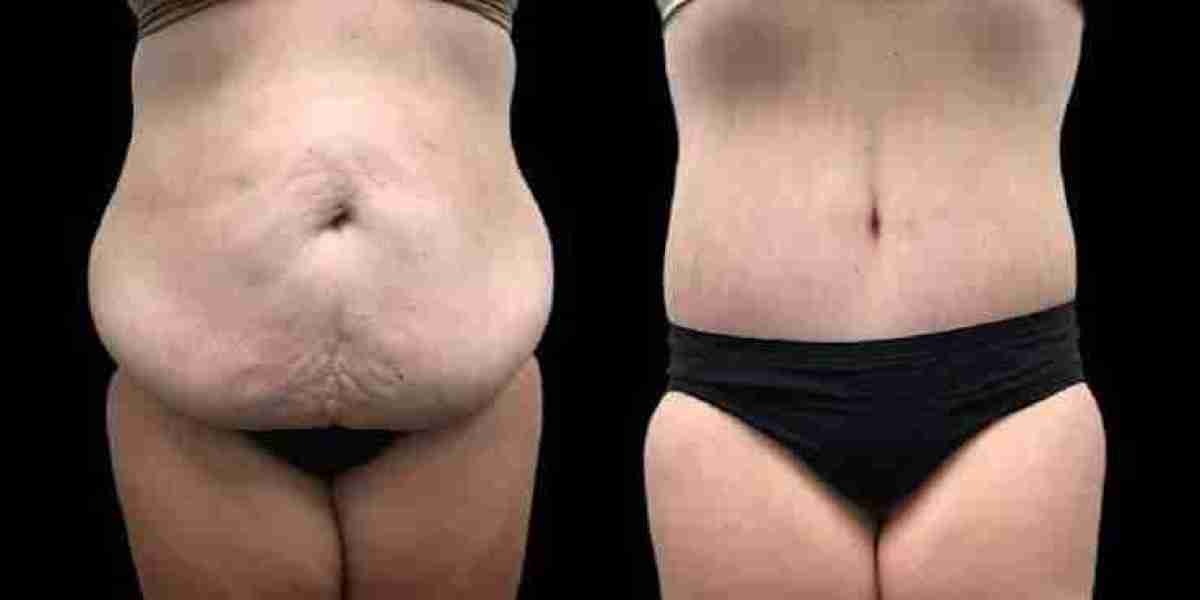
Significant weight loss can be a major personal achievement, but it may also leave behind loose skin, stubborn tissue folds, and changes in body proportions. These concerns can affect comfort, clothing choices, physical activities, and confidence. Post-Weight Loss Surgery in Dubai offers different surgical options to address excess skin and improve body contours. However, not every patient requires the same procedure. A detailed medical assessment is essential to determine suitability and develop an appropriate surgical plan.
Understanding how a clinic evaluates patients before surgery helps individuals make informed decisions. The assessment considers medical history, weight stability, skin condition, body composition, personal expectations, and overall health.
Why Is Patient Assessment Important Before Post-Weight Loss Surgery?
After substantial weight reduction, the skin may not fully return to its previous shape. This can happen because prolonged stretching affects skin elasticity and the underlying supporting tissues. Some individuals develop excess skin around the abdomen, thighs, upper arms, breasts, back, or lower body.
A pre-surgical assessment helps identify which areas require attention and whether surgery is medically appropriate. It also allows the surgical team to evaluate potential complications, healing requirements, and realistic outcomes.
Rather than recommending a procedure based only on appearance, a comprehensive assessment considers the patient's overall health and individual circumstances.
1. Reviewing Medical History and Previous Weight Loss
The first stage of assessment generally involves reviewing the patient's medical history and weight-loss journey. The surgical team needs to understand how much weight has been lost, how quickly the reduction occurred, and whether the patient's weight has remained consistent.
Previous bariatric procedures, weight-management treatments, medical conditions, and ongoing medications may also influence surgical planning.
Important factors include:
Previous weight-loss surgery or treatments.
History of diabetes or blood pressure concerns.
Existing medical conditions affecting healing.
Previous surgical procedures and recovery experiences.
Current medications and supplements.
History of smoking or nicotine use.
This information helps identify potential risks and determine whether additional medical evaluation is necessary before proceeding.
2. Evaluating Weight Stability
Weight stability is an important consideration before post-weight loss surgery. Patients who are still experiencing significant weight changes may not be ready for body contouring procedures.
Continued weight reduction or weight gain can affect the amount of excess skin and influence the final surgical results. Maintaining a relatively stable weight allows the surgical team to evaluate body proportions more accurately.
There is no universal timeline suitable for everyone. The appropriate period of weight stability depends on individual circumstances, medical history, and the type of procedure being considered.
Patients should discuss their weight-management goals during the consultation to establish an appropriate surgical timeline.
3. Assessing Loose Skin and Body Areas
The amount, location, and condition of excess skin help determine which procedures may be suitable. Following major weight loss, some patients experience loose skin in one area, while others have concerns involving multiple body regions.
The assessment may include examining:
Abdominal area: Excess skin, lower abdominal folds, and changes in abdominal contours.
Upper arms: Hanging skin that may affect clothing and movement.
Thighs: Loose tissue around the inner or outer thighs.
Breasts and chest: Changes in skin firmness, breast volume, and overall proportions.
Back and waist: Skin folds and excess tissue affecting body contours.
Skin quality, elasticity, existing scars, and tissue distribution are also considered. These details help determine whether an individual may benefit from a tummy tuck, arm lift, thigh lift, breast lift, or lower body lift.
4. Checking Overall Health and Surgical Fitness
Post-weight loss procedures are surgical interventions, so general health plays an important role in determining eligibility.
The medical team may assess nutritional status, blood pressure, blood sugar levels, and other health indicators depending on the patient's medical history.
Nutritional deficiencies deserve particular attention, especially among individuals who have undergone bariatric surgery. Inadequate protein, iron, vitamin B12, vitamin D, and other nutrients may affect recovery and wound healing.
Additional investigations may be recommended when clinically necessary. The purpose is to identify concerns that could increase surgical risks and address them before treatment.
5. Understanding Patient Expectations and Desired Results
Every patient has different reasons for considering post-weight loss surgery. Some want to reduce skin folds that cause irritation, while others wish to improve body proportions or feel more comfortable in everyday clothing.
During assessment, patients should explain their concerns and identify the areas they would most like to address.
The surgical team discusses what different procedures can realistically achieve. It is important to understand that body contouring surgery can remove excess skin and reshape selected areas, but it cannot guarantee perfect symmetry or completely eliminate every visible mark, stretch mark, or scar.
Clear communication helps establish realistic expectations and supports informed decision-making.
6. Selecting Suitable Surgical Procedures
Once the assessment is complete, the surgical team can discuss suitable treatment options.
Depending on the patient's anatomy and goals, possible procedures include:
Tummy Tuck: Removes excess abdominal skin and may address separated abdominal muscles when appropriate.
Arm Lift: Targets loose skin around the upper arms.
Thigh Lift: Removes excess skin from selected areas of the thighs.
Breast Lift: Addresses sagging and changes in breast position.
Lower Body Lift: Targets excess skin around the abdomen, hips, buttocks, and lower body.
Not everyone needs multiple procedures. Combining surgeries may be considered in selected patients, but safety, operative duration, recovery requirements, and individual health must guide the decision.
The Role of Tajmeels Clinic in Post-Weight Loss Surgery Assessment
At tajmeels clinic dubai, the assessment process for post-weight loss surgery focuses on understanding individual concerns, medical background, and body contouring goals. Patients can discuss loose skin, changes in body proportions, and areas they would like to address during their consultation.
The evaluation helps establish whether a patient may be suitable for a particular procedure and whether further medical investigations are required. Surgical options, expected recovery, potential risks, and realistic outcomes should be discussed before making a treatment decision.
An individualised approach is important because patients who experience similar amounts of weight loss may have very different skin conditions, body structures, and surgical requirements.
7. Discussing Recovery and Aftercare Requirements
Recovery planning is another important part of pre-surgical assessment. Patients need to understand that healing after body contouring surgery takes time and varies according to the procedure performed.
The surgical team may discuss:
Expected recovery milestones.
Wound care and hygiene instructions.
Activity restrictions and gradual movement.
Follow-up appointments.
Compression garments when recommended.
Signs of complications that require medical attention.
Patients should also consider their work responsibilities, home support, and ability to attend follow-up appointments. Proper aftercare supports healing and helps identify potential concerns early.
Making an Informed Decision About Post-Weight Loss Surgery
Choosing post-weight loss surgery involves more than identifying excess skin. A thorough assessment considers medical fitness, nutritional health, weight stability, skin condition, personal expectations, and recovery requirements.
A personalised consultation helps patients understand which procedures may be appropriate and whether surgery is the right next step. With realistic expectations and appropriate medical guidance, individuals can make informed decisions about addressing changes in their bodies after significant weight reduction.
More Information
Tajmeels Clinic Dubai
WhatsApp: +971 56 203 8751
Phone: tel:+971 43739000
Social Media: