


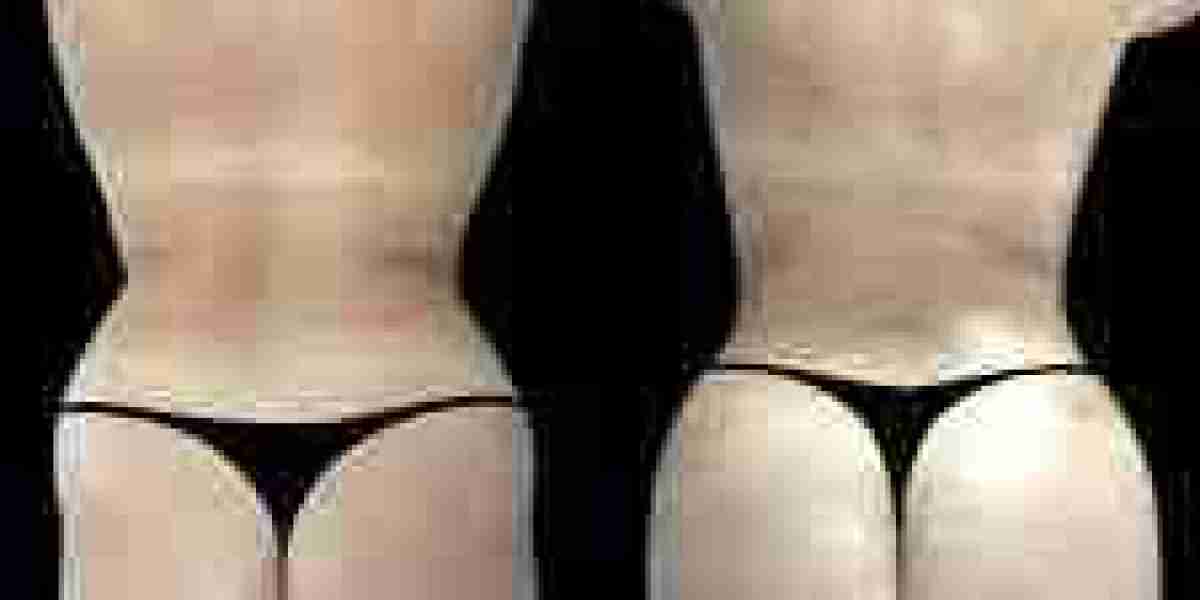
1. Understanding Butt Fat Transfer in Dubai and Its Main Purpose
The purpose of Butt Fat transfer in dubai is to use fat from one area of the body to change the volume and contour of the buttocks. Unlike procedures that use artificial implants, fat transfer uses tissue taken from the patient's own body.
The procedure usually has three main stages:
Fat collection: Fat is removed from selected areas through liposuction.
Fat preparation: The collected fat is processed to separate usable fat from unwanted fluids and other material.
Fat placement: Prepared fat is carefully transferred into suitable areas of the buttocks.
The amount of fat that can be transferred depends on several factors, including the available donor fat, body structure, tissue condition, and safety considerations. Not all transferred fat survives permanently. Some of it is naturally absorbed by the body during healing.
2. Modern Surgical Techniques Used in Butt Fat Transfer
Surgical techniques play an important role in the overall procedure. The method used to collect, prepare, and place fat can influence the treatment process and the final contour.
Liposuction is commonly used to collect fat from areas such as the abdomen, waist, hips, or thighs. Small incisions allow a thin cannula to enter the treatment area. The cannula is connected to a suction system that removes fat.
The collected fat is then prepared before transfer. The surgeon uses suitable instruments and controlled techniques to distribute the fat in small amounts across the intended treatment areas.
For buttock fat transfer, an important safety requirement is that fat must be placed only in the subcutaneous tissue, which is the layer beneath the skin and above the gluteal muscles. Fat must never be injected into the gluteal muscles. Intramuscular injection can increase the risk of serious fat embolism.
3. How Fat Transfer from Stomach to Buttocks Works
One commonly discussed technique is fat transfer from stomach to buttocks. This approach uses fat collected from the abdominal area and transfers suitable prepared fat to the buttocks.
The abdomen may contain areas of excess fat that can be considered for collection. However, the amount available varies from person to person. The body must also have enough suitable donor fat to support the planned procedure.
The general process includes:
Reviewing the abdominal area and other possible donor sites.
Planning the amount and location of fat collection.
Removing fat using liposuction.
Processing the collected material.
Transferring suitable fat into the subcutaneous layer of the buttocks.
The aim is to improve body contour while adding volume to the buttocks. It is important to understand that removing abdominal fat does not automatically create a specific body shape. Individual anatomy, skin quality, and healing all influence the outcome.
4. Fat Transfer from Stomach to Butt: Understanding Fat Collection Technology
The phrase fat transfer from stomach to butt describes a process that involves two different treatment areas. Technology used during fat collection is designed to help remove fat while managing the surrounding tissues.
Different liposuction systems may use manual suction, powered equipment, or other specialized methods. The choice depends on the treatment plan and the patient's needs.
During fat collection, the cannula moves through the fatty tissue to remove suitable material. Careful technique is important because excessive or uneven fat removal may create contour irregularities.
Modern equipment may offer more controlled suction, but the quality of the procedure also depends on planning, anatomical knowledge, sterile conditions, and careful handling of the collected fat.
5. Fat Processing Methods and Their Importance
After collection, fat must be prepared before it is transferred. The collected material may contain fat cells, fluid, blood, and other unwanted components.
Processing methods are used to separate the suitable fat from these materials. Common approaches include controlled settling, washing, filtration, and centrifugation, depending on the technique and equipment being used.
The purpose of processing is to prepare the fat for transfer while limiting unnecessary handling and contamination.
Fat cells are living tissue, so careful handling matters. Excessive pressure, unsuitable processing, or poor storage conditions may affect cell quality. Even when fat is collected and prepared carefully, not every transferred cell survives.
The final volume may therefore change during the healing period.
6. Technology and Safety in Butt Fat Transfer Procedures
Technology can support surgical planning and improve visibility during important stages of treatment. However, safety depends on using appropriate techniques and following strict surgical standards.
One important safety tool in buttock fat transfer is real-time ultrasound guidance during fat injection. Ultrasound can help show the position of the cannula and confirm that fat is being placed in the subcutaneous layer rather than inside the muscle.
This is especially important because injecting fat into or beneath the gluteal muscle can cause fat to enter large blood vessels. A fat embolism can block blood flow and may lead to severe injury or death.
Other important safety measures include:
Careful assessment of the patient's health and medical history.
Appropriate surgical planning.
Sterile equipment and operating conditions.
Controlled fat collection and injection.
Subcutaneous-only fat placement.
Real-time ultrasound guidance during injection.
Suitable monitoring during and after surgery.
No machine or technique makes surgery completely risk-free. Understanding the safety process is an essential part of making an informed decision.
7. Understanding Best Plastic Surgeon in Dubai as a Search Term
People researching cosmetic procedures may come across the phrase Best Plastic surgeon in dubai when looking for information about surgical techniques and treatment standards.
Rather than relying on a title or advertising phrase, it is useful to understand what safe surgical practice involves. Important subjects include professional qualifications, relevant surgical training, experience with the specific procedure, hospital standards, and the use of appropriate safety technology.
For buttock fat transfer, it is particularly important to understand whether subcutaneous-only injection and real-time ultrasound guidance are part of the safety process.
This section is about understanding the search term and the general standards associated with surgery. It does not identify or recommend any individual provider.
8. Best Doctors in Dubai: Understanding General Treatment Standards
The phrase Best Doctors in dubai is often used in online searches about cosmetic treatments. However, search rankings and promotional descriptions do not independently establish medical quality.
When researching any surgical procedure, useful topics include professional registration, relevant qualifications, surgical experience, informed consent, and the availability of appropriate emergency support.
Patients should also receive clear explanations of possible complications, realistic outcomes, and recovery requirements before making a decision.
Good medical information should explain both the possible benefits and the limitations of a procedure. It should never promise perfect results or suggest that complications cannot happen.
9. Best Butt Fat Transfer Surgeon in Dubai: What Surgical Technique Means
The phrase Best butt fat transfer surgeon in Dubai is commonly associated with searches about buttock enhancement. From an educational perspective, it is important to understand that this procedure requires knowledge of fat anatomy, liposuction, tissue handling, and the blood vessels surrounding the buttocks.
The technique must be planned around the patient's anatomy. Fat should be transferred in controlled amounts into the subcutaneous tissue, never into the gluteal muscle.
Real-time ultrasound guidance is an important safety measure because it helps verify the cannula's location during injection.
A safe approach also includes appropriate patient selection, clear communication, and a plan for managing complications.
10. Best Butt Fat Transfer Surgeons in Dubai and Modern Surgical Standards
People may also search for Best butt fat transfer surgeons in Dubai when comparing information about different surgical approaches.
It is useful to look beyond promotional language and understand the technical standards involved. These include careful donor-area assessment, controlled fat harvesting, appropriate processing, and safe injection techniques.
The procedure should not be judged only by the amount of fat transferred. Placing more fat does not necessarily produce a better or safer result. The available tissue, blood supply, anatomy, and safety limits all matter.
A realistic treatment plan should prioritize patient safety rather than promising a particular size or shape.
11. Fat Transfer Clinic in Dubai: Understanding Equipment and Facility Standards
The search phrase fat transfer clinic in dubai may appear when people research where cosmetic procedures are performed.
Although this article does not provide information about individual facilities, it is helpful to understand the general standards required for surgical care. A suitable surgical environment should have appropriate sterile equipment, trained operating staff, patient monitoring, and access to emergency medical support.
Technology should be used as part of a complete safety system. Equipment alone cannot replace proper training, careful surgical technique, and suitable patient assessment.
People researching surgery should understand where the procedure will take place and what medical support is available before, during, and after treatment.
12. Butt Fat Transfer Cost in Dubai: Factors That Affect Pricing
The Butt Fat transfer cost in dubai can vary because every treatment plan is different. There is no single price that applies to all patients.
Factors that may influence the total cost include:
The number of areas from which fat will be collected.
The amount of liposuction required.
The complexity of the surgical plan.
Operating room and anesthesia expenses.
Medical tests and preoperative assessments.
Postoperative monitoring and follow-up care.
The equipment and safety measures used.
It is important to understand exactly what a quoted price includes. A low price should not be the only reason for choosing a surgical procedure. Safety standards, appropriate medical support, and clear information about possible complications are essential considerations.
13. Understanding Butt Fat Transfer Cost and Treatment Planning
The phrase butt fat transfer cost is often used when comparing the financial side of the procedure.
A complete cost discussion should cover more than the operation itself. Patients may also need to consider medical assessments, medications, compression garments, travel, time away from work, and follow-up appointments.
The amount of fat available and the complexity of the procedure may also affect the treatment plan.
It is important to avoid choosing a procedure based only on a package price. The planned technique, safety arrangements, and recovery support should be clearly explained before any financial commitment.
14. Butt Fat Transfer Results: What Can Influence the Final Shape?
The expected butt fat transfer results depend on several factors, including body structure, the amount of fat transferred, fat-cell survival, skin elasticity, and the healing process.
Some of the transferred fat is naturally absorbed by the body. The amount that remains varies between individuals, so the final shape cannot be predicted with complete certainty.
Swelling can also make the buttocks look larger immediately after surgery. As swelling decreases and the tissues heal, the appearance changes.
A realistic understanding of results includes knowing that:
Some transferred fat may not survive.
The final volume can be smaller than the early postoperative appearance.
Unevenness or contour changes may occur.
Additional treatment may sometimes be discussed, but it is not guaranteed to be suitable.
No procedure can promise perfect symmetry.
Before surgery, it is important to discuss realistic expectations and possible complications.
15. Butt Fat Transfer Recovery: Healing After Surgery
Butt fat transfer recovery is an important part of the overall treatment process. The body needs time to heal after both liposuction and fat placement.
Some swelling, bruising, tenderness, and discomfort may occur during the early recovery period. The exact recovery experience varies depending on the extent of surgery and individual healing.
Postoperative instructions may include avoiding direct pressure on the buttocks for a period, using recommended support garments, keeping surgical areas clean, and attending follow-up appointments.
Patients should follow their own medical team's instructions rather than relying on general recovery timelines. They should also ask when it is appropriate to return to driving, exercise, work, and normal daily activities.
Chest pain, shortness of breath, fainting, severe or worsening pain, or unusual swelling after surgery require immediate medical attention. These symptoms should never be ignored.
16. Dr. Perfect Celebrity and Perfect Doctors Clinic: Understanding Branded Search Terms
The terms Dr. perfect celebrity and Perfect Doctors Clinic may appear in online searches related to cosmetic treatment. In this article, they are included only as search phrases, not as endorsements, recommendations, or statements about any particular person or facility.
When researching any cosmetic procedure, it is more useful to focus on reliable medical information, surgical safety, realistic expectations, and the risks involved than on promotional language.
17. Butt Fat Transplant: Important Questions About Long-Term Outcomes
A butt fat transplant uses the patient's own fat to change the shape and volume of the buttocks. Although the procedure can produce changes in body contour, the long-term outcome depends on fat survival and individual healing.
People considering this procedure should understand that transferred fat behaves like other living fat tissue. It can change with weight gain or weight loss. Significant changes in body weight may affect the treated areas and the overall body shape.
It is also important to understand that fat transfer is still major surgery. Possible complications include infection, bleeding, fluid collections, irregular contours, fat necrosis, blood clots, and fat embolism. Some complications can be life-threatening.
A careful decision requires a clear understanding of both the intended outcome and the possible risks.
Conclusion
Understanding surgical techniques and technology is an important step when researching buttock fat transfer. The procedure involves fat collection, preparation, and careful placement into the subcutaneous tissue of the buttocks.
Modern equipment and real-time ultrasound guidance can support safer surgical practice, but they cannot eliminate all risks. Proper patient assessment, careful technique, sterile conditions, and appropriate recovery support remain essential.
Anyone considering butt fat transfer in dubai should take time to understand the procedure, ask clear questions about safety, and develop realistic expectations. The most important priority should always be informed decision-making and patient safety rather than a promised shape, size, or result.



