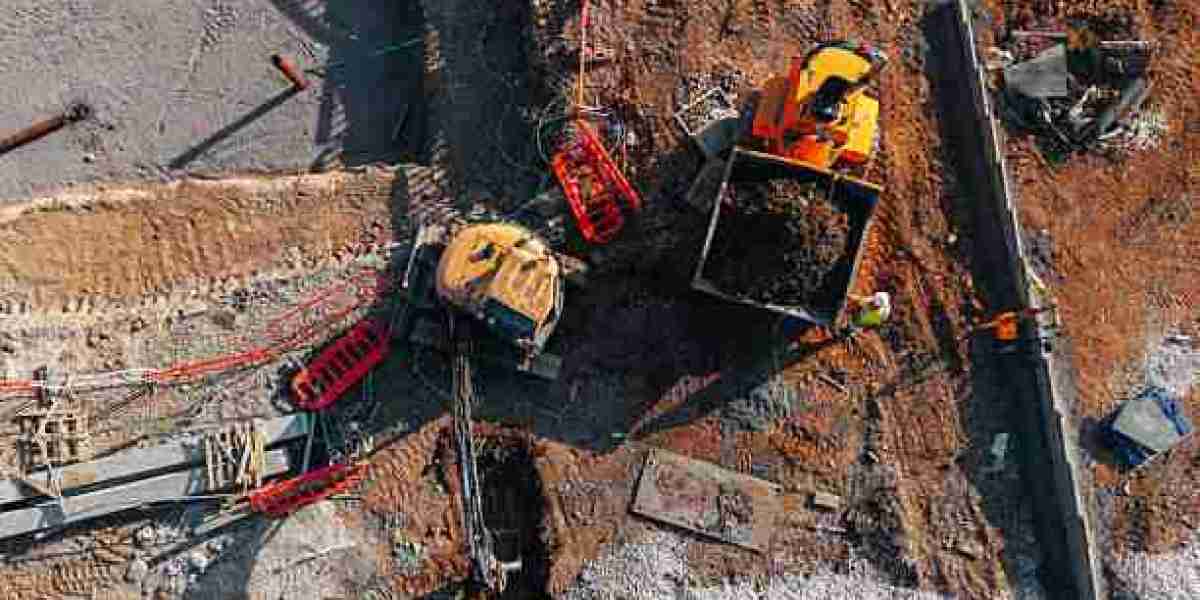
Most people focus on the exciting stuff: floor plans, finishes, timelines. But the work that happens before a single wall goes up? That's where projects quietly fall apart. Skipping steps or making rushed calls during site prep can mean flooded foundations, failed inspections, and bills that balloon fast. If you're planning any kind of construction project in central Ohio, it's worth slowing down before the earthmovers show up. Getting Site Preparation in Delaware OH right from the start saves a lot of grief later, and these five mistakes are the ones I see come up again and again.
Skipping the Soil and Geotechnical Assessment
Here's the thing about soil: it doesn't look dangerous. It just looks like dirt. But ground that feels solid underfoot can be a mix of fill, clay pockets, and buried organic material that shifts and settles once you put load on it. A geotechnical assessment tells you what you're actually working with before grading starts. Without it, you're guessing.
Foundation settlement is one of the most expensive problems a property owner can face. Walls crack. Floors slope. Doors stop closing right. All of that often traces back to soil that wasn't tested or graded correctly at the start. A soil report isn't glamorous, but it's the kind of thing that protects your investment for decades. Don't skip it to save a few hundred dollars up front.
According to the Federal Highway Administration's geotechnical engineering resources , proper subsurface investigation is a baseline requirement for any project where ground stability affects structural performance. That standard applies to residential and commercial buildings alike, not just highways.
Neglecting Drainage Planning During Grading
Drainage is one of those things nobody thinks about until water is pooling in the wrong place. By then, the grading is done, concrete is poured, and fixing it costs real money. Good drainage planning has to happen before grading, not after.
The slope and grade of your lot determine where water goes when it rains. Get it wrong and you end up with erosion cutting through your yard, water pushing against your foundation, or runoff crossing onto a neighbor's property, which can become a legal headache on top of a physical one. A contractor who understands drainage doesn't just move dirt. They think about where every inch of water is going to end up in a hard rain. That's the difference between a site that holds up and one that creates problems every spring.
This is especially true in Delaware County, where the soil composition and seasonal rain patterns can make drainage complicated if you're not paying attention. Pretty common mistake to grade a site flat and call it done. It's not done.
Failing to Pull Permits and Locate Utilities First
No one loves paperwork. But starting earthwork without the right permits is the kind of shortcut that stops a project cold, sometimes permanently. Stop-work orders are real. Fines are real. And if you damage a buried utility line because you didn't call for a locate, you're looking at repair costs, liability, and potentially serious safety issues.
Ohio law requires utility locates before any digging. It's not optional. Most contractors know this, but some property owners try to push timelines and skip the wait. That's a mistake every time. The locate process through Ohio 811 is free and usually takes a few business days. It's worth every hour of waiting.
Permits also protect you. They create a paper trail that shows the work was inspected and done to code. When you sell the property or refinance, that documentation matters. Work done without permits can complicate a sale, trigger mandatory remediation, and cost far more to fix than the permit ever would have.
Underestimating Clearing and Grubbing Requirements
Clearing trees is the obvious part. What people miss is what's left behind. Root systems from large trees can extend well beyond the drip line, and if those roots are left in the ground to decompose, you get voids. Voids under a slab or foundation cause settling. Same goes for buried debris, old stumps, and demolition rubble that previous owners may have covered over instead of removed.
Real grubbing work means removing root masses, organic material, and anything else that doesn't belong in load-bearing ground. It takes time and the right equipment. Cutting corners here is one of the more invisible mistakes because the consequences don't show up right away. They show up two or three years later when the ground starts to shift. By then, you've already built on top of it.
If you're working with a reputable provider of Site Preparation Services in Delaware OH, they'll do a proper site walk before quoting the job and flag anything that needs to come out. If a contractor doesn't ask about existing trees, old structures, or buried material, that's a red flag worth paying attention to.
Choosing a Contractor Based on Price Alone
Low bids are tempting. Especially on a big project where every dollar feels like it counts. But site prep is one area where the cheapest option often ends up being the most expensive one by the time the job is done.
Site-specific conditions matter a lot. A contractor who's done plenty of flat, sandy lots may not have real experience with sloped terrain, clay-heavy soil, or sites near wetlands. Delaware County has a range of conditions depending on where your property sits, and the contractor needs to understand what they're walking into. Civitello Construction Services is one example of a local operation that focuses on site-specific work in this area, which matters when the conditions on your lot aren't straightforward.
Ask contractors about projects similar to yours. Ask what challenges they ran into and how they handled them. A contractor who can give you specific, honest answers is a better bet than one who just quotes you a number and tells you it'll be fine. Price is part of the decision. It shouldn't be the whole decision.
Also worth checking: are they familiar with local grading ordinances and drainage requirements for your municipality? Site Preparation Services in Delaware OH aren't one-size-fits-all, and a contractor who treats them that way is one to avoid.
Frequently Asked Questions
How long does site preparation typically take?
It depends on the size and condition of the site. A simple residential lot might take a few days. A larger plot with heavy vegetation, poor soil, or significant grading needs can take a couple of weeks or more. Your contractor should give you a realistic timeline after a proper site assessment, not before.
Do I need a geotechnical report for a small residential build?
In many cases, yes. Even for a standard home, soil conditions can vary enough to cause real problems if you don't check. Some lenders and local building departments actually require a soil report before issuing permits. It's worth asking your contractor and your local building office before assuming you don't need one.
What's the difference between clearing and grubbing?
Clearing is removing above-ground vegetation, trees, and brush. Grubbing goes deeper, taking out stumps, root systems, and buried organic material. Both are usually needed before grading starts. Doing only clearing and skipping grubbing is a common source of ground instability later.
What happens if I start digging without a utility locate?
You could hit a gas line, electrical conduit, water main, or fiber optic cable. That means repair costs, possible injuries, service interruptions for your neighbors, and potential purposes. Ohio 811 makes the locate process free and simple, so there's really no good reason to skip it.
How do I know if a site prep contractor has the right experience for my property?
Ask directly. Describe your site, including slope, soil type, nearby water features, and existing vegetation, and see how they respond. A contractor with real experience will ask follow-up questions and talk through the specific challenges. One who just quotes a price without asking much probably hasn't thought it through.
Site Preparation in Delaware OH done right isn't flashy work, but it's the foundation everything else rests on. Getting these details right at the start means fewer surprises, fewer delays, and a build that actually holds up the way it should.