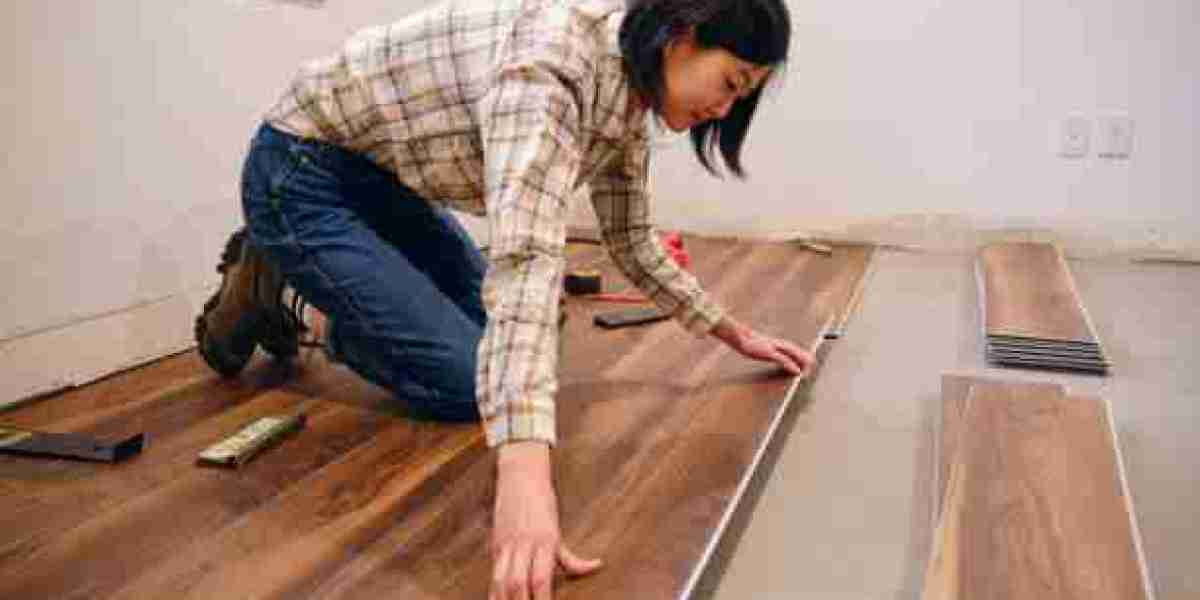
New floors are exciting. You pick the material, fall in love with the color, and can already picture how the room will look. But a lot of homeowners hit serious problems six months or a year after installation, problems that trace straight back to decisions made before the first plank was ever laid. Warped boards, gaps along the walls, tiles that crack, or floors that look worn out too soon. These aren't random bad luck. Most of the time, they're predictable mistakes. If you're planning a flooring project and want to get it right, working with quality Flooring Contractor Services in Aliso Viejo CA can make a real difference, but knowing what to watch out for on your end matters just as much.
Mistake 1: Skipping the Subfloor
Here's the thing people don't realize until it's too late. Whatever imperfections are hiding in your subfloor will eventually show through your new flooring. A small hump, a soft spot, a section that flexes underfoot. These don't disappear. They telegraph upward through vinyl, hardwood, tile, pretty much anything. And once your new floor is down, fixing the subfloor means tearing everything back up.
Good installers always inspect and prep the subfloor before anything else goes down. That means checking for moisture, squeaks, soft areas, and levelness. It takes time. It might add a little to the budget. But skipping it is one of the most expensive shortcuts a homeowner can let a contractor take.
Mistake 2: Choosing Material Based on Looks Alone
Walk into any flooring showroom and everything looks beautiful. That wide-plank white oak. That polished porcelain. That hand-scraped hickory. Hard not to just point at what you love and say yes. But looks can't tell you how a material performs in your specific space, and that's where people get into trouble.
Moisture is the big one. Solid hardwood in a basement or a bathroom is asking for problems. Even in Southern California kitchens, steam and spills add up. High foot traffic, dogs, kids running around, all of that matters when you're picking between hardwood, engineered wood, luxury vinyl plank, or tile. The different categories of flooring materials each have real performance trade-offs that are worth understanding before you commit. Ask your contractor which material actually fits the room's conditions, not just which one you like best.
Mistake 3: Not Acclimating Wood Before Installation
This one surprises a lot of people. Wood is a living material, even after it's milled and finished. It expands and contracts based on the humidity in your home. If you bring in hardwood or engineered wood planks straight from the warehouse and install them the same day, they haven't had time to adjust to your home's moisture level. So they adjust afterwards. And that means warping, gapping, or buckling once they do.
Most manufacturers recommend letting wood flooring sit in the room where it'll be installed for at least 48 to 72 hours. Some species need longer. Pretty simple step. But contractors who are rushing a job or padding their schedule sometimes skip it entirely. Worth asking about this before work starts, not after you notice the gaps.
Mistake 4: Ordering Too Little Material
Underordering is more common than you'd think, and it creates a specific kind of headache. You run short. You go back to order more. And the new batch comes from a different dye lot.
Dye lots matter a lot with flooring. Even the same product, same name, same SKU can look noticeably different from one production run to the next. Slight color shifts, texture variations. Once it's on your floor next to the original batch, it's obvious. Most flooring pros recommend ordering 10 percent more than your square footage, sometimes 15 percent if the room has lots of angles or diagonal layouts. Measure carefully, account for waste, and don't assume you can get more of the exact same material in three weeks. You might not be able to.
Mistake 5: Hiring Based on Price Alone
The lowest bid is tempting. Especially when flooring projects can run into the thousands. But cheap installation is often where the real cost hides. A contractor who cuts corners on subfloor prep, skips acclimation, uses the wrong adhesive, or doesn't pull the right permits can leave you with a floor that fails in two years instead of twenty.
When you're vetting contractors, ask about their installation warranty. Ask how they handle subfloor issues if they find problems mid-job. Ask for references from similar projects. A Flooring Contractor in Aliso Viejo CA who's done good work will have no problem answering those questions. If you get vague answers or pushback, that tells you something. A local company like Innovative Interiors is one example of a business where you can actually talk to someone accountable, check real reviews, and know who to call if something goes wrong.
Price matters, obviously. But the right question isn't "who's cheapest?" It's "who's going to stand behind this work?" A Flooring Contractor in Aliso Viejo CA with a solid track record and clear warranty terms is worth paying a bit more for upfront.
A Few More Things Worth Knowing
Beyond the five big mistakes, there are a handful of smaller things that trip people up. Transition strips between rooms. Baseboards and quarter-round. Door clearances once the new floor height is added. These feel like afterthoughts but they affect how finished the whole project looks. Good contractors plan for them from the start.
Also, don't forget about underlayment. Some flooring products include it, some don't, and using the wrong type or skipping it can affect how the floor feels underfoot, how much noise it makes, and even how your warranty holds up. Worth a conversation with your installer before materials are ordered.
If you're planning a full replacement, Flooring Contractor Services in Aliso Viejo CA that includes project planning and a pre-install walkthrough are worth seeking out. That walkthrough is where most of these mistakes get caught before they become expensive.
Frequently Asked Questions
How do I know if my subfloor needs to be replaced before new flooring goes in?
Walk the existing floor and listen for squeaks or feel for soft, spongy spots. Those are signs of moisture damage or structural issues. A good installer will assess this before work starts and should show you any problem areas they find. Don't let anyone skip this step.
What's the best flooring for a home with dogs or heavy foot traffic?
Luxury vinyl plank is a solid choice for high-traffic or pet-heavy homes. It's water-resistant, scratch-resistant, and comfortable underfoot. Tile works well too, although it can feel cold and hard. Solid hardwood looks great but tends to show scratches more and doesn't handle moisture as well. Talk honestly with your contractor about your household's reality.
How long does wood flooring need to acclimate before installation?
Most manufacturers say 48 to 72 hours minimum. Some harder species or thicker planks may need up to a week. The wood should sit in the actual room where it'll be installed, not just in the house. Temperature and humidity in that specific space are what matters.
Why does the color of my replacement flooring look different from the original?
Different dye lots. Even the same product can vary slightly between production runs. This is why ordering extra material upfront is so important. If you're patching or extending an existing floor, bring a sample of your current flooring to the showroom so you can compare as closely as possible.
What should I look for in a flooring contractor's warranty?
Look for a warranty written that covers the installation work itself, separate from the manufacturer's product warranty. Find out how long it lasts, what voids it, and who you contact if there's a problem. A contractor who won't put their warranty in writing is a contractor worth skipping.
Getting floors right the first time saves real money and a lot of frustration. Ask the right questions early, don't rush the prep work, and choose your contractor based on accountability rather than just the number on their quote.