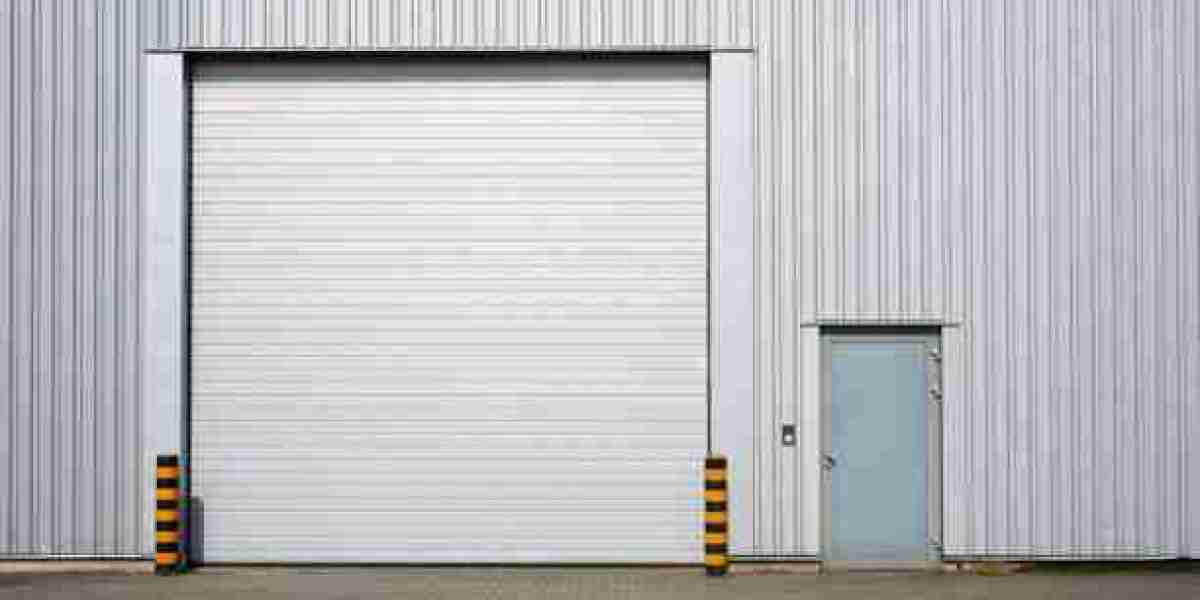
Replacing or buying a new commercial garage door sounds straightforward. You measure the opening, pick a door, write a check. Done. But that's where a lot of business owners get burned, and the problems don't always show up right away. Sometimes it's a door that breaks down after 18 months of heavy use. Sometimes it's a heating bill that jumps $400 a month because nobody thought about insulation. If you're looking at a Commercial Garage Door in Pottstown PA, here are five mistakes worth knowing about before you commit to anything.
Picking the Wrong Door Type for the Job
Not all commercial doors are built for the same situation. Roll-up doors, sectional doors, and high-speed doors all have different strengths, and choosing based on looks or price alone is a fast way to end up with the wrong fit. A sectional door works well for loading docks with standard clearance. A high-speed door makes sense in facilities where forklifts are going in and out constantly and you can't afford the heat or cold escaping every time it opens.
Think about your traffic pattern first. How many times a day does that door move? What's the clearance situation above the opening? Is there a lot of wind or weather exposure? These aren't complicated questions, but skipping them leads to real problems. A roll-up door installed in a high-cycle environment will wear out faster than it should, and you'll be back shopping for another one sooner than you planned.
Underestimating Cycle-Rate Ratings
This one catches a lot of people off guard. Every commercial door comes with a cycle-rate rating, which is basically how many open-and-close cycles the door is built to handle before parts start failing. A door rated for 50,000 cycles sounds like a lot. But if your facility runs that door 30 times a day, you'll hit 50,000 cycles in under five years.
Heavy commercial traffic demands a door rated for it. Warehouses, distribution centers, busy repair shops, these environments chew through low-rated hardware fast. And when a door fails prematurely, it's not just the replacement cost. It's the downtime, the emergency service call, and sometimes the safety risk. Match the cycle rating to your actual usage, not your optimistic guess about usage.
You can check out how garage door mechanisms and construction standards are categorized if you want a better feel for what separates light-duty from heavy-duty hardware. It's worth a few minutes of reading before you spend a few thousand dollars.
Skipping the Professional Site Assessment
Ordering a door based on a tape measure and a guess is one of the most common and most expensive mistakes out there. The opening size is just one piece of the puzzle. You also need to know about the structural framing around the opening, the floor levelness, the headroom and side room available for the hardware, and whether the existing setup can handle the weight and mechanism of the door you want.
I've seen situations where a business ordered a door that was technically the right width and height, but the surrounding structure wasn't set up to support the track system properly. That leads to a reinstall, extra labor costs, and sometimes structural modifications that nobody budgeted for. A proper site assessment catches all of that upfront. It's not glamorous, but it saves money.
Ollis Entry is one option people in the area use for this kind of pre-purchase assessment and installation work, especially when the facility has unusual clearance requirements or older framing that needs evaluation before any hardware goes in.
Focusing Only on the Sticker Price
The upfront cost of a commercial door is only part of what you'll actually spend. Total cost of ownership includes maintenance, energy loss, parts availability, and how long the thing actually lasts under your specific conditions. A cheaper door might save you $1,500 today and cost you $4,000 over five years in repairs, energy waste, and early replacement.
Parts availability matters more than most people realize. Some budget door brands use proprietary components that are hard to source and expensive when you can find them. If a spring or panel breaks two years in and the parts take three weeks to ship, your operation is sitting still. Brands with wide parts availability and solid service networks are worth paying more for upfront.
Energy efficiency is another piece that gets ignored. A door that's opened and closed all day in a climate-controlled facility is a constant source of heat or cold air exchange. A more efficient door with better sealing can genuinely affect your utility costs month over month, not just in theory but in practice.
Ignoring Insulation and Weather-Seal Specs
This one tends to hit hardest in facilities that are temperature-controlled, like food storage, pharmaceutical warehouses, auto shops, or any space where HVAC is running constantly. A door's R-value tells you how well it resists heat transfer. Low R-value means more energy loss every time the door is closed, not just when it's open.
Weather seals matter just as much. A door with poor bottom seals and worn side seals lets in drafts, moisture, and pests. In some industries, that's a compliance issue, not just a comfort issue. OSHA and local health codes in certain facility types have specific requirements about environmental controls, and a leaky door can put you on the wrong side of an inspection.
Getting Commercial Garage Door Services in Pottstown PA from a provider who actually checks your insulation specs before recommending a door type makes a real difference. It's not something you want to figure out after the door is already hung and your energy bills start climbing. Ask about R-value, bottom seal type, and how the door handles temperature differentials before you sign anything.
Commercial Garage Door Services in Pottstown PA providers who do this work regularly will usually have strong opinions about which products hold up in the mid-Atlantic climate, where temperature swings between seasons are pretty significant. That local knowledge is actually useful, not just a sales pitch.
And for the record, a Commercial Garage Door in Pottstown PA isn't a one-size-fits-all purchase. The right door for a busy auto body shop is completely different from the right door for a cold-storage facility or a self-storage property. Getting specific about your application before you buy is the whole ballgame.
Frequently Asked Questions
What's the difference between a roll-up and a sectional commercial garage door?
A roll-up door coils into a drum above the opening, which makes it a good fit when headroom is limited. A sectional door folds up in panels along a track and generally requires more overhead space, but it tends to offer better insulation and a tighter seal. The right choice depends on your clearance, usage frequency, and whether insulation is a priority.
How do I know what cycle rating I need?
Count how many times your door opens and closes in a typical day, then multiply that by 365 to get your annual cycle count. From there, you can estimate how many years a given cycle-rated door will last under your actual conditions. Most commercial providers can help you match a door's rating to your real usage pattern.
Is a site assessment really necessary, or can I just order based on measurements?
It's really necessary. Measurements tell you the size of the opening, but they don't tell you anything about the framing condition, available headroom, floor levelness, or whether the structural support can handle the door system you're considering. Skipping the assessment is a common way to end up with fitment problems that cost more to fix than the assessment would have cost.
How much does insulation actually matter for a commercial garage door?
A lot, depending on your facility. If you're running HVAC in a space that has a high-traffic door, even a modest improvement in R-value can reduce energy loss noticeably over a full year. In temperature-sensitive industries, it can also be a regulatory factor, not just an efficiency one. Don't treat R-value as a secondary spec.
What should I ask a commercial door provider before buying?
Ask about the cycle rating relative to your usage, the R-value and seal specs, parts availability for that specific model, and whether they do a site assessment before installation. Also ask how long the installation typically takes and what happens if there are structural surprises once the old door comes out. A provider who answers those questions clearly is one worth working with.